
With their huge jaws and sharp teeth, moray eels are one of the most feared fish in the sea. But is this terrible reputation justified? Let’s take a deep dive into their nature and find out!
Moray eels look a lot like snakes, but they are 100% fish. They are classified as ray-finned fish, which make up 99% of all living fish species, so they’re closer to guppies than any snake! However, like snakes, they have extendable jaws with an wicked twist. They have a second pair of jaws inside their primary jaws that they use to capture prey, just like the xenomorphs in the Alien series!
Like many animals, moray eels are often shy and flee from humans. However, this changes, if they are threatened or enticed with food. Even in aquariums, where they are often handled, they can and do bite people. These bites can be quite painful and may even cut through fingers.
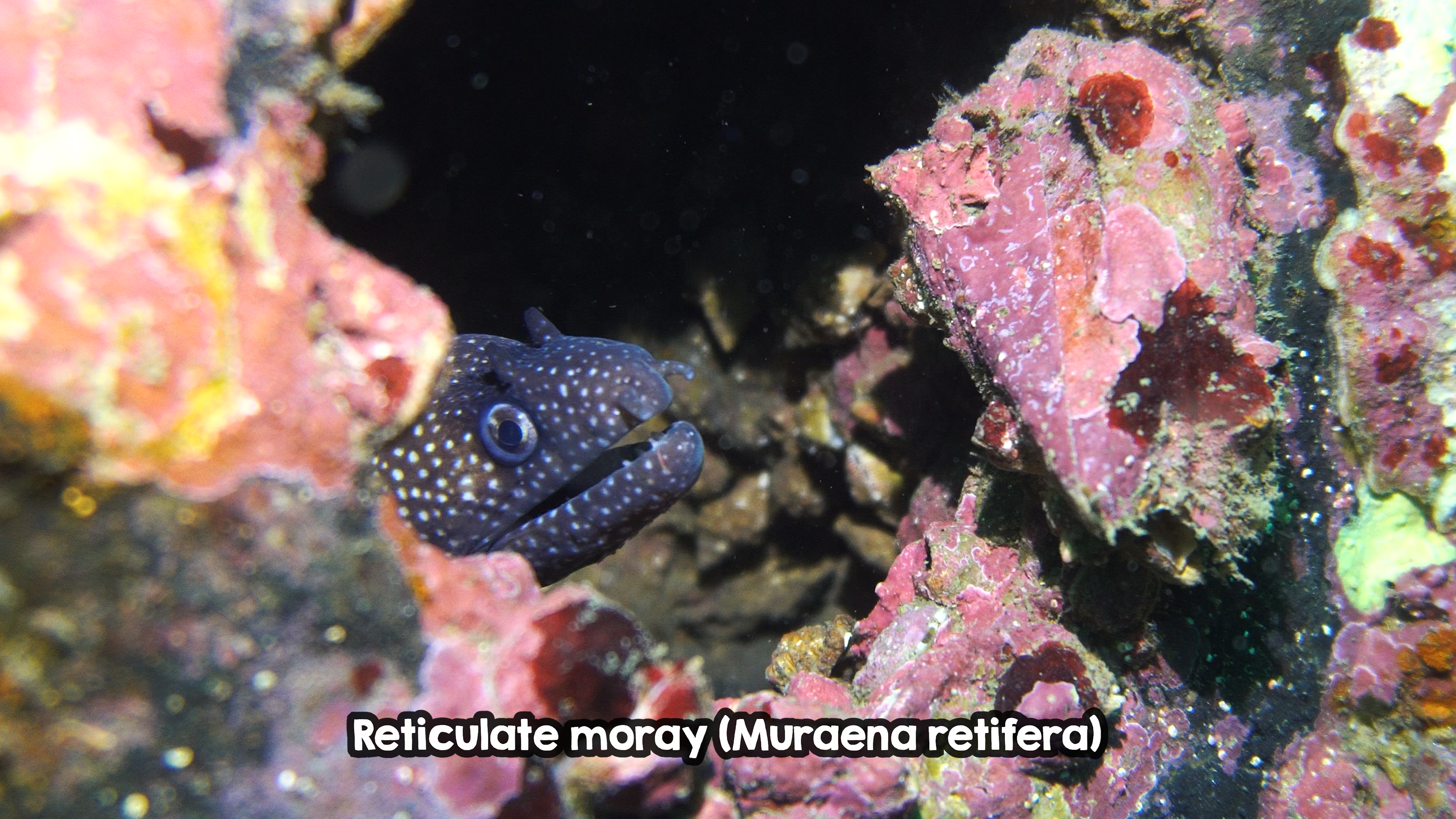
There’s, at least, one documented case of a diver losing his thumb to a moray. But it’s important to note that the diver was hand feeding the moray. Have you ever tried hand feeding a puppy? Now, imagine a puppy with two sets of razor sharp teeth! Ouch!
In another documented case, a green moray bites a diver and quickly lets go. The bite is so gentle that no blood appears to be drawn. This moray was likely telling to diver to “get away” because he was not respecting the eel’s space.
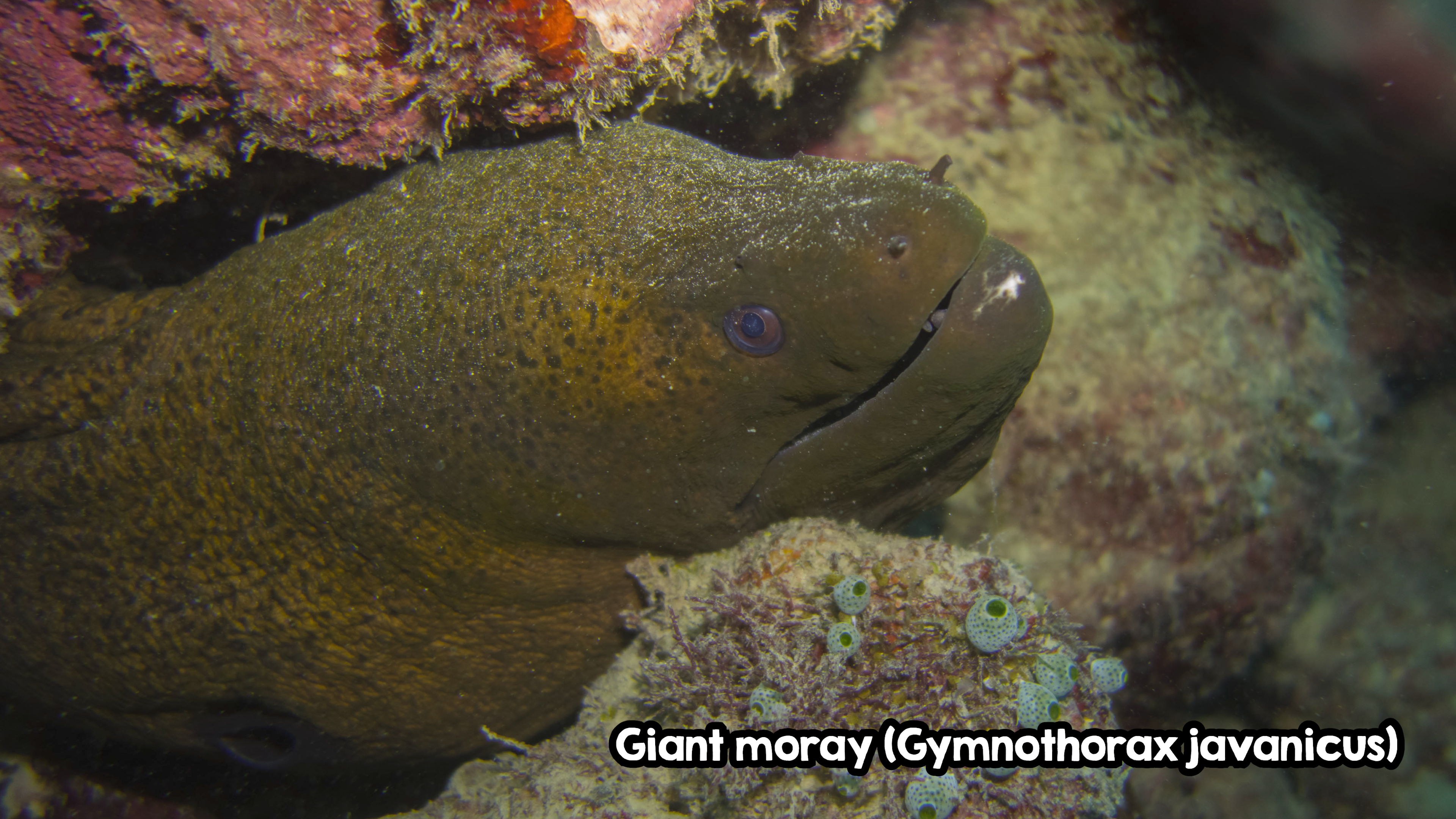
In my scuba diving adventures, I have encountered many species of moray around the world, and none of them have been a threat to me. Here’s a photo I took of the giant moray on the Great Barrier Reef. Growing up to 3 meters (10 feet) and weighing up to 30 kg (66 lbs), it is the largest of all morays. Yet, despite its size, it did not attack or threaten me in any way.
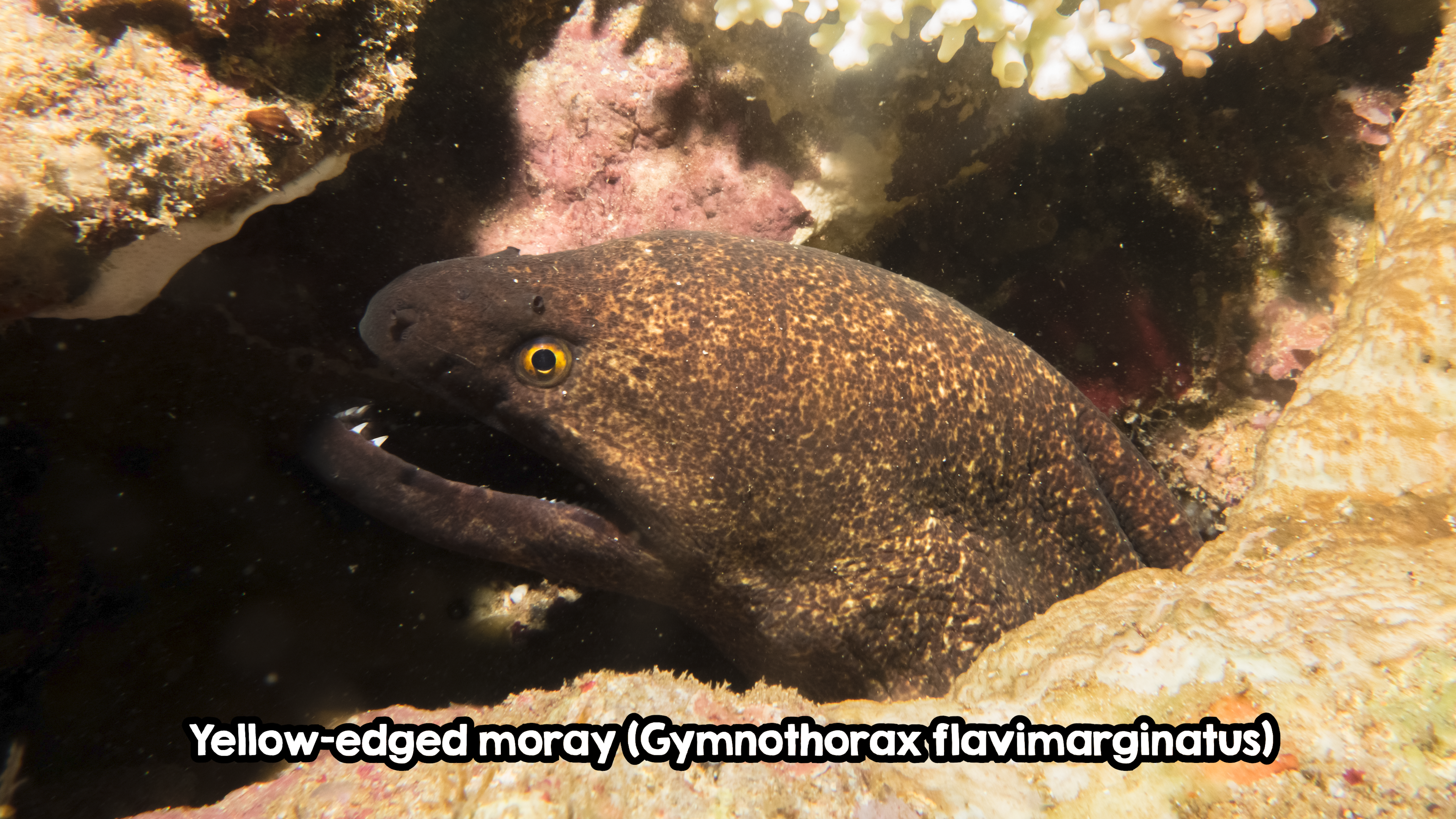
Next up are some morays I encountered in Fiji, around a place called “the arena”, where sharks are fed. These morays did not attack me, although they were very interested in the shark bait.
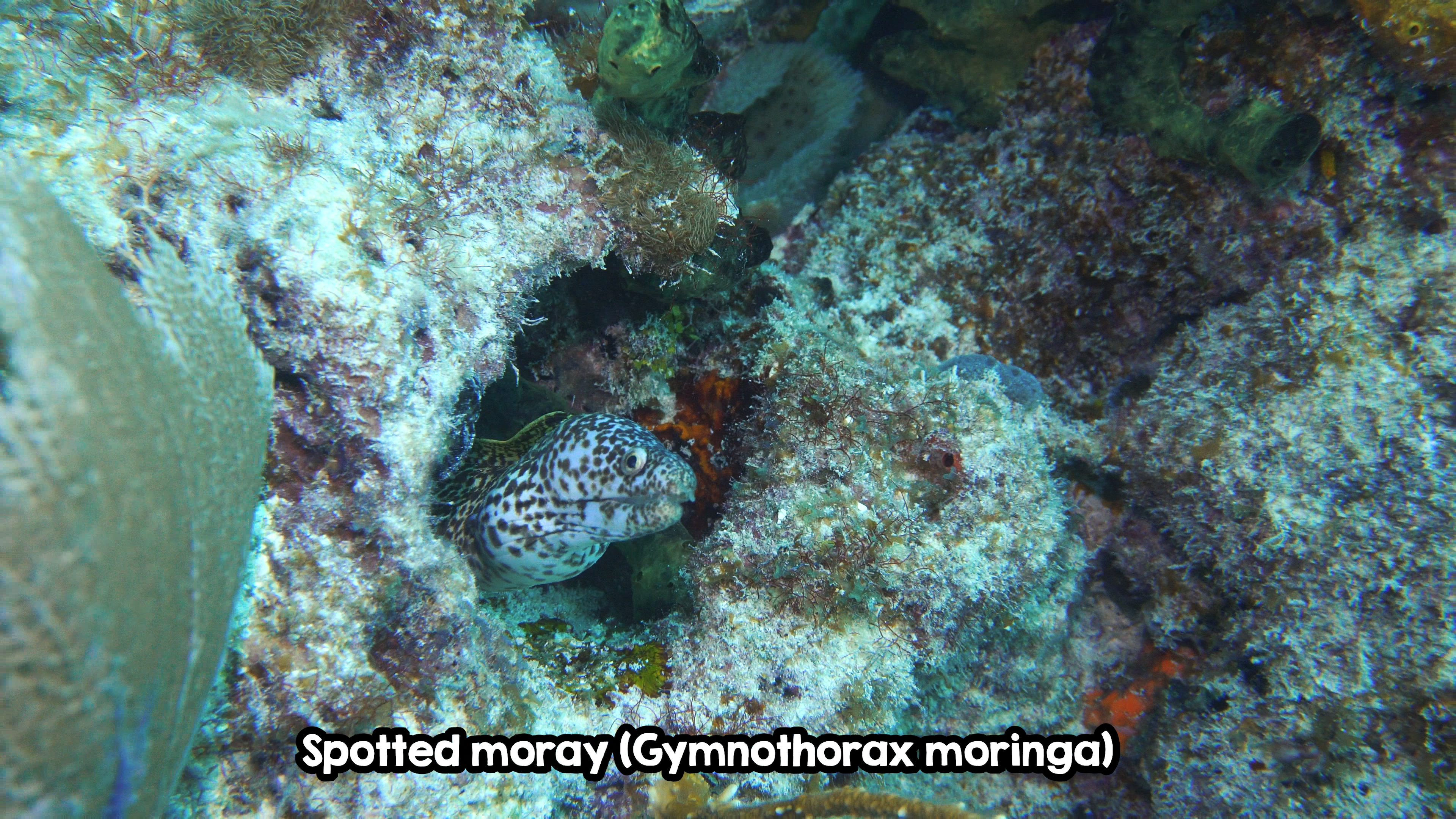
Here are morays I filmed in the Western Atlantic, some in North Carolina, others in Florida. These small moray species stayed holed up in their dens, and they wanted nothing to do with me.
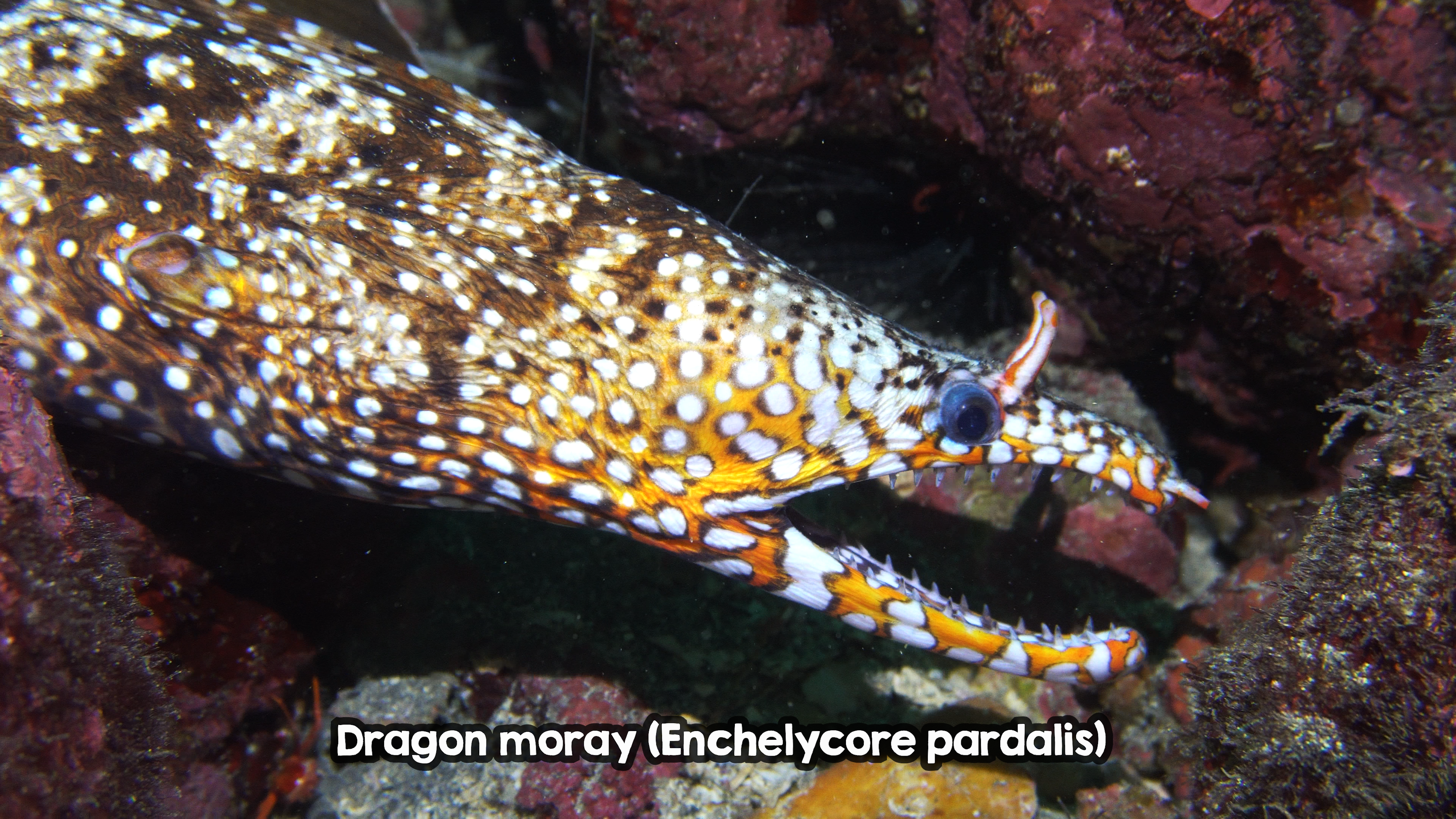
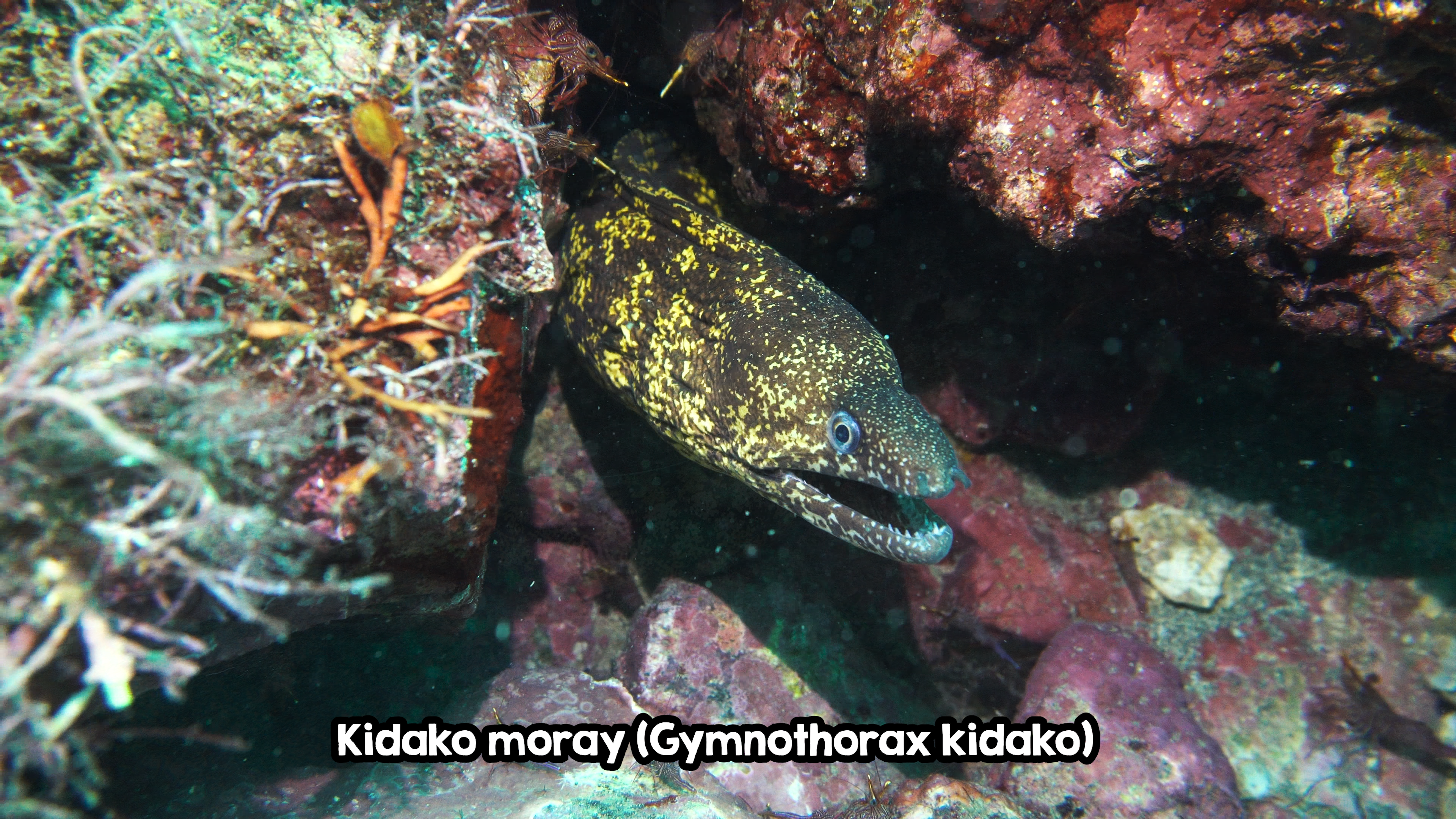
Last but not least, here are morays I encountered in Japan. The Kidako moray and the dragon moray are two common species here. The dragon moray has some seriously scary jaws, but it’s terrified of humans and will hide in the rocks. Meanwhile, the Kidako moray can be a bit more curious and may approach divers. This one pulled up behind me while I wasn’t looking! Even so, it never attacked me.
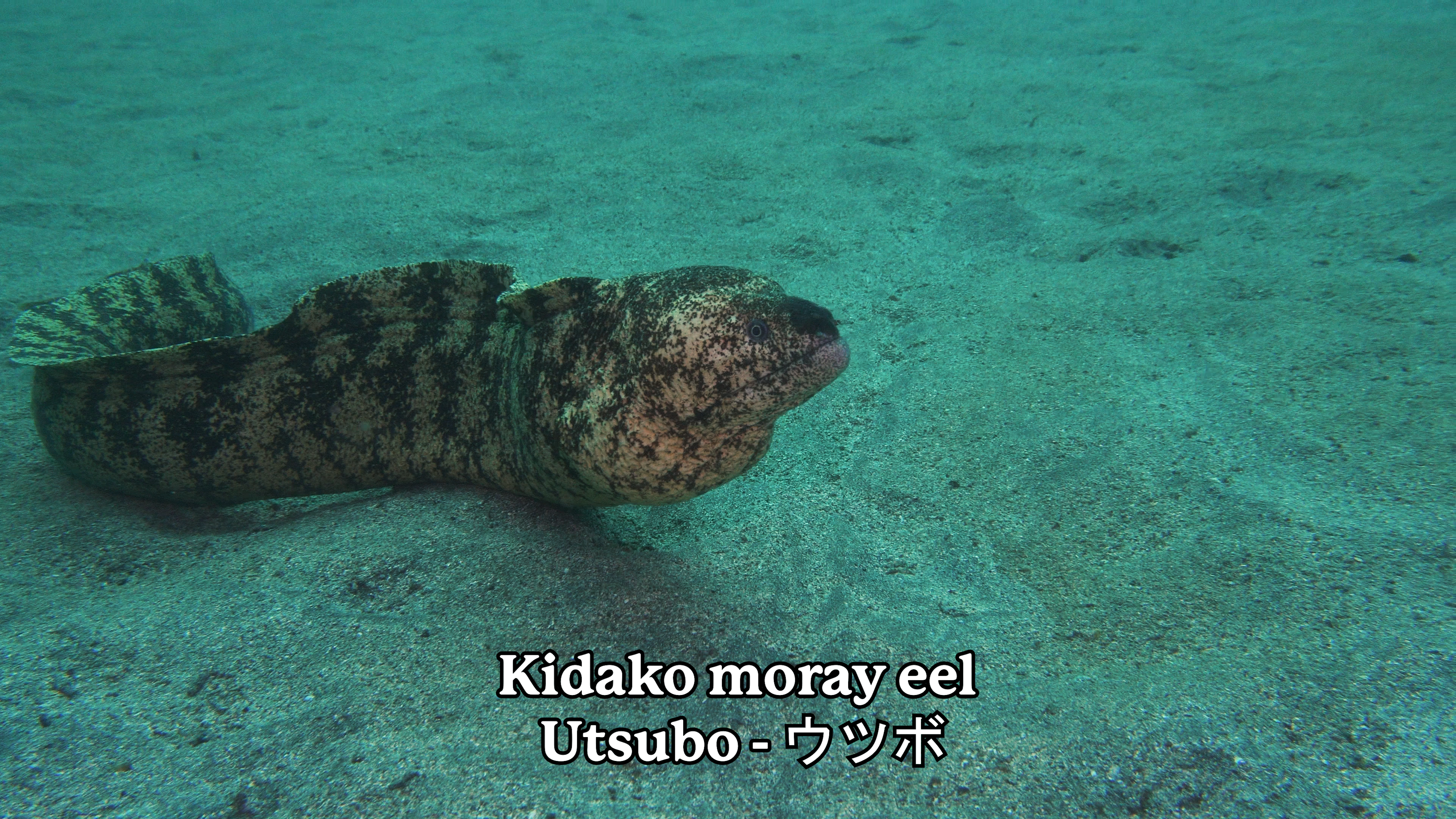
So, despite being in close proximity to moray eels, I have never been attacked. Why? Because I do not harass or feed them. Moray eels are wild, unpredictable animals, but they are only as dangerous as we make them. If you respect their space, and do not feed them, and they will mind their business. I encourage you to view them with fascination, rather than fear.


