
In space, there are planets called “ocean worlds”, which are fully or partially covered in liquid water. Some of these planets may be similar to those depicted in media, such as Kamino in Star Wars, Miller’s Planet in Interstellar, and Planet 4546B in Subnautica, and they may even harbor sea life.
Currently, Earth is the only scientifically confirmed ocean world with a surface covered in 71% water. If you only saw the Pacific Ocean from space, you wouldn’t even know there are continents on the other side. That said, scientists have leads on other potential “water worlds”.
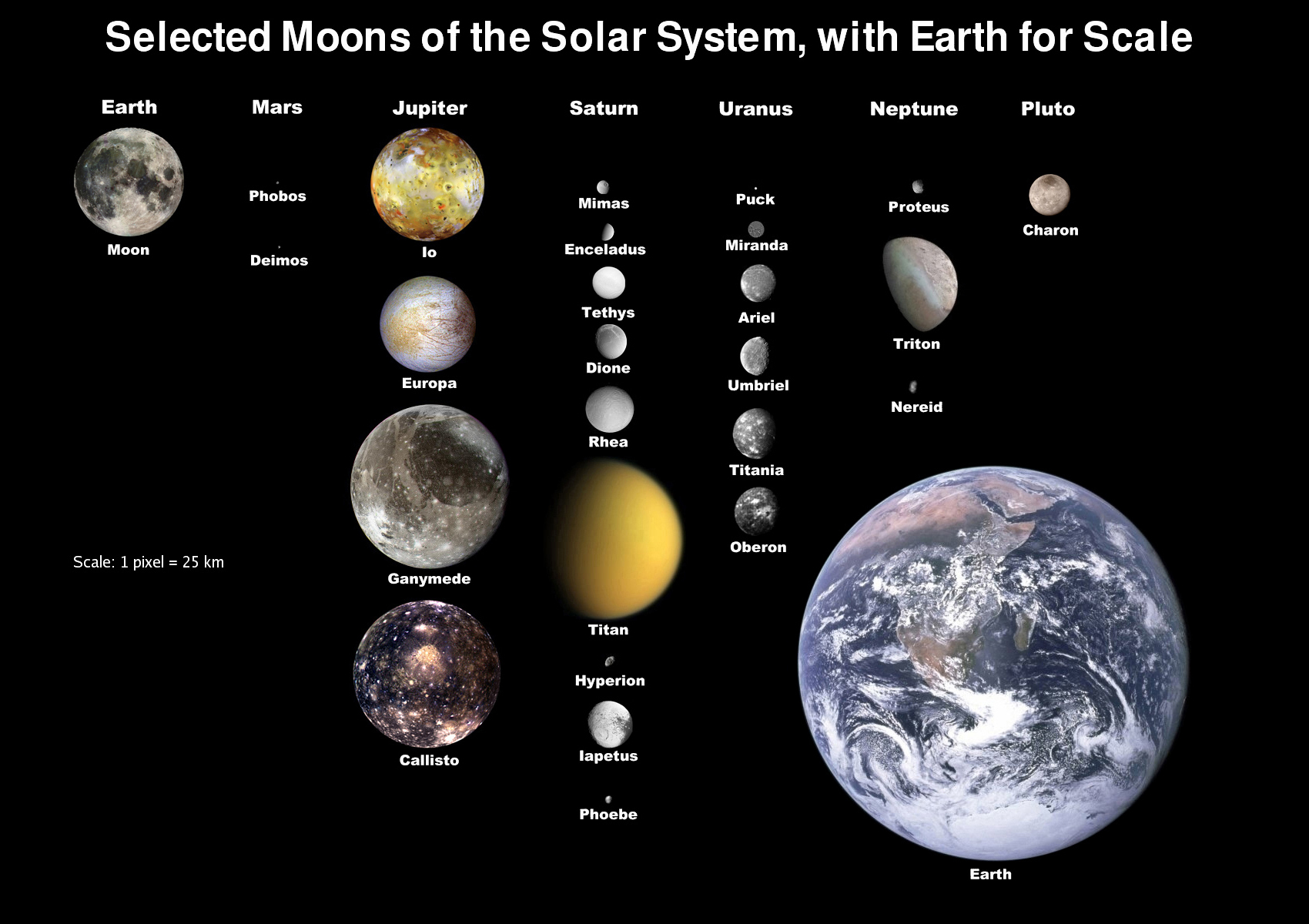
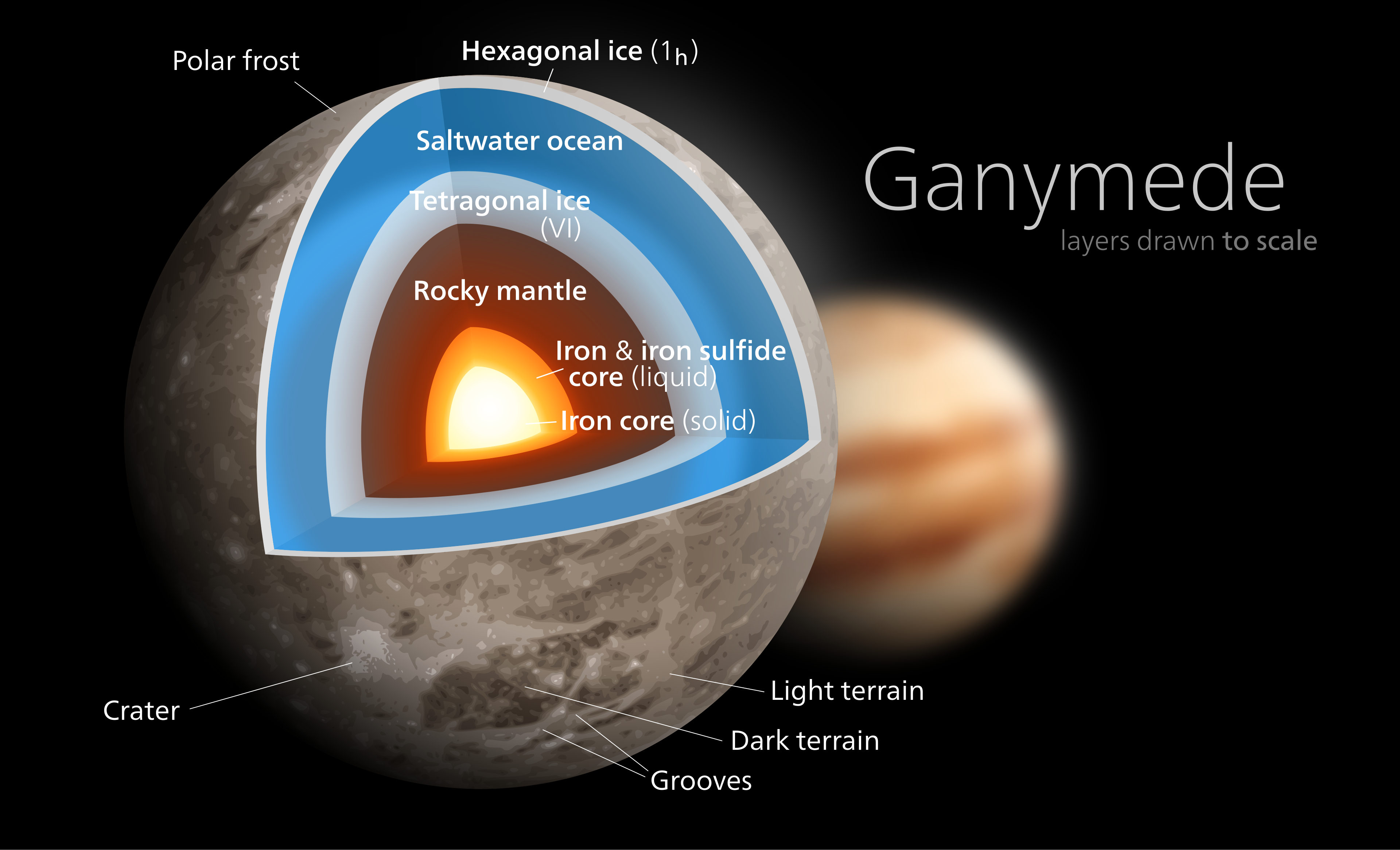
In our own backyard, Mars once had oceans, but it lost them billions of years ago. Today, Jupiter and Saturn have moons that may contain salty, liquid oceans under their icy surfaces. Callisto, Enceladus, Europa, Ganymede, and Titan are prime candidates for these icebound oceans, and they may even contain alien life. Don’t expect to encounter any Reaper Leviathans, though. If they do host life, the alien organisms would probably be small and similar to creatures that live around hydrothermal vents in the deep sea.
Beyond the reaches of our Solar System, there are planets that may truly fit the term “ocean planet” and are more in line with scifi depictions. For these planets to exist, they need to be in a star’s habitable zone aka the Goldilocks zone, where it’s not so hot that the water evaporates or so cold that it freezes solid. They also generally need a magnetic field and enough gravity to maintain atmospheric pressure.
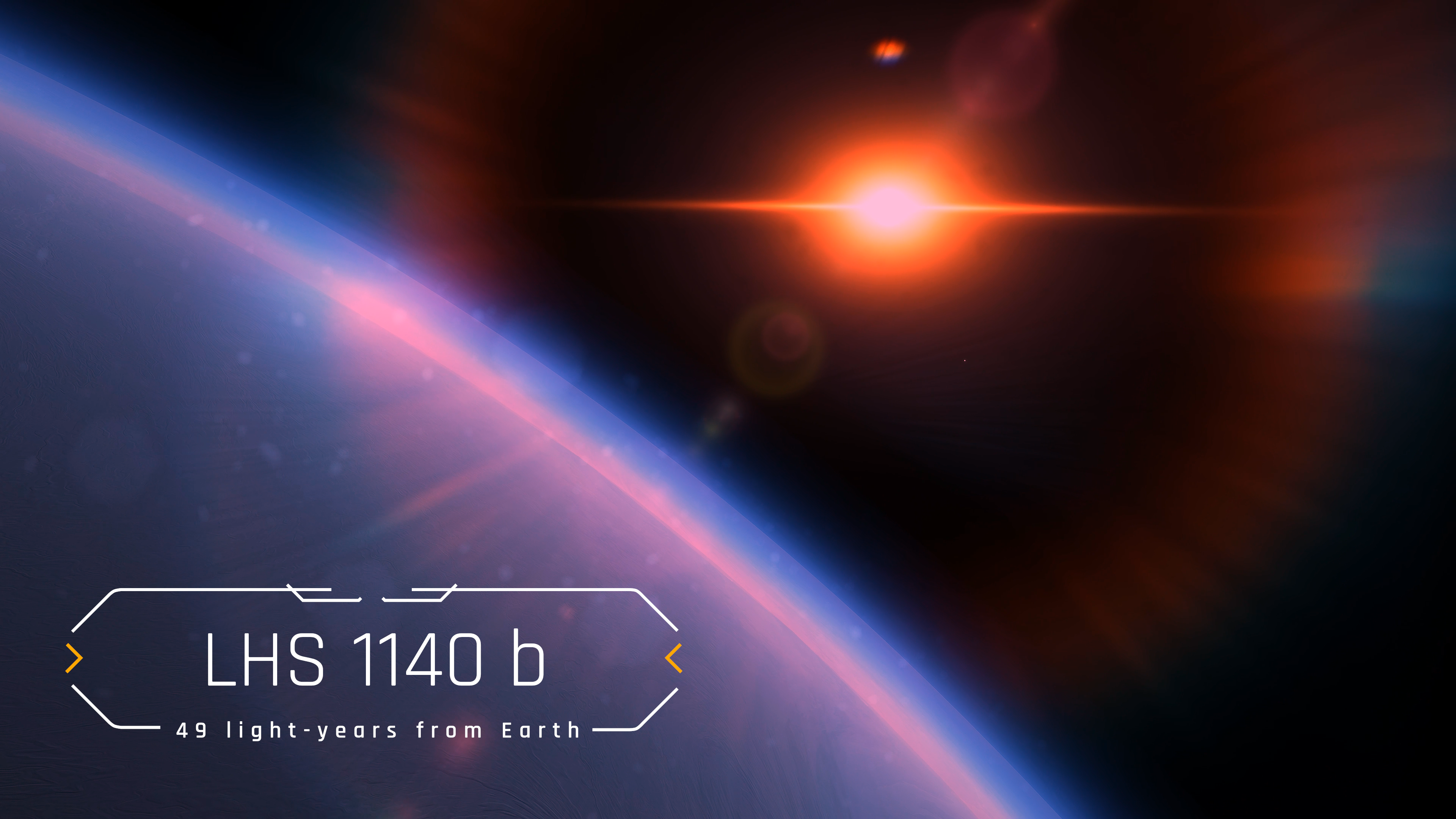
One example is LHS 1140 b, which is 49 light-years from Earth. This planet orbits within the habitable zone of the red dwarf star, LHS 1140. It has a mass that is 5.6 times larger than Earth, and 9-19% of this mass is likely made up of oceans. By comparison, only 0.02% of Earth’s mass is water. Much of this water could be frozen or covered in ice, but recent studies suggest that LHS 1140 b could be an “eyeball planet” that has a warm 20 degree Celsius (68 degrees Fahrenheit) ocean surrounded by ice in an eyeball shaped pattern.
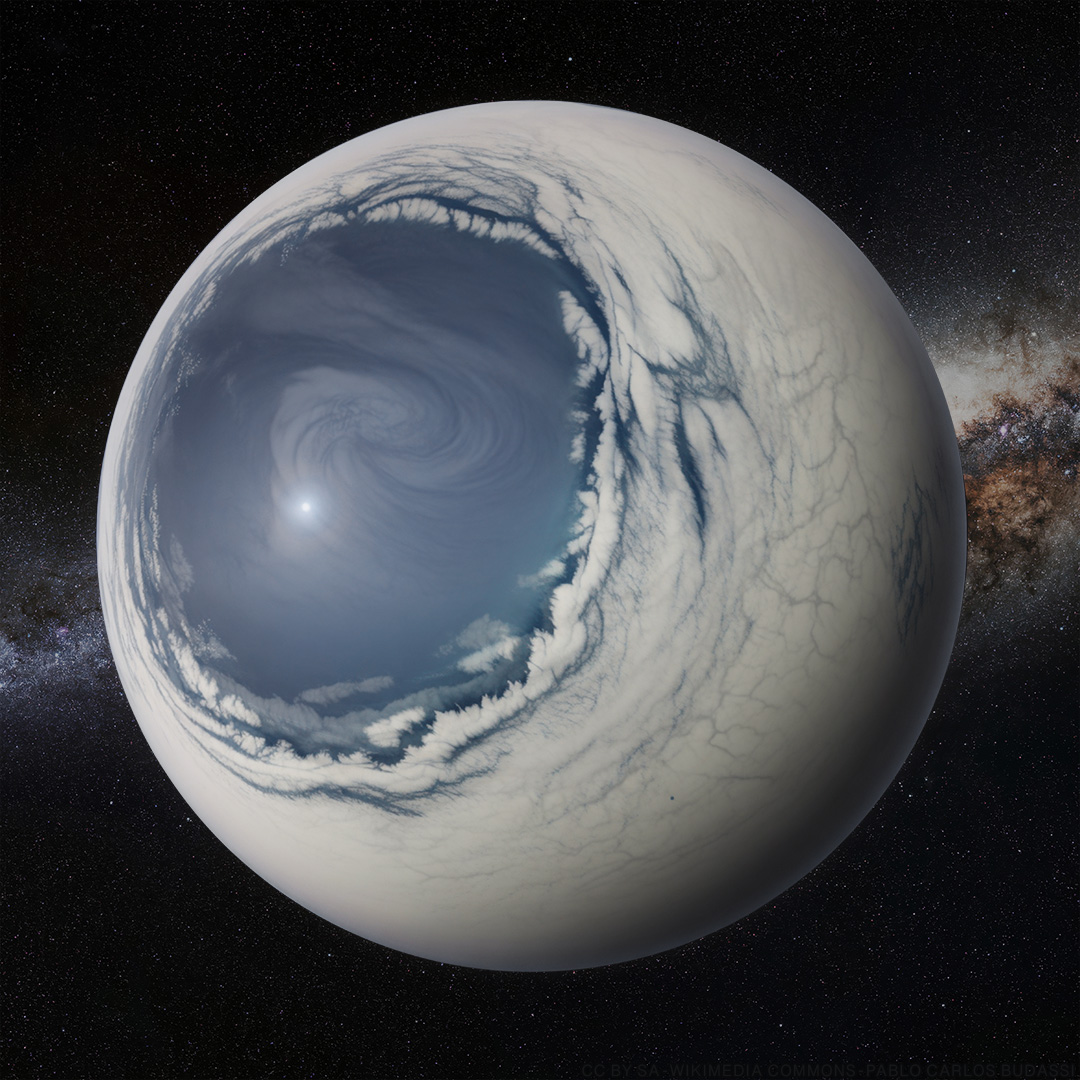
Eyeball planet example. Image created by Pablo Carlos Budassi in 2023 (pablocarlosbudassi.com)
Scientists theorize that these oceans may be over 600 kilometers (373 miles) deep. By comparison, the deepest point on Earth, the Mariana Trench, is 11 kilometers (7 miles) deep. With such a large planetary mass, the pressure underwater would be much greater than our own oceans, so it’s scary to imagine the conditions in these deep alien seas.
If any sea creatures exist here, they would have to be pretty tough. Perhaps, there are giant soft-bodied beasts similar to Subnautica‘s ghost leviathans or the Star Wars trash compacter monster, if anything can survive at all.
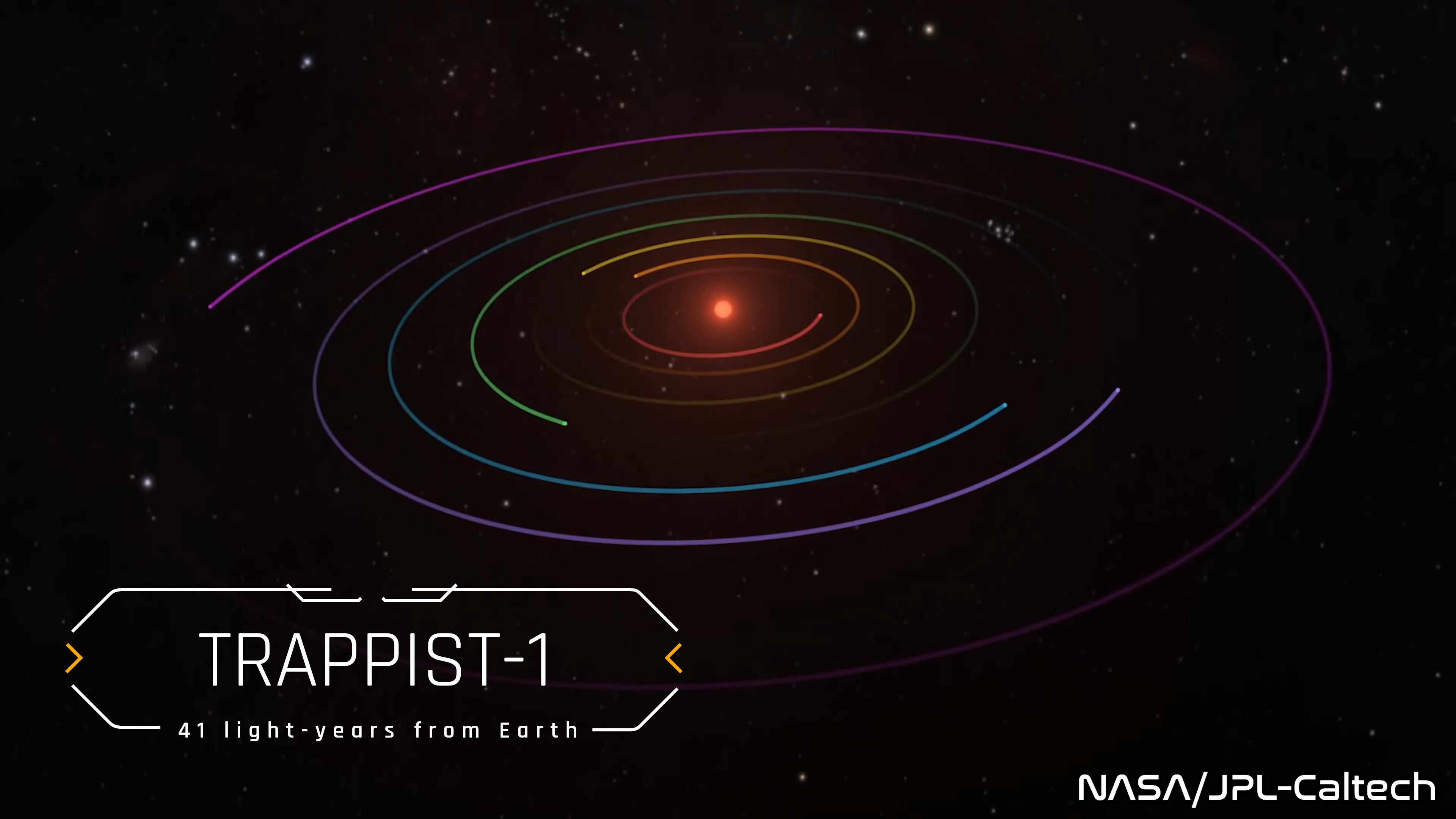
Other water worlds are way weirder, but may be better candidates for life. 41 light-years away, in the TRAPPIST-1 star system, there are seven Earth-sized planets are tidally locked to the star. That means, that one side of the planet faces the star at all times, and it does not have day or night cycles.
These planets might also be eyeball planets, and they may have oceans. Distance from the star matters. Starting at the hot edge of the Goldilocks zone, planet TRAPPIST-1d is closer to the star and may be a “hot eyeball”. On the side facing the sun, it could be scorched and desolate; while on the side facing away, it could have a watery ocean.
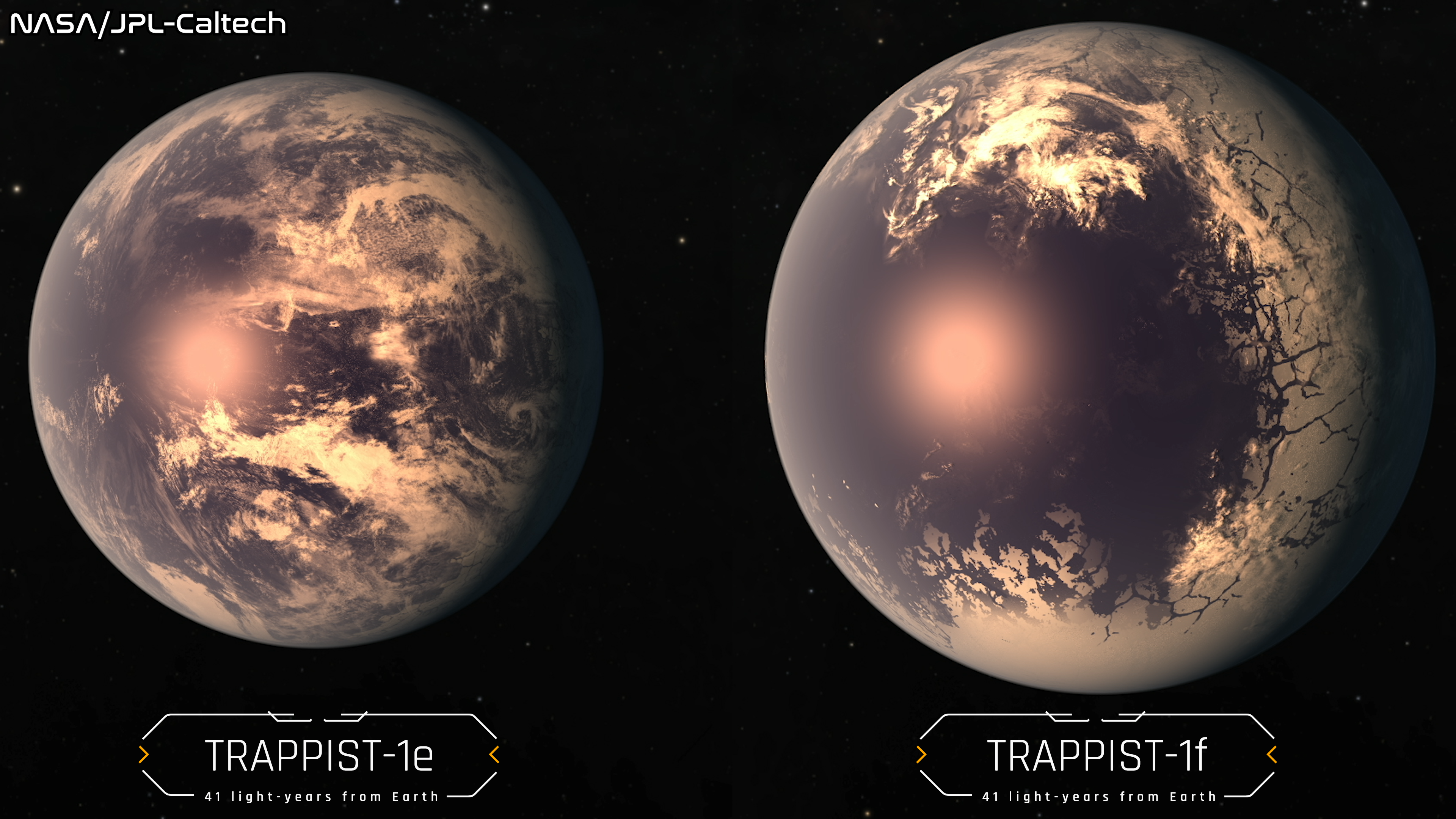
Further away from the star are TRAPPIST-1e and TRAPPIST-1f. Both of these planets may be “cold eyeballs”. On the side facing the sun, they could have a massive ocean; while on the side facing away, they could be encased in ice. TRAPPIST-1e is right in the middle of the Goldilocks zone, so it may have oceans that are similar to Earth’s.
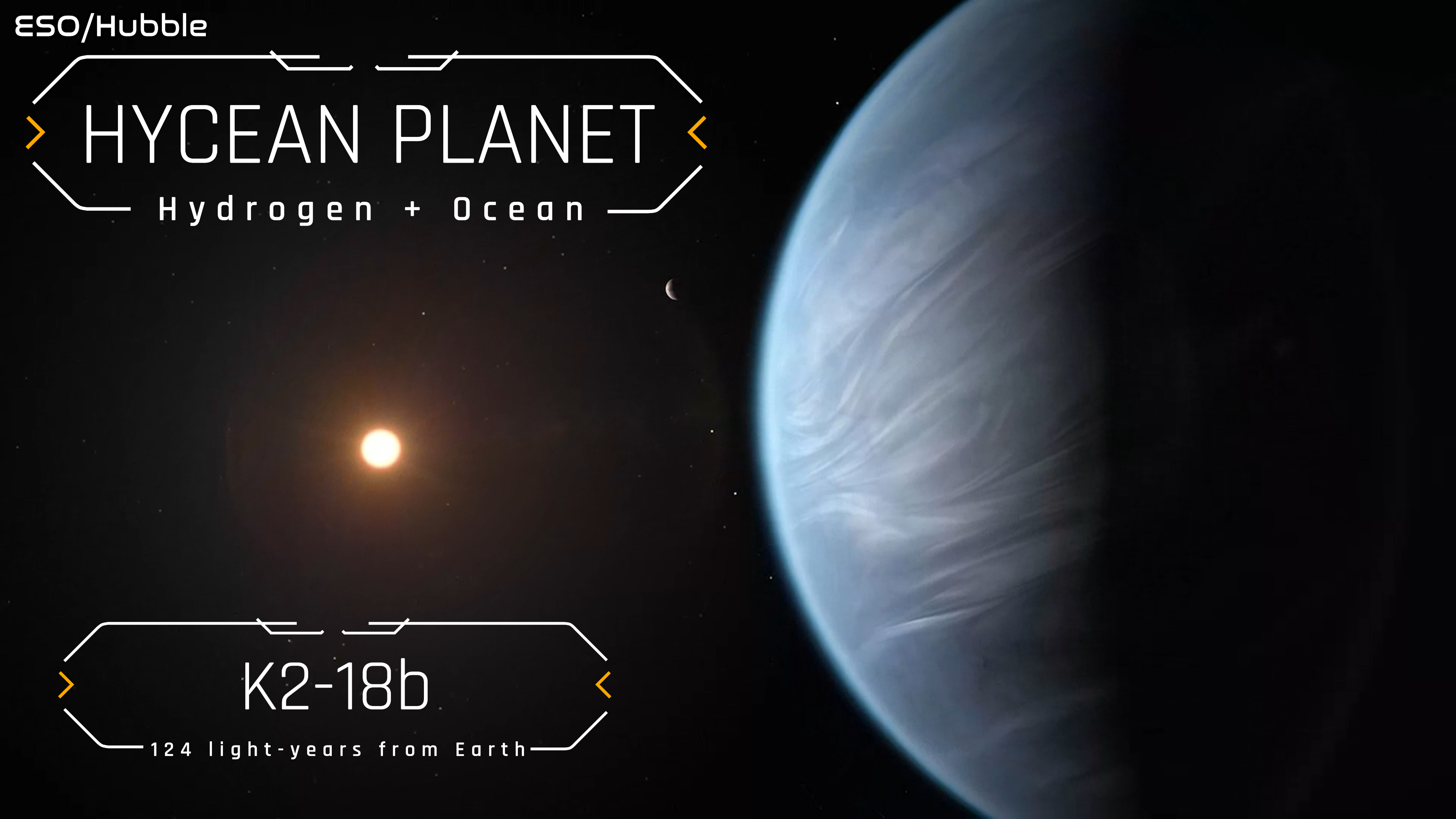
In recent years, scientists have expanded the possibilities of water worlds. In 2021, planetary researchers at the University of Cambridge speculated that “hycean planets”, which is a combination of the words “hydrogen” and “ocean”, may exist. These planets have a hydrogen-rich atmosphere and are covered in oceans, providing conditions that are favorable for life. Just not human life because, without oxygen, we can’t breathe.
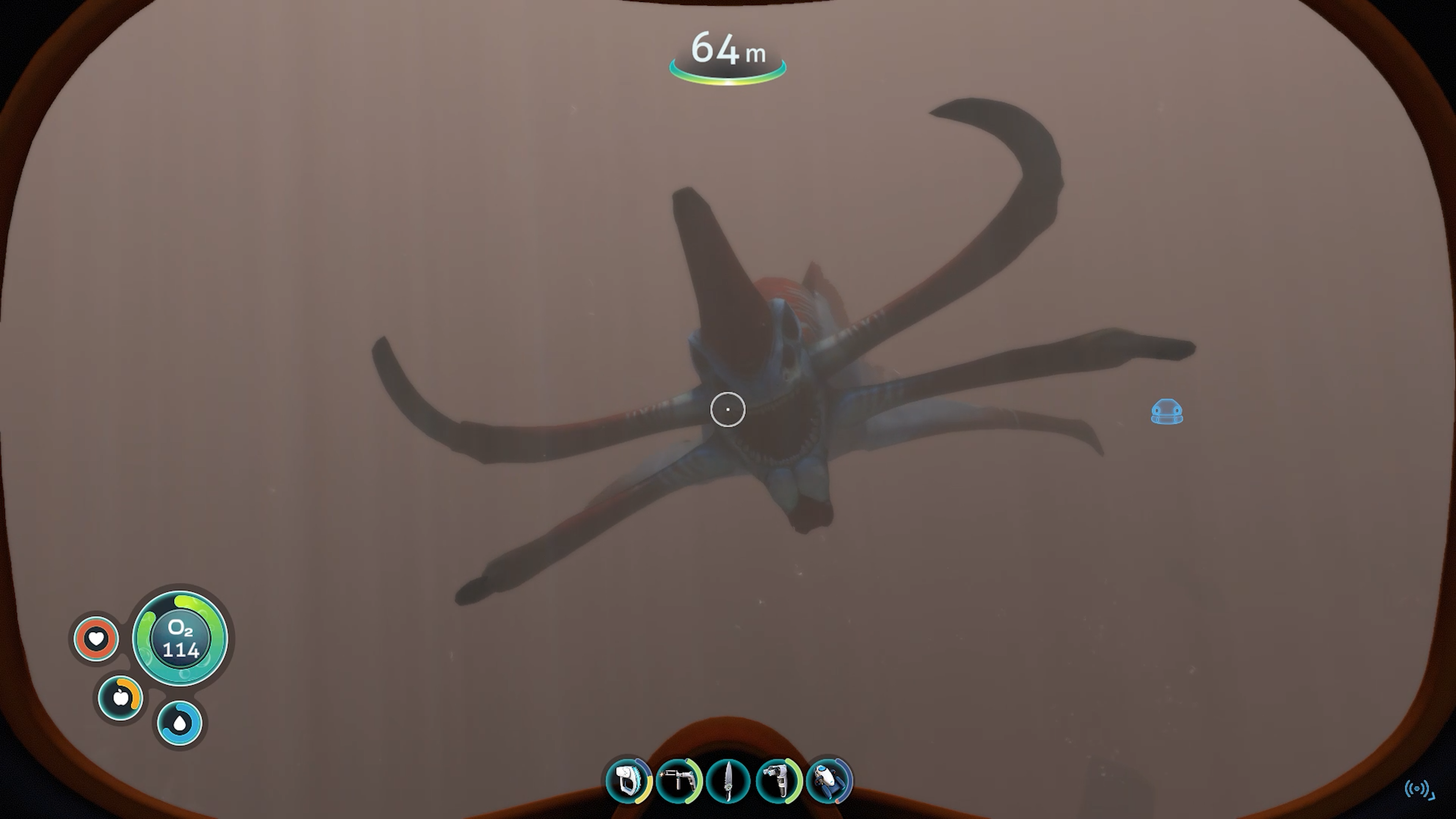
Among all these strange ocean worlds, who knows what bizarre sea creatures lurk beneath their endless waves? Will they be anything like what we’ve imagined in scifi, or will they be completely incomprehensible to us? Future astronauts will have to find out!

 Tidewater Teddy