
The Florida Keys’ coral reefs may seem healthy and full of life, but in reality, they have become coral graveyards. Since the 1970s, the Keys’ colorful coral reefs have been dying at an alarming rate, and now, 90% of the coral in the Keys is gone. While scuba diving in Key Largo, I filmed the damage firsthand, and I’ve gotta say, it did not look good.
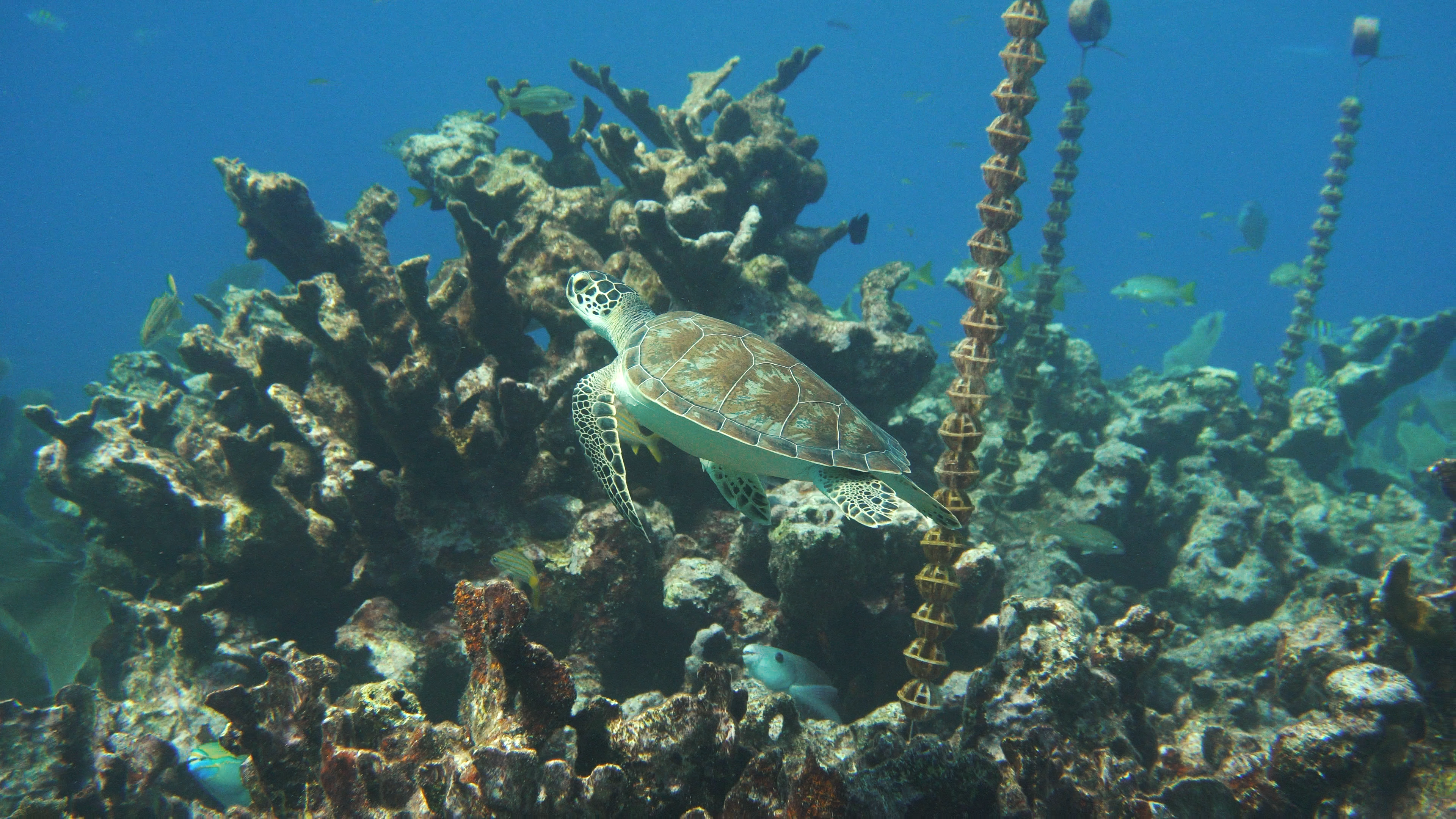
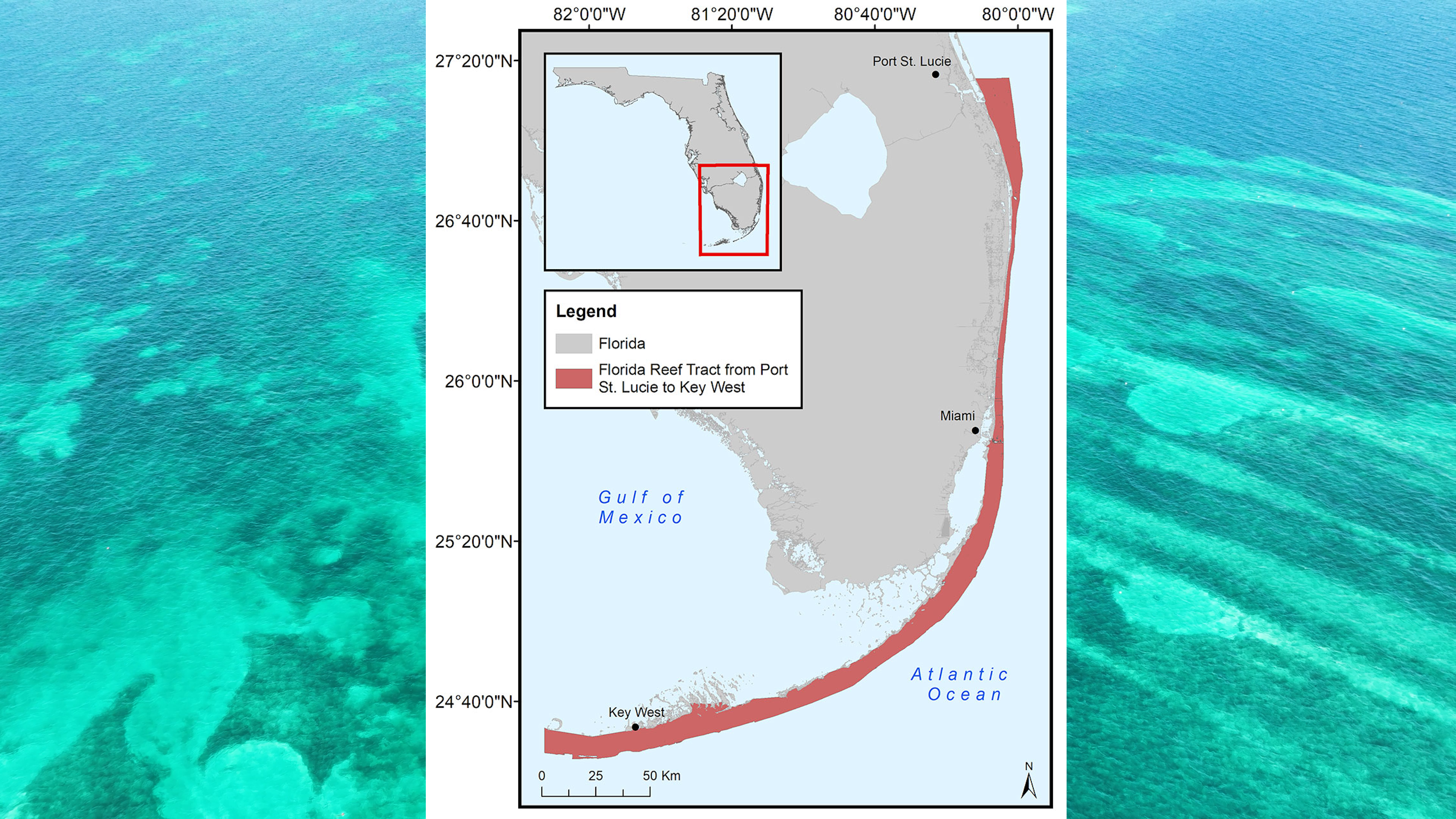
The Florida Reef, which includes the Keys, is the third largest barrier reef in the world, and the only barrier reef in the continental United States. At first glance, it may seem like these reefs are doing just fine. There’s definitely a lot of marine life here, and there are a lot of eye catching soft corals like these sea fans. But, if you look closer, you’ll notice that many hard corals, the literal building blocks of these reefs, are dead or dying.

Corals are not plants or rocks. They are actually colonies of animals that are related to sea anemones and jellyfish and are roughly divided into two groups: hard corals and soft corals.
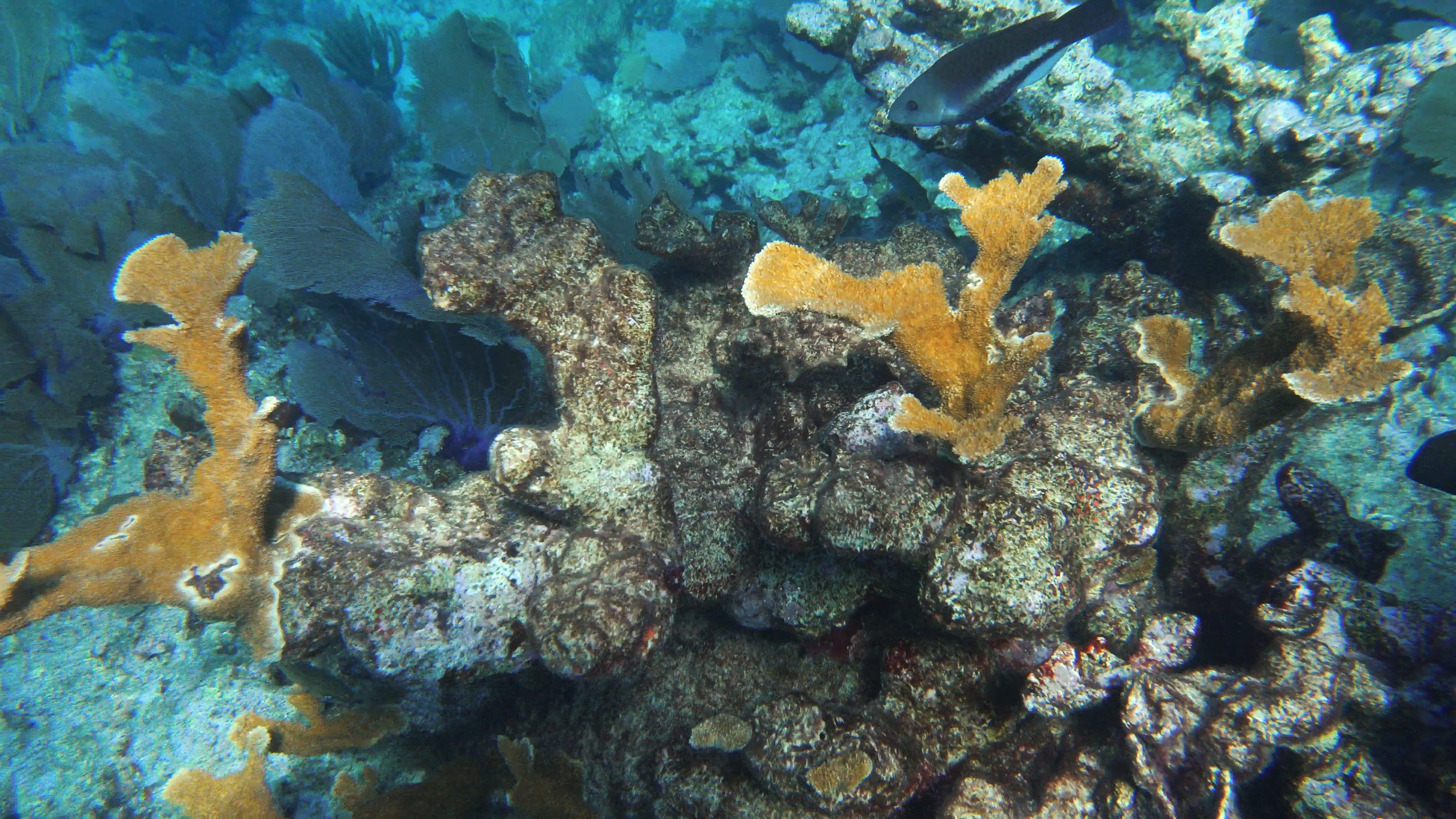
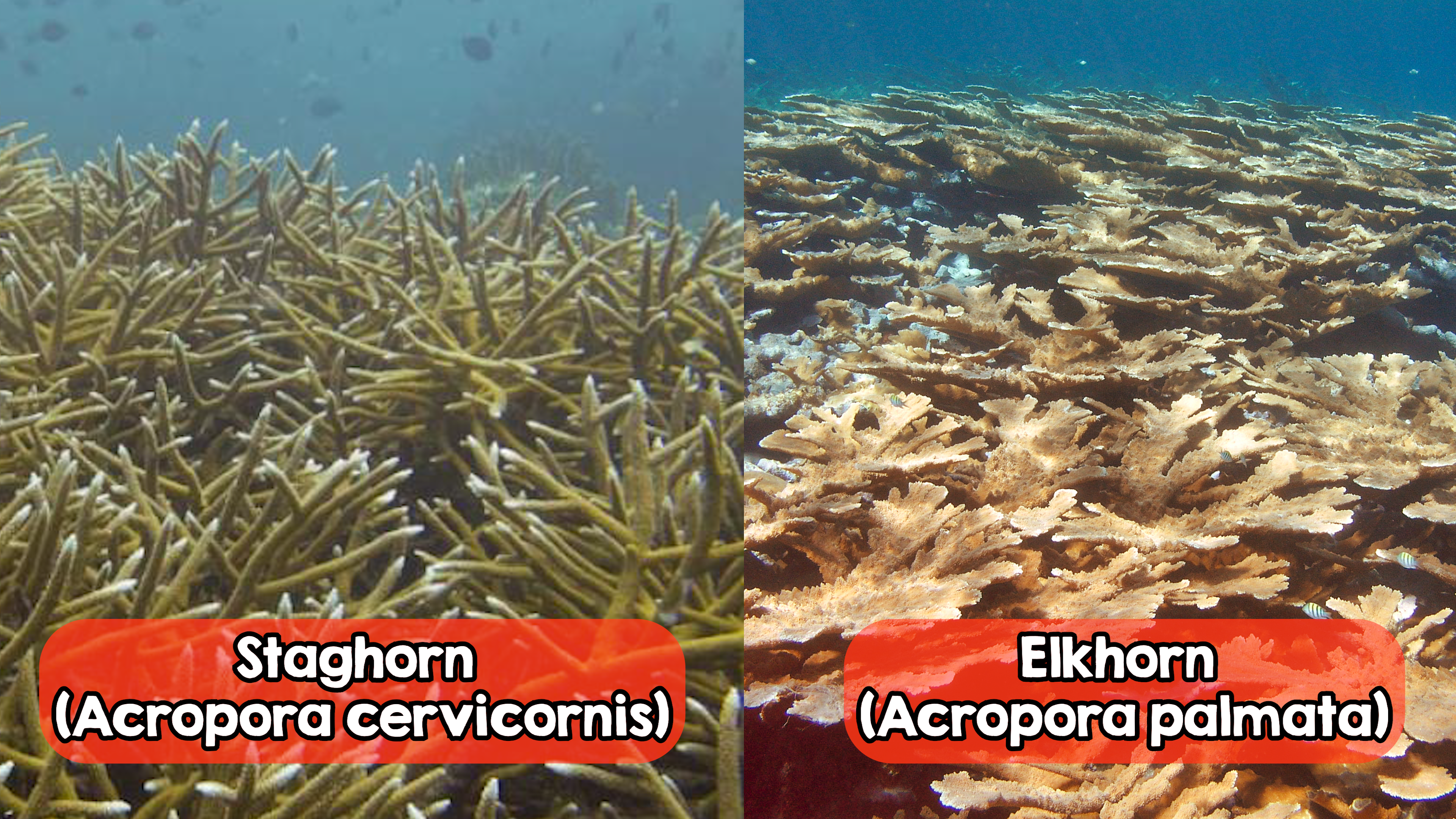
Hard corals secrete calcium carbonate, creating a sort of skeleton that protects their soft bodies. These hard, stony skeletons form the foundations of the world’s coral reefs. Staghorn (Acropora cervicornis) and elkhorn (Acropora palmata) are two important species of hard corals that built the reefs of Florida and the Caribbean over the past 10,000 years and protected coastlines from waves and flooding.
Soft corals, on the other hand, do not have hard skeletons. They’re very pretty, but they do not build reef structures. When they die, their bodies wither away without a trace. These sea fans (Gorgonia ventalina) are an example of soft corals and are quite common in the Keys.
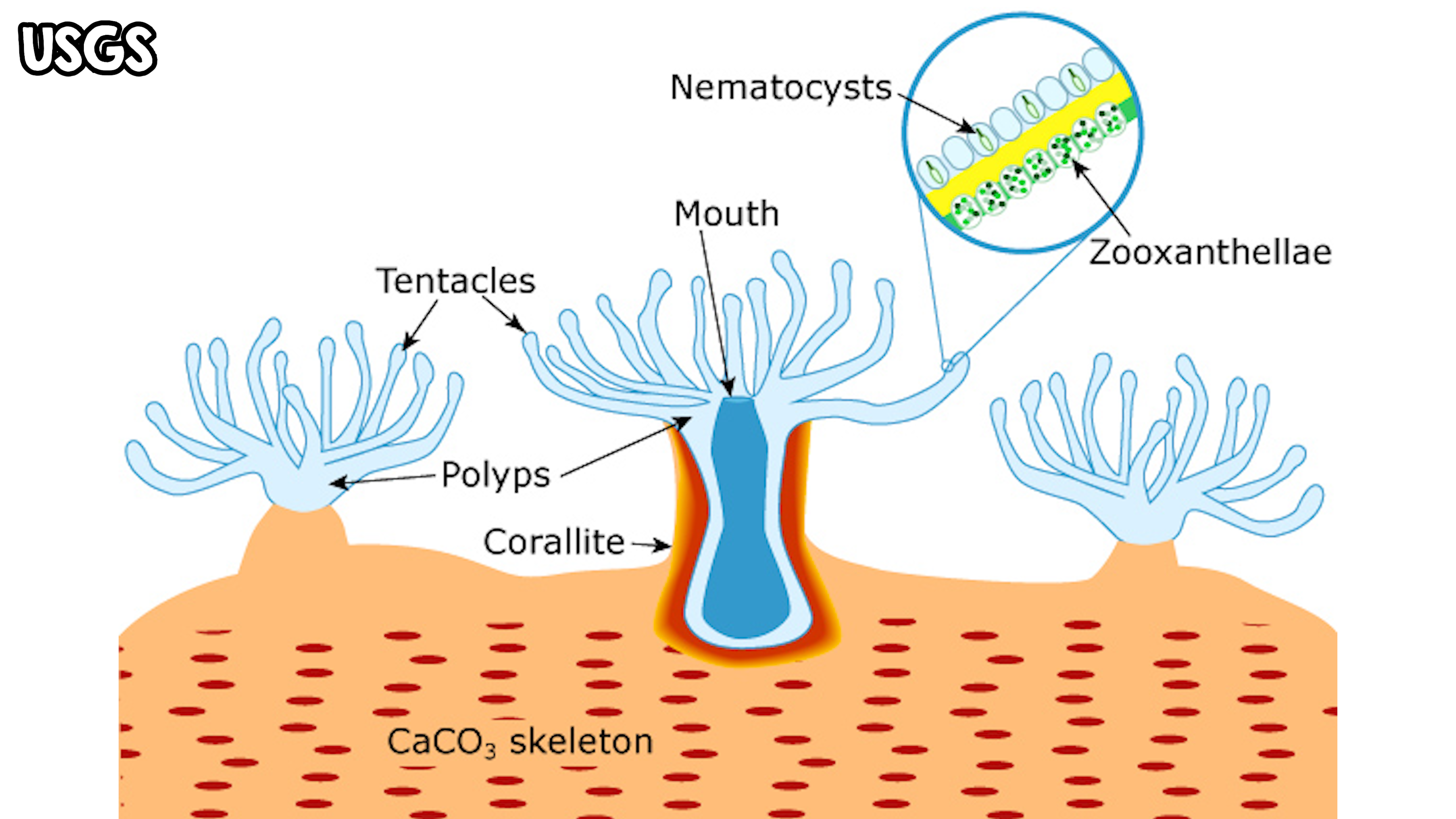
Both hard and soft corals eat plankton, but they get 90% of their nutrients from photosynthetic algae that live in their bodies called zooxanthellae. When water temperatures rise and/or water quality declines, they get stressed and release the algae from their bodies, turning ghostly white in an event called “bleaching”. Bleaching doesn’t always kill coral, but it does make them vulnerable to disease and starvation.
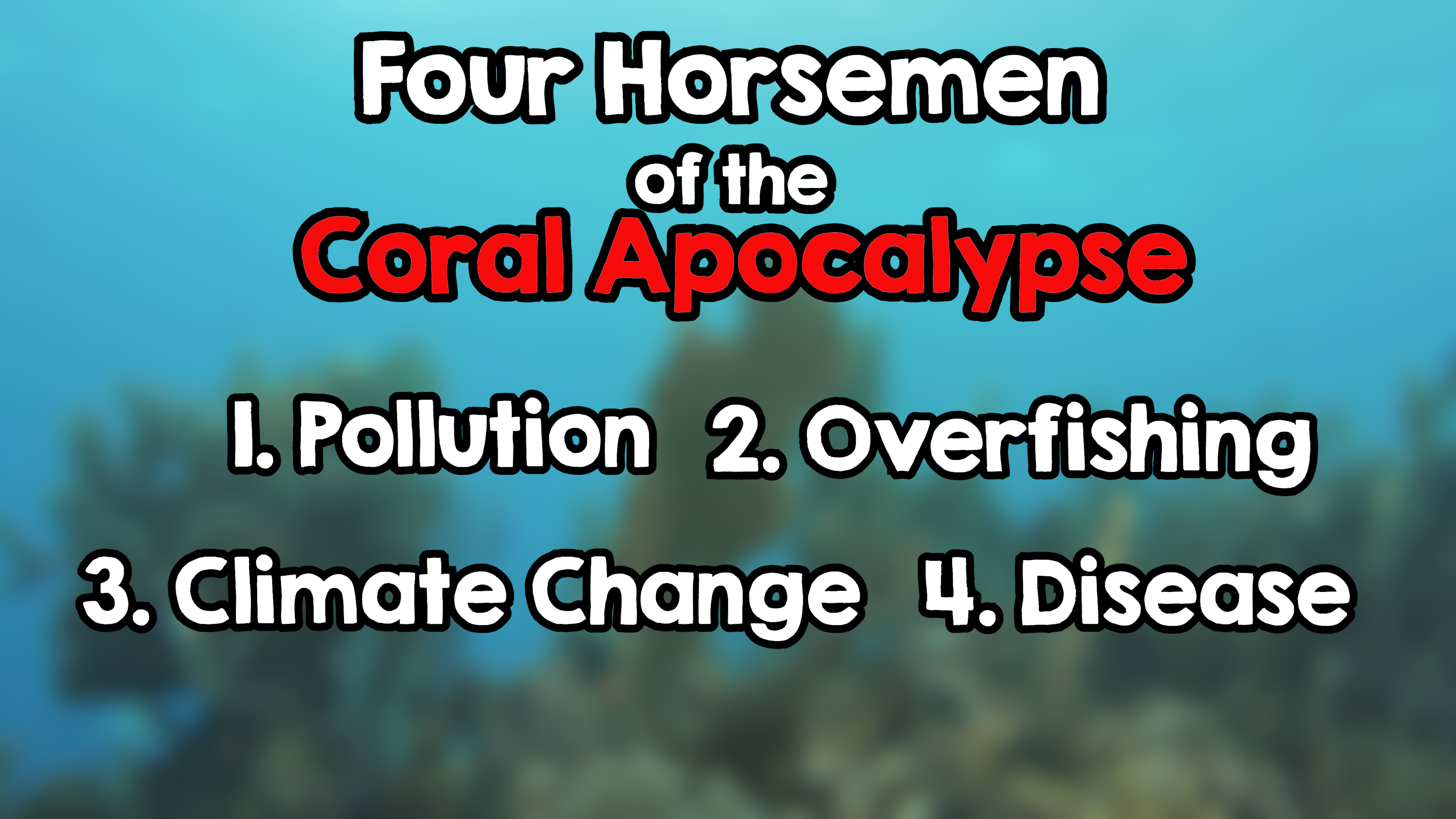
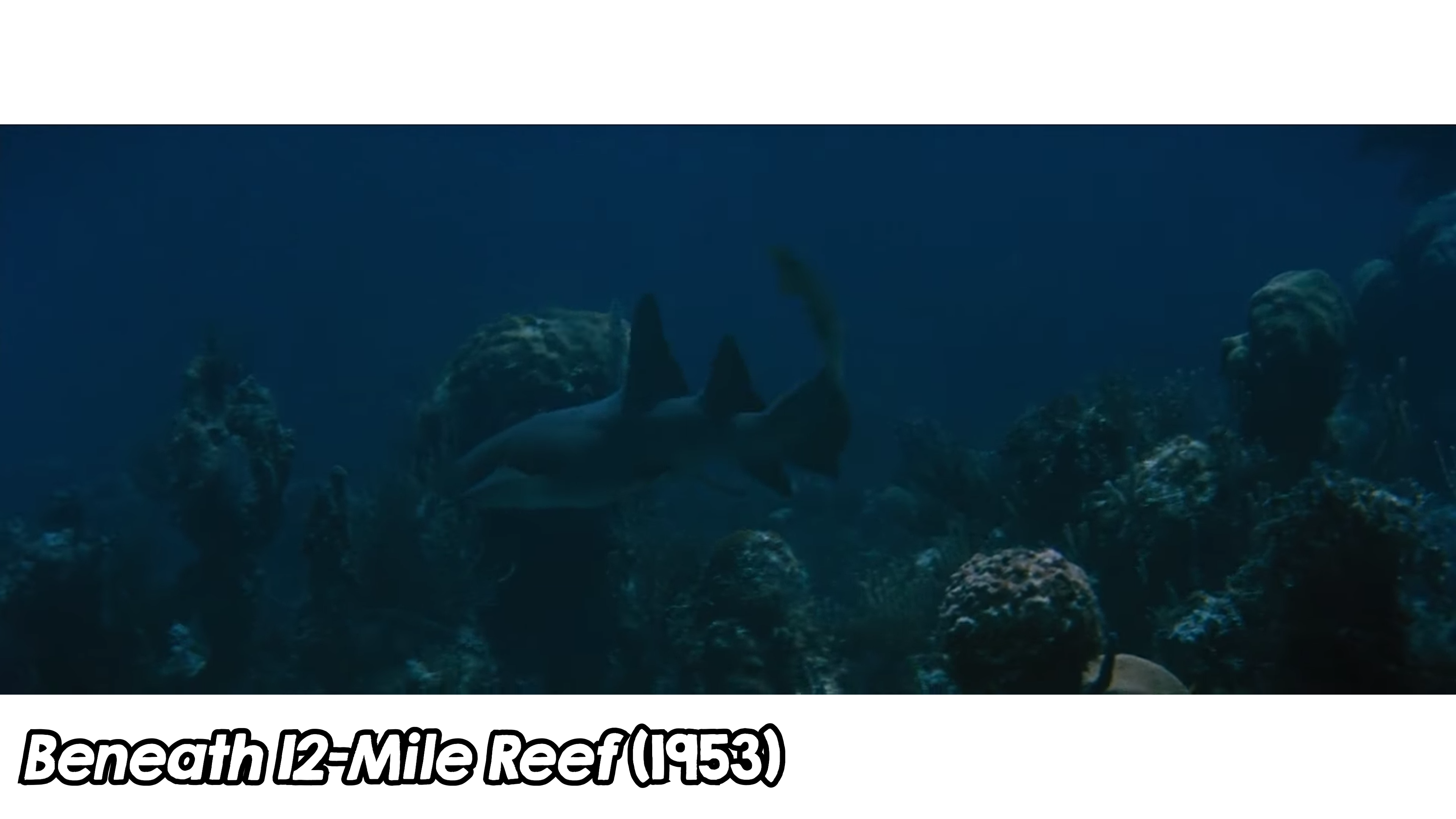
Coral has many threats, but the Four Horsemen of the coral apocalypse are pollution, overfishing, climate change, and disease. Starting in the 1950s, these Four Horsemen gradually reduced coral in the Keys and the Caribbean. To get a better idea of how reefs looked back then, check out the 1953 film Beneath 12-Mile Reef, which contains underwater scenes that were filmed in the Keys. Take note of how healthy the reefs look here.
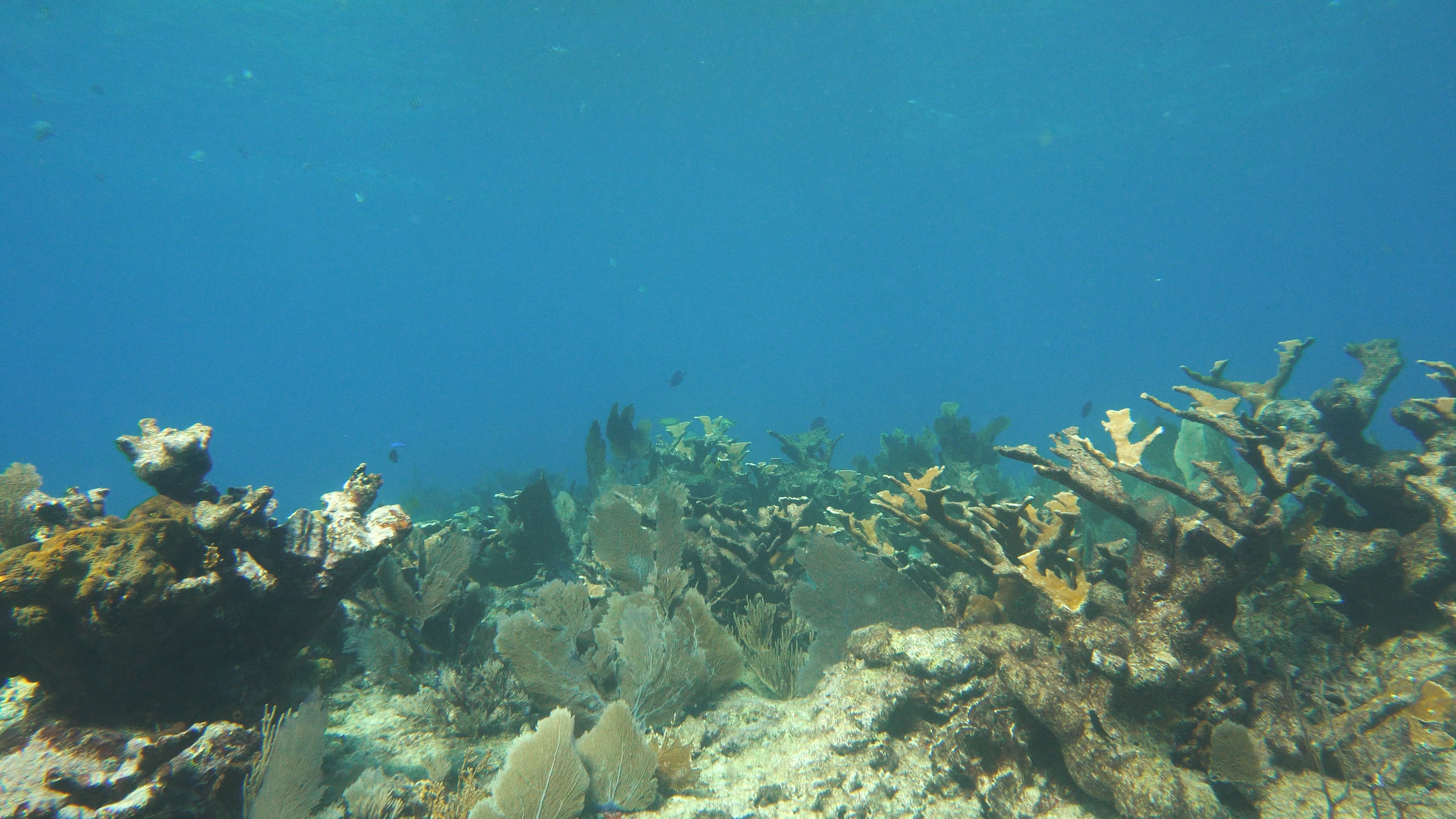
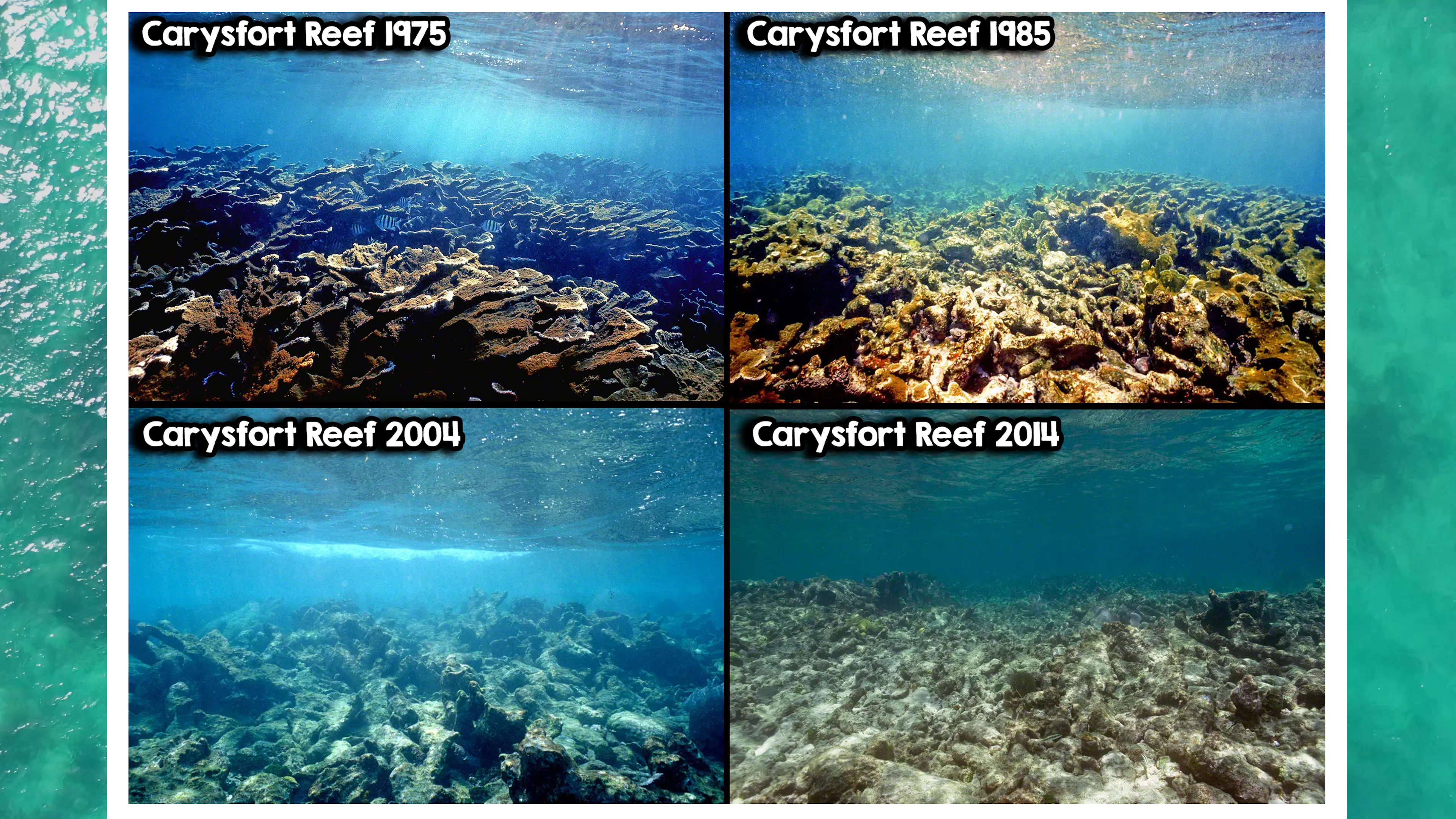
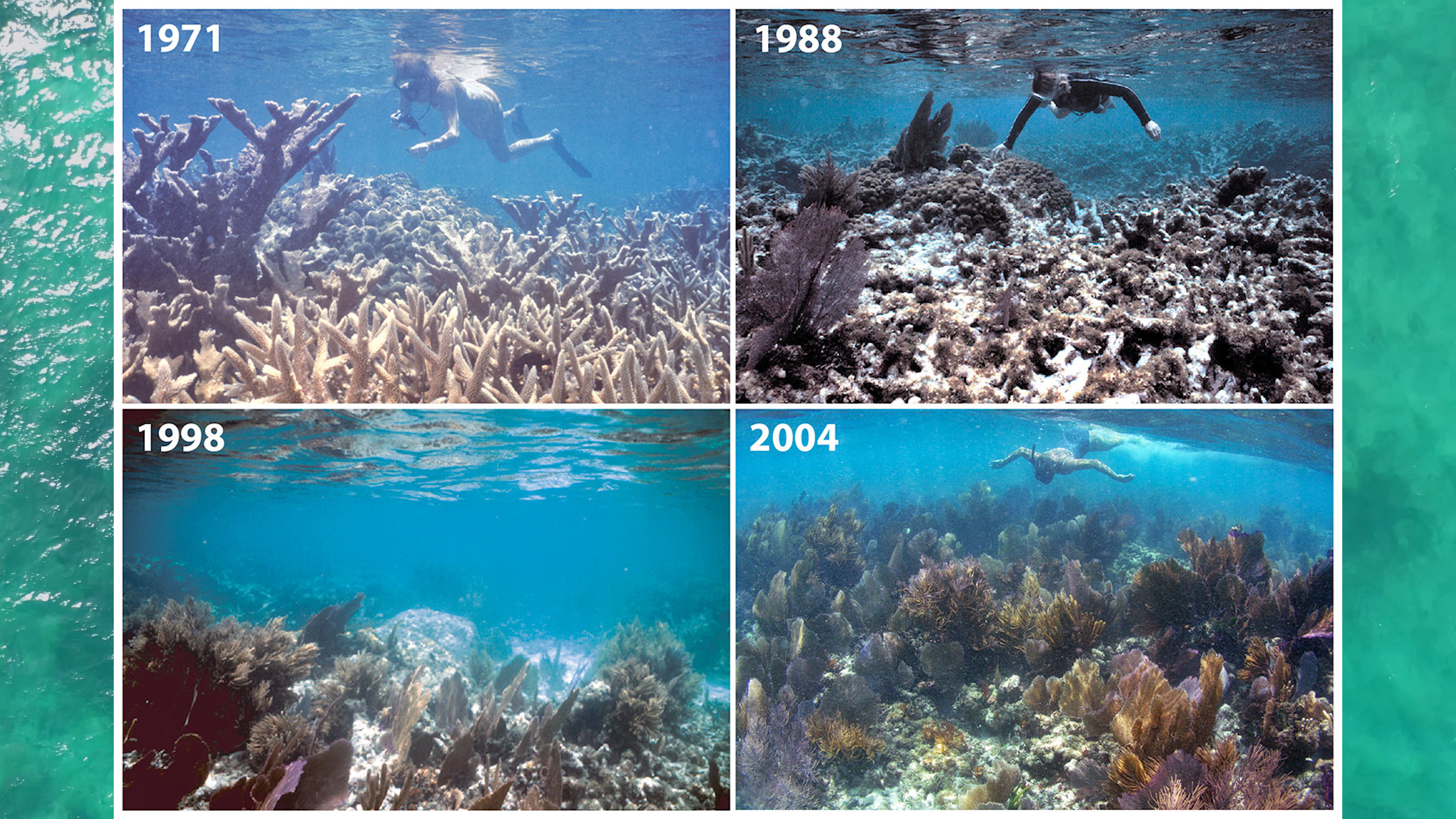
Over the next few decades, the Four Horsemen ravaged Florida’s hard corals, decimating approximately 95% of staghorn and elkhorn corals. In their place, sea fans and other soft corals took over, completely changing the underwater landscape. At a Key Largo dive site known as Grecian Rocks, this transition is well documented.
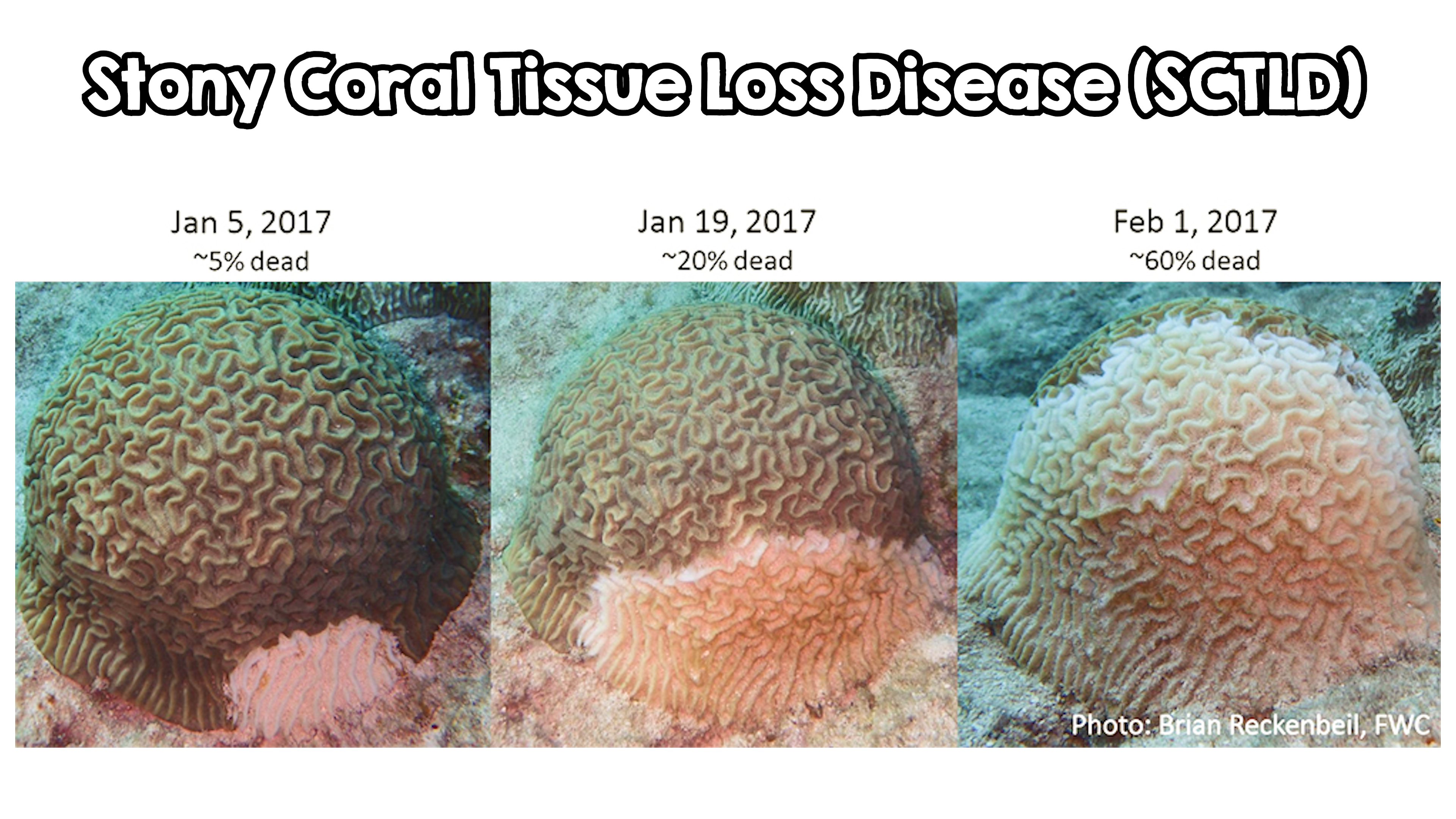
White band disease, which was discovered in the 1970s, played a big role in destroying colonies of staghorns and elkhorns. Ironically, both of these corals are immune to stony coral tissue loss disease (SCTLD). First discovered off Miami in 2014, stony coral tissue loss rapidly spread across the Florida Reef and into the Caribbean, infecting and killing 22 different species of coral in 18 countries and territories.
In the wake of the destruction, efforts were made to restore coral through transplants and gardens, and they had limited success. Everything changed, though, in 2023. That year, a marine heatwave raised the ocean temperatures to their highest levels in over 150 years. In Manatee Bay, Florida, just north of Key Largo, a NOAA buoy recorded a temperature of 38 °C (101 °F)!
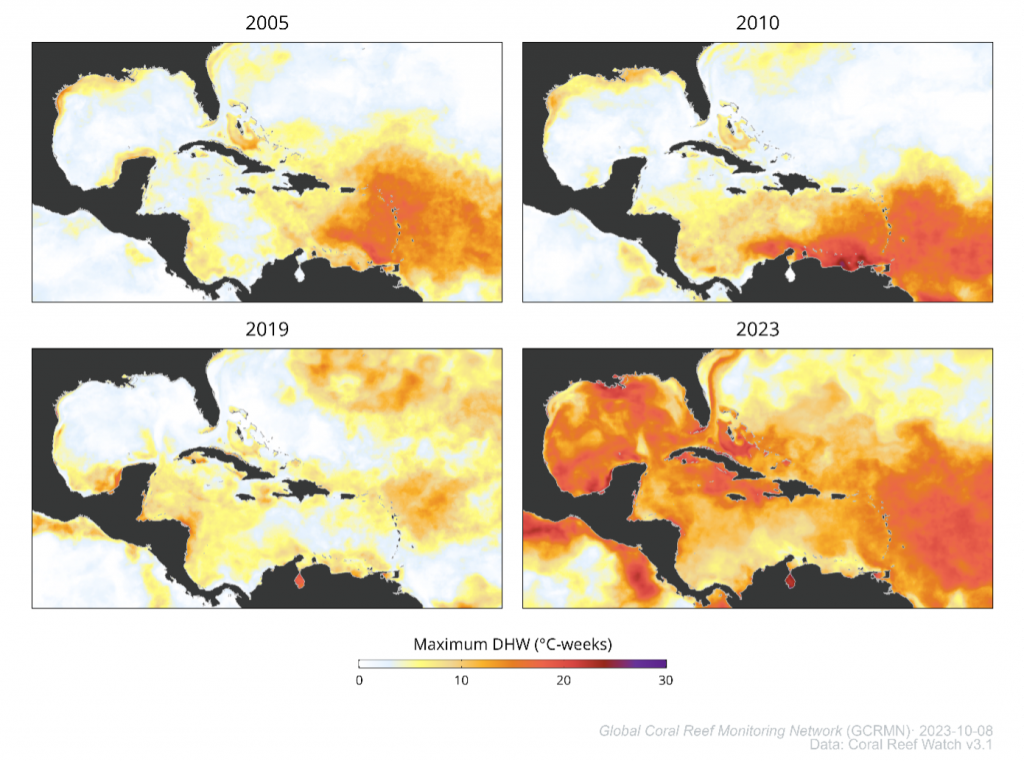
Warming seas are the devastating result of climate change, and corals are sensitive to temperature swings. Even just a 2° Celsius increase can destroy entire colonies of coral, and that’s exactly what happened to the staghorn and elkhorn. At the Florida Reef, 99-100% of the species were wiped out.
After multiple surveys across Florida between 2023 and 2026, scientists declared both staghorn and elkhorn corals as functionally extinct. Functionally extinct means that the coral are not physically extinct, but their populations are so low and irrelevant to the ecosystem that they might as well be extinct.
Now, let’s analyze my footage from Key Largo. This is from December 2024, so it’s over a year after the 2023 warming disaster. The location was two different reefs: the Dry Rocks and the Elbow.
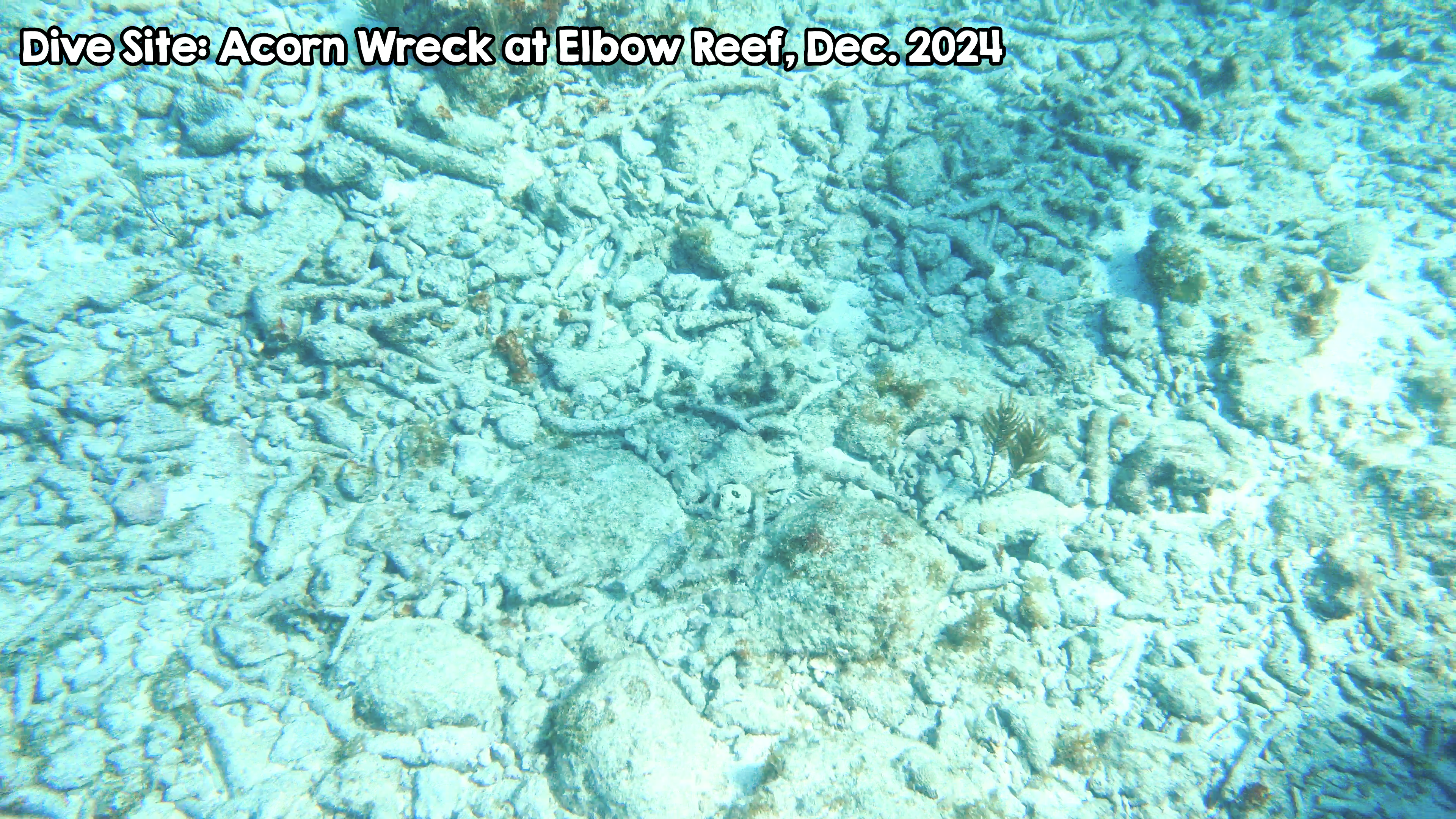
As far as I know, I did not see a single living staghorn coral, but these coral skeletons on the seabed look an awful lot like dead staghorns to me. The elkhorn corals were not in much better shape. You can see tons of dead or dying elkhorns littering the reefs.
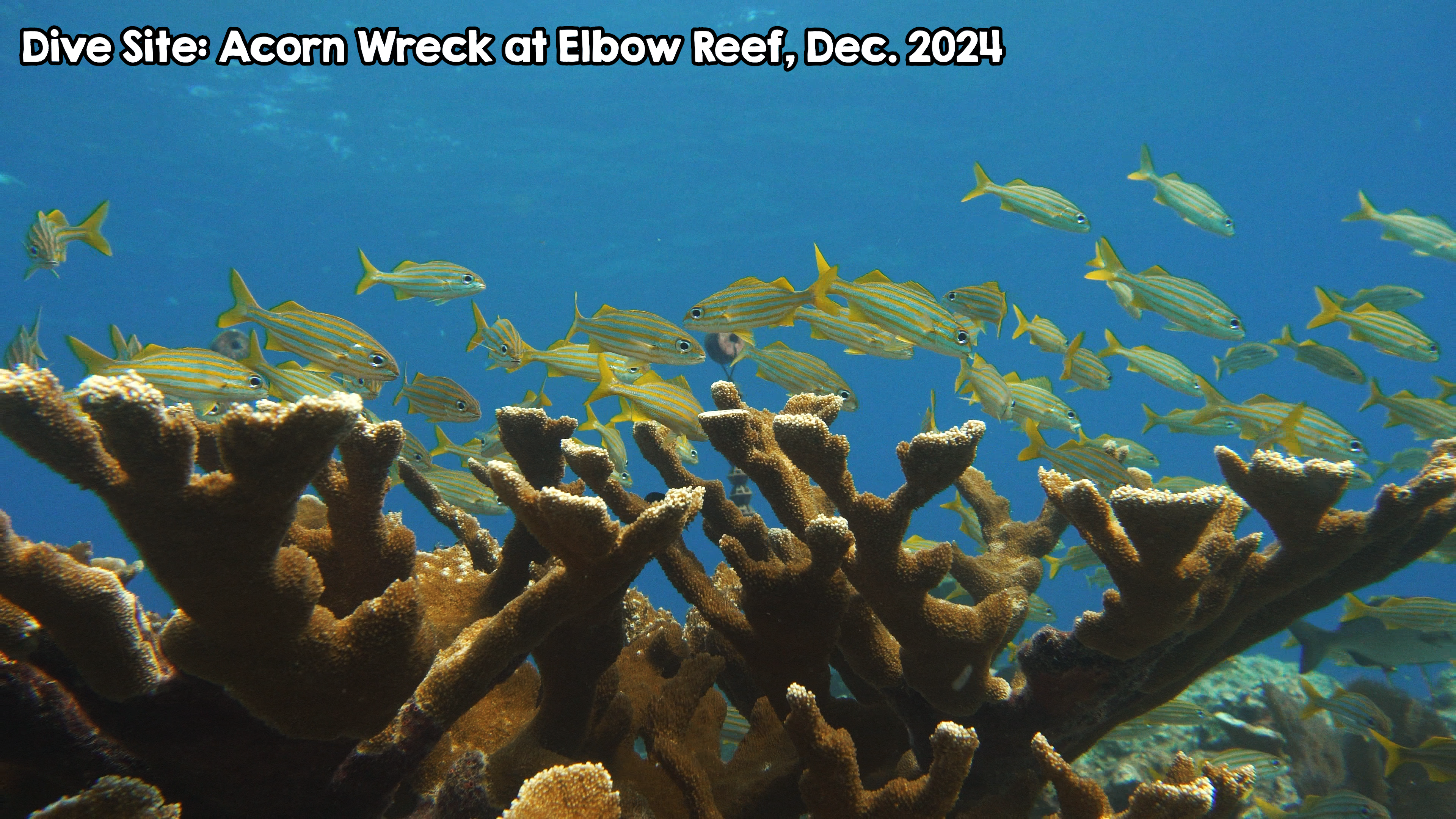
Smallmouth grunt swim above the only healthy elkhorn I saw. Elbow Reef, December 2024.
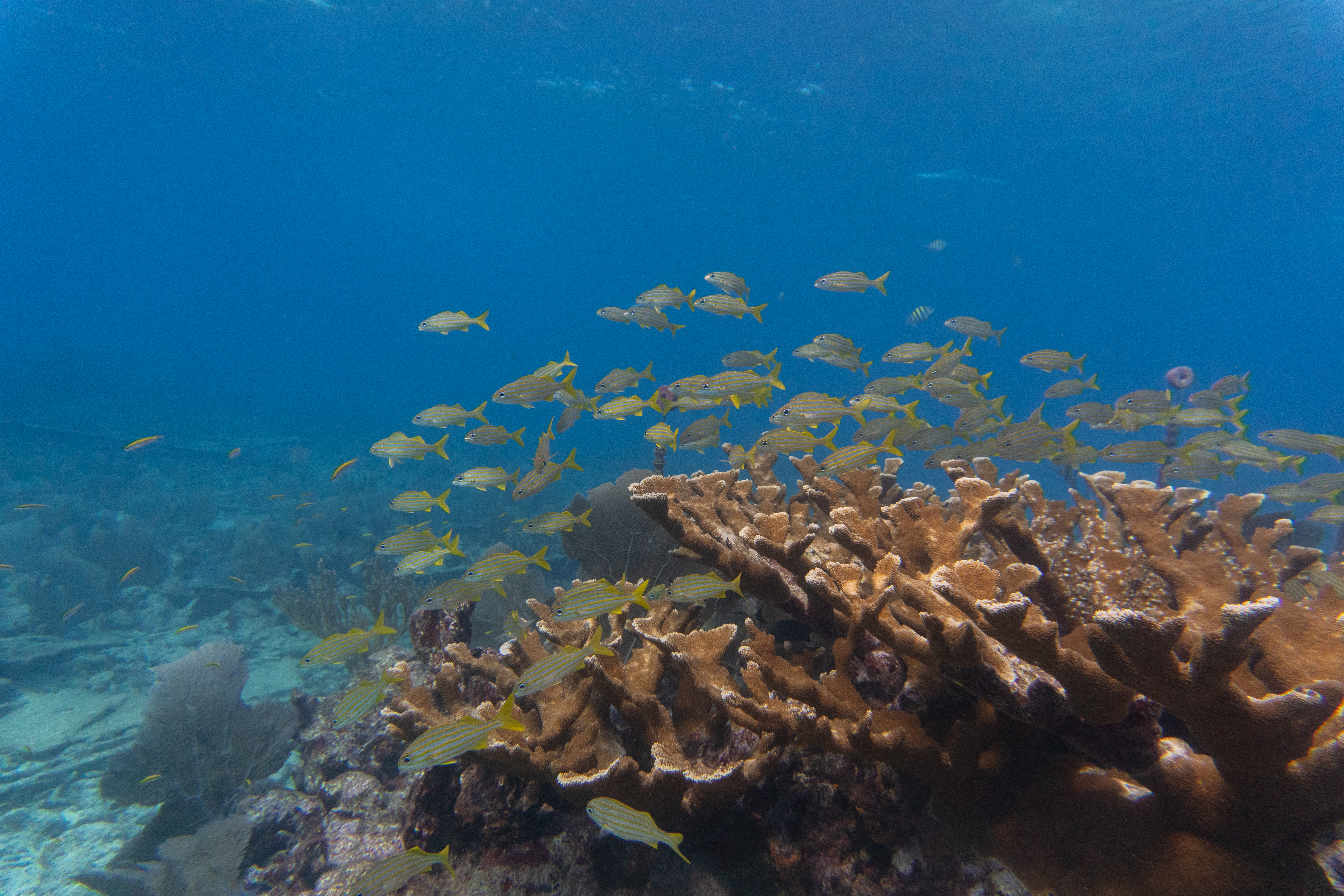
This lone survivor is the only healthy elkhorn I noticed. A school of smallmouth grunt (Brachygenys chrysargyrea) was drawn to it, and they used the coral’s “antlers” for protection from predators. Despite the lone elkhorn’s beauty, it was a grim reminder that the Keys are a coral graveyard.
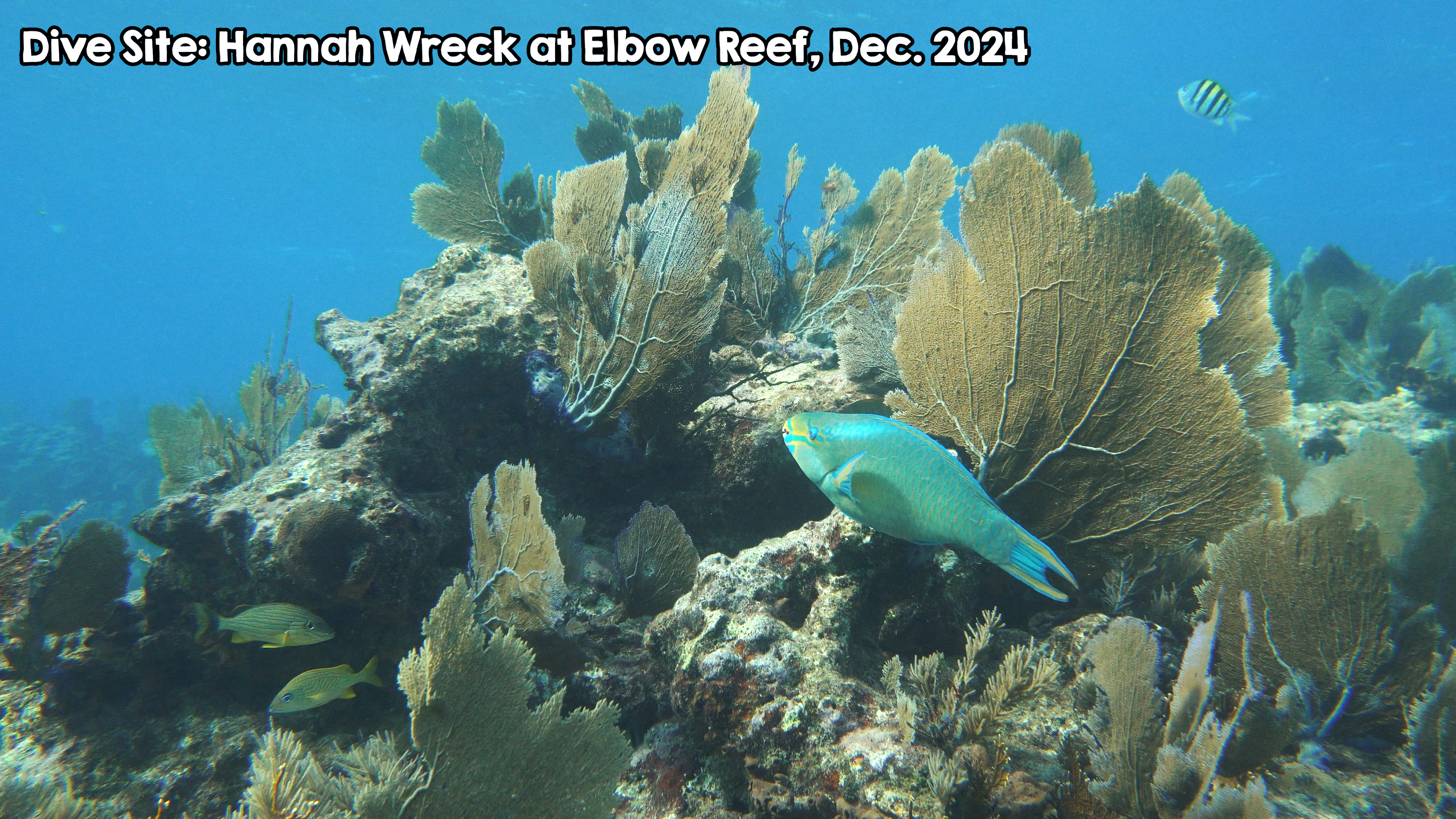
But one coral’s loss is another coral’s gain, and the sea fans are thriving. Sea fans are remarkably resilient, and they may be on track to replace the stony corals that once dominated these reefs. They are unable to rebuild the dying reef, but they are providing valuable habitat for sea life.
Unfortunately, coral extinction is not restricted to the Keys. Throughout the Western Atlantic, corals died out in record numbers during the 2023 heatwave. Before 2023, Puerto Morelos, a town on Mexico’s Caribbean coast, was home to over 5,000 colonies of elkhorn. After the 2023 warming, 100% of elkhorn corals perished in the extreme heat.
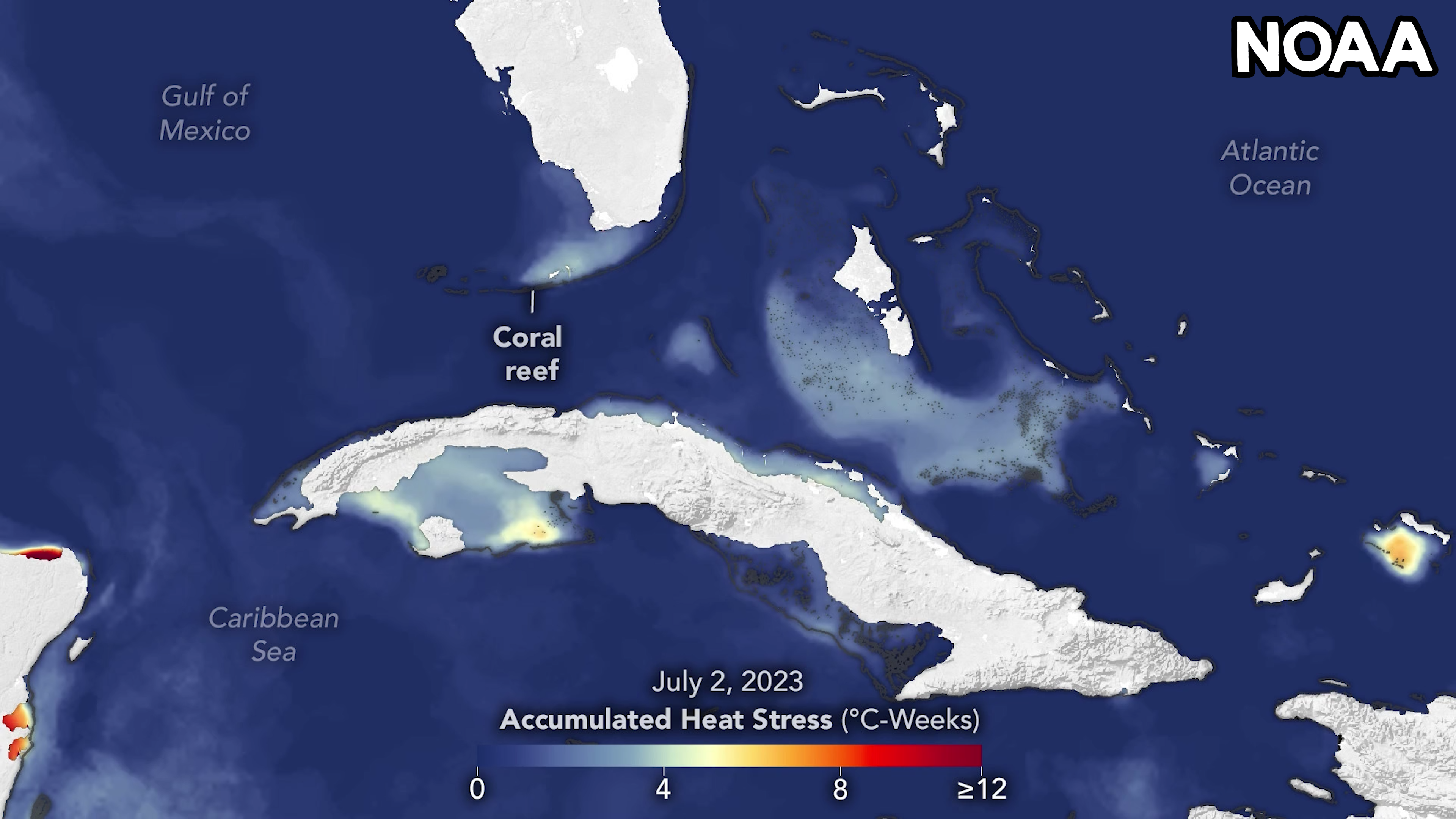
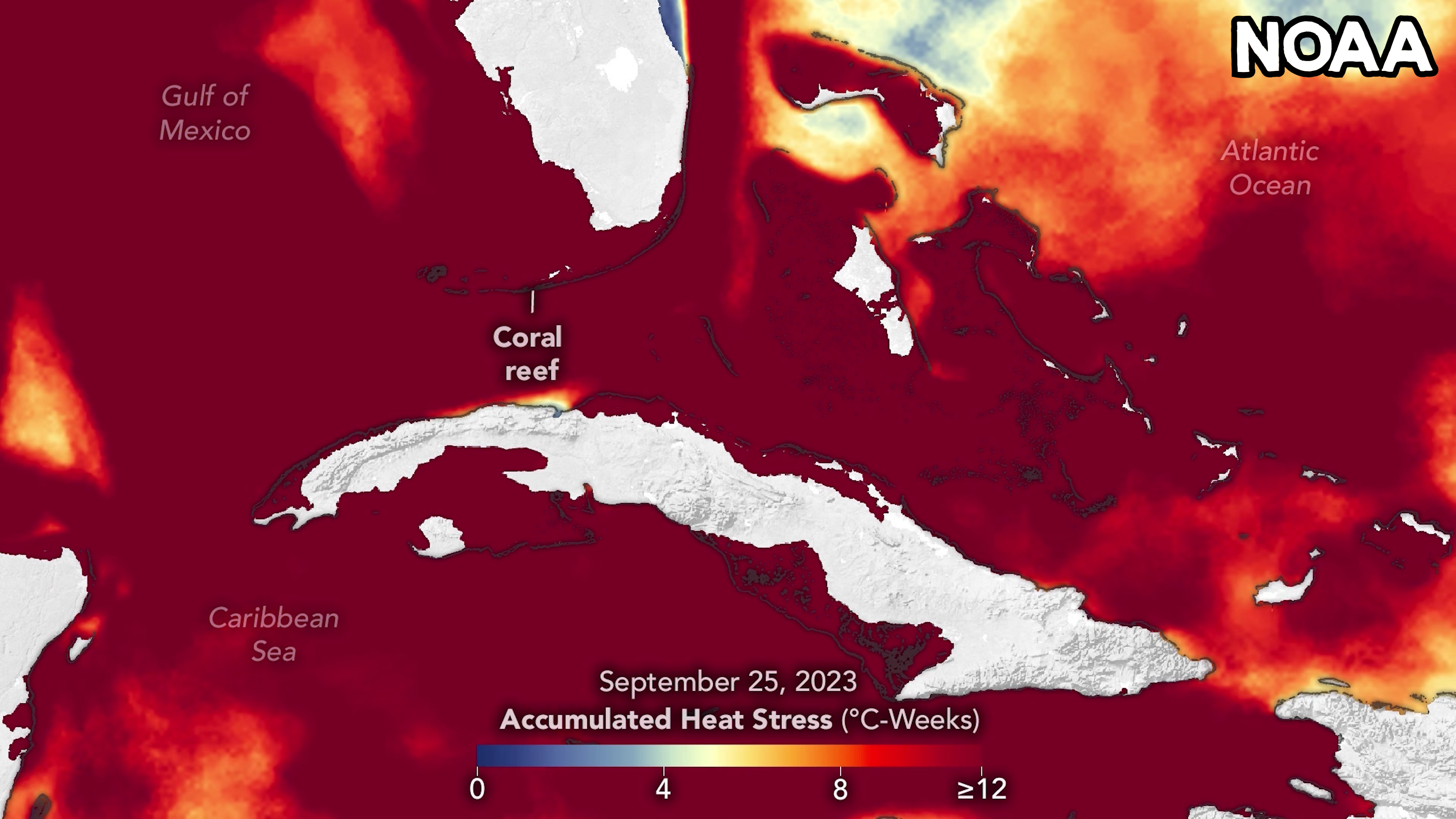
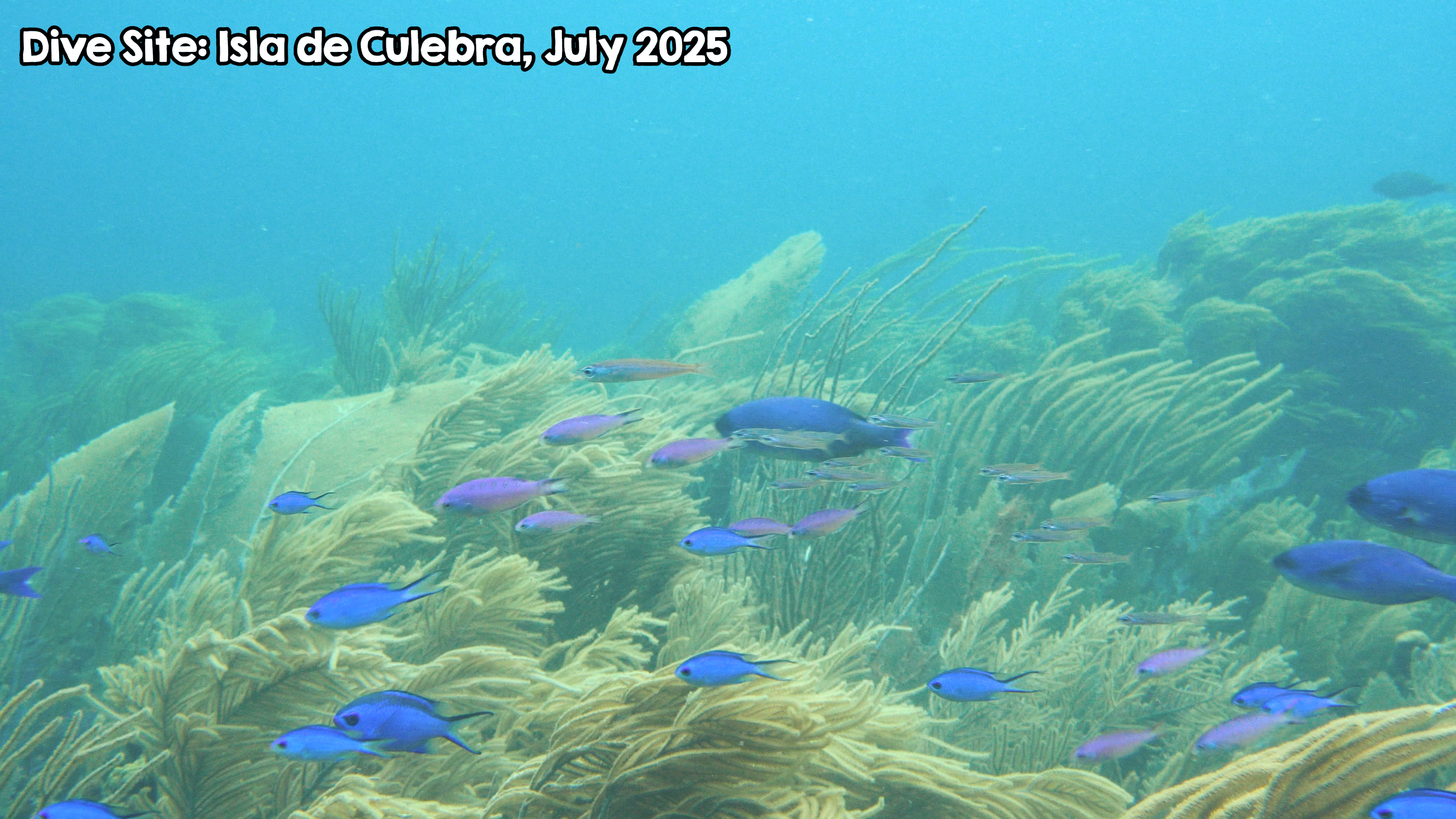
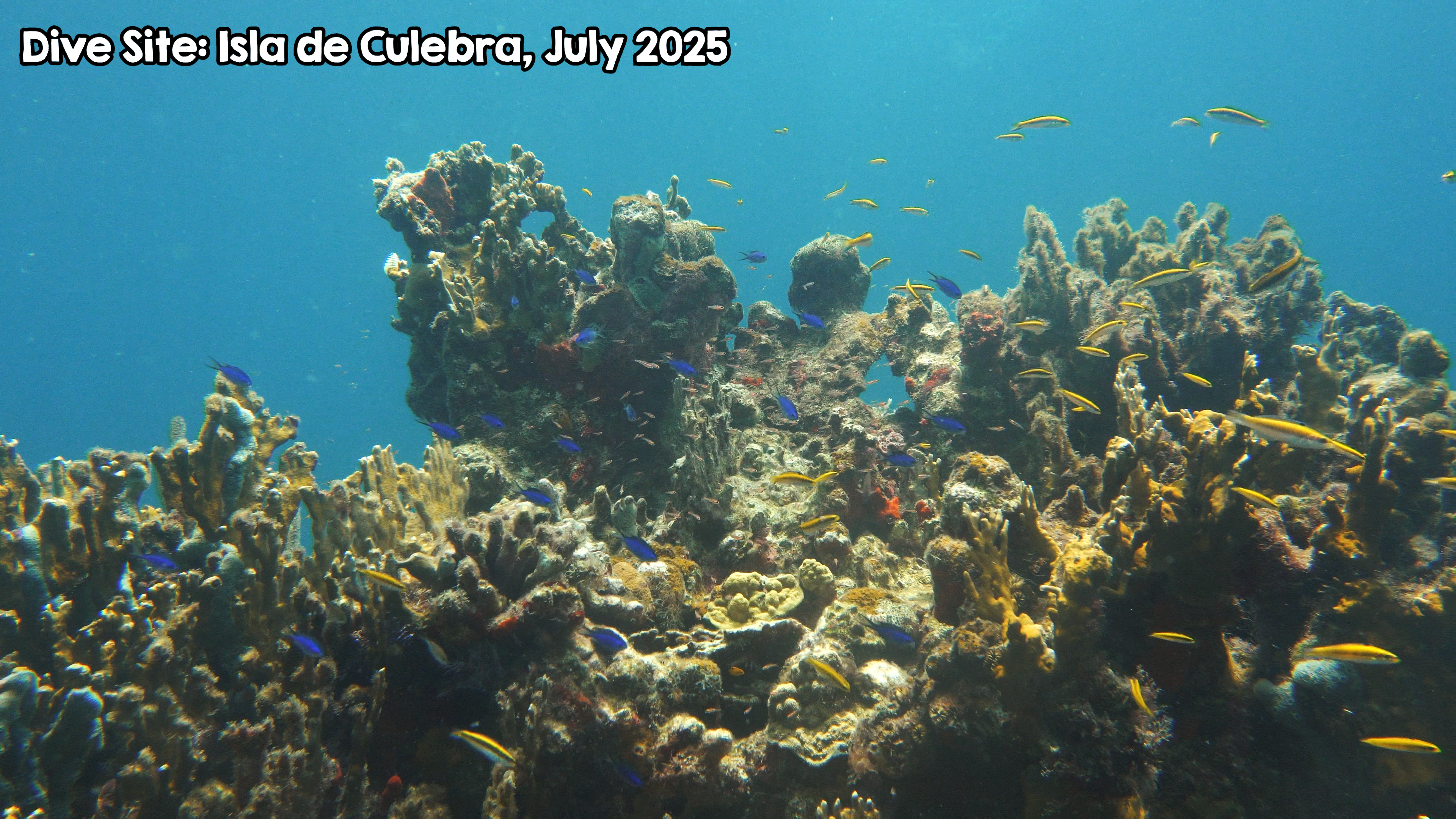
Meanwhile, in Puerto Rico, 2023 was the island’s hottest year on record, and the coral reefs there suffered. Here’s some footage I collected at two different sites in July 2025.
The first site was at Isla de Culebra, just east of the mainland. Here, it was pretty obvious that most of the hard corals had died and been replaced by soft corals, just like the Florida Keys. Some hard coral managed to survive at deeper depths, but most of it was gone or eroding. I saw what may have been staghorns and elkhorns growing on a mound of dead coral, but I’m not 100% sure.
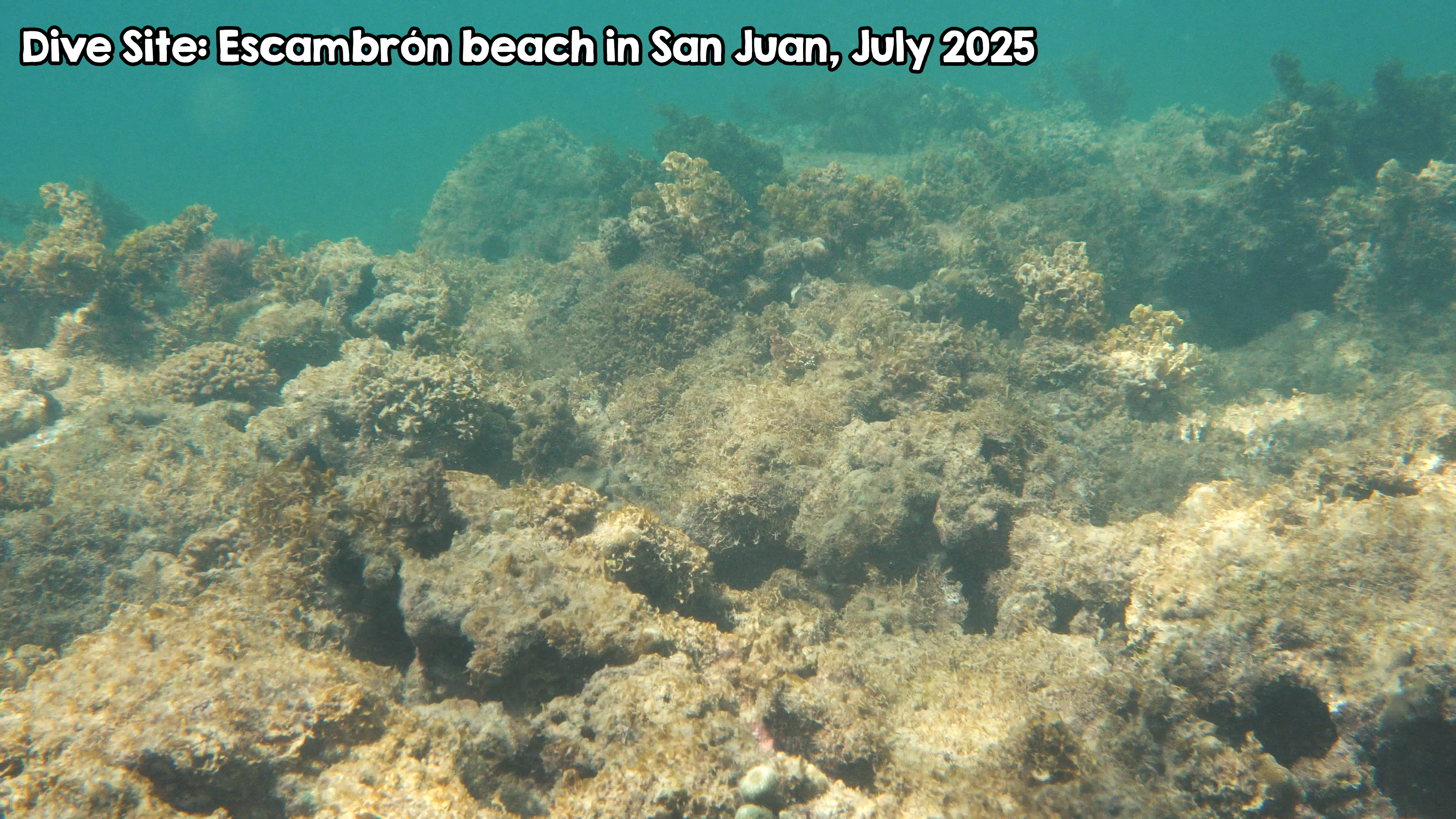
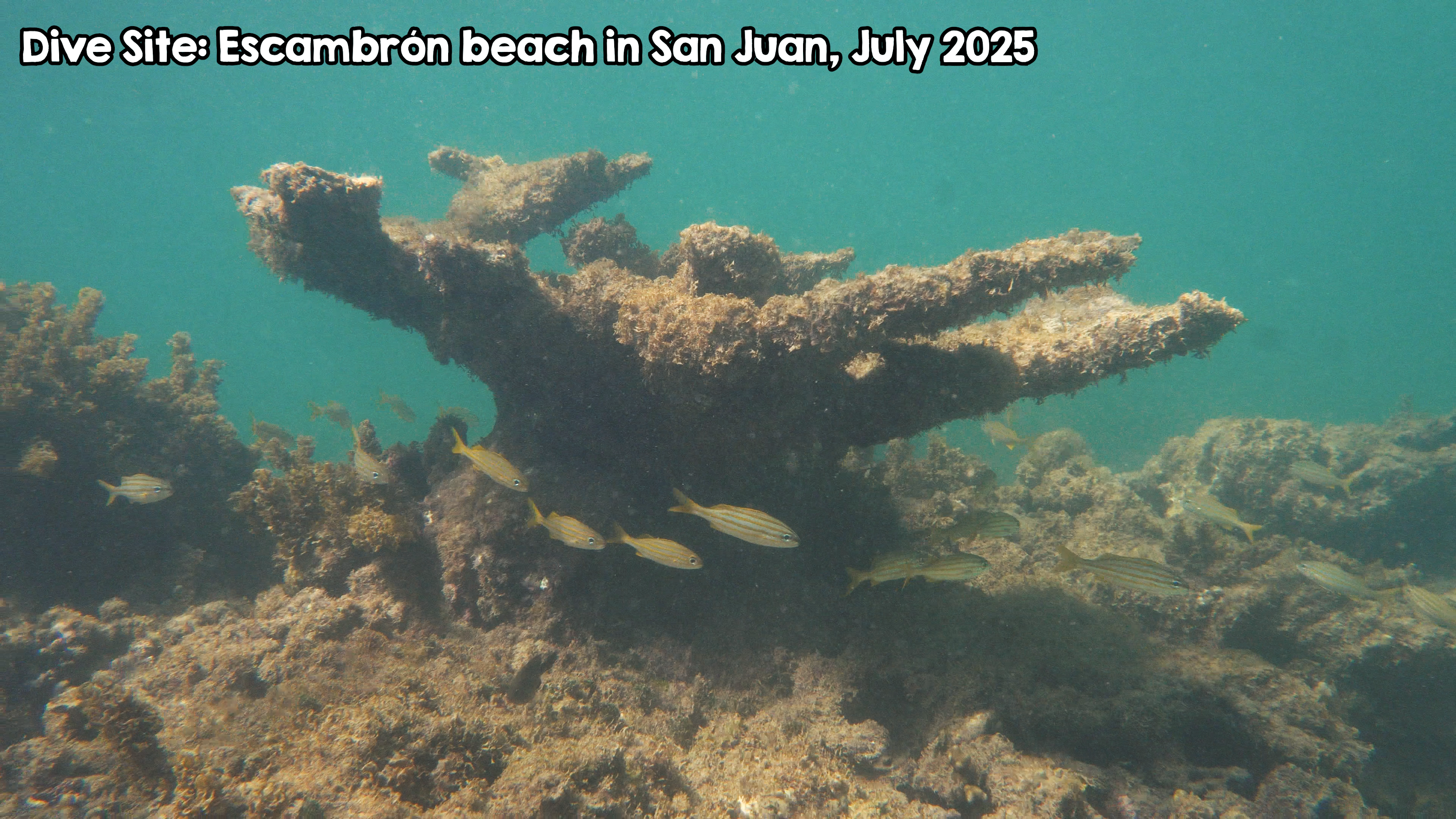
The second site was at Escambrón beach in San Juan. There was definitely a reef here at one point, but it died and got covered in algae. There was a dead elkhorn here, and its skeleton sheltered a small school of smallmouth grunt. Funny enough, these fish were the same species that were swimming around the lonely, healthy elkhorn in Key Largo. For them, this must be a post apocalyptic wasteland.
The sad truth is that we have lost approximately 30 to 50 percent of coral reefs worldwide, and in 100 years, tropical coral reef ecosystems may become extinct. In a sobering study, scientists have predicted that 70% of tropical Western Atlantic reefs, including the Florida Keys, will erode by 2040. If warming exceeds 2 ° Celsius, at least 99% of those reefs will erode by 2100. The consequences of such a loss would be catastrophic.
But that’s enough dooming. Nothing is hopeless, and despite the damage, the world’s reefs can be saved. Scientists have discovered that lab grown coral can withstand extreme heat. These lab grown corals have been bred for genetic diversity, giving them a fighting chance to adapt to our warming seas. Of course, to save coral for good, we’ll have to stop the Four Horsemen, especially climate change. It’s a tall order, but it can be done. In 2025, solar and wind eclipsed coal as a global energy source. While the world is reaching a climate tipping point, the energy industry is as well.

 Tidewater Teddy