
Before the Civil War, whaling was one of the few ways for African Americans to get ahead in a system stacked against them. Whaling fueled candles, lamps, machine lubricants, and even perfumes, making it one of the richest industries in America. However, it was also a brutal industry that sent men to sea for years, required dangerous, hard labor, and did not guarantee a living wage.
This made whaling unappealing for white men, so whaling merchants often recruited Black and indigenous men, who had few opportunities elsewhere. The sea granted these men freedom and power that they rarely had on land. For Black men in particular, life chasing whales on a grungy ship was better than life as a slave.
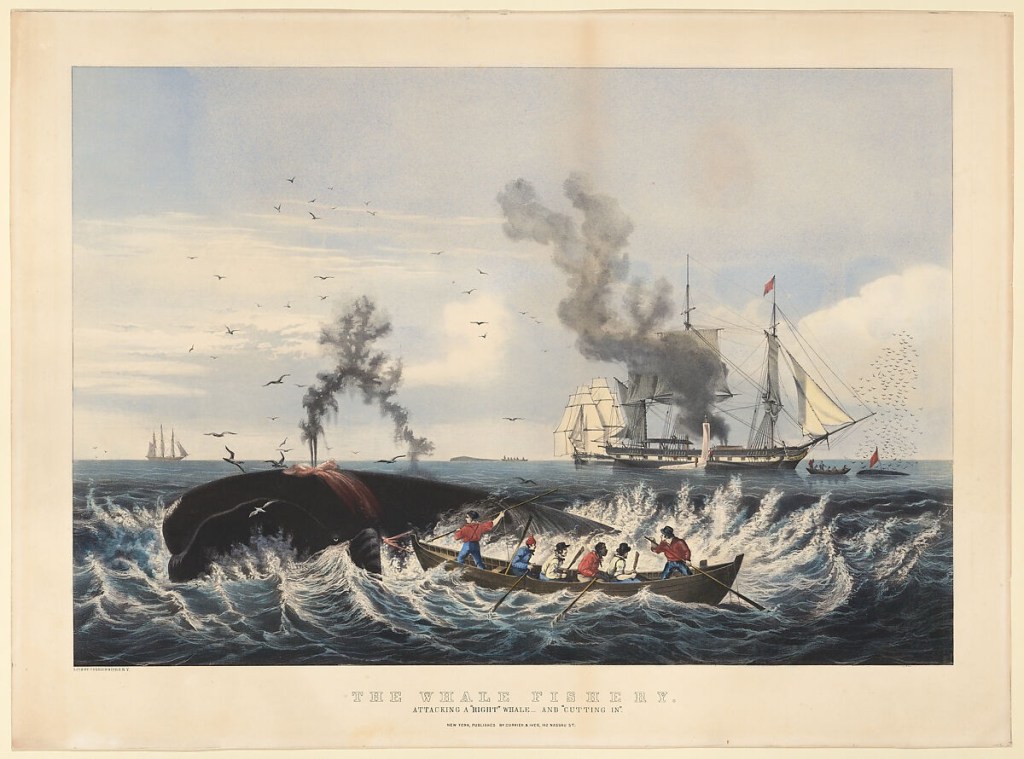
While artwork from the day shows mostly white faces, the reality was much different. Unlike life on land in America, whaleships had integrated crews of all races and creeds, and as many as 20-30% of all whalers were men of color. In fact, some ships were manned entirely by men of color. These multicultural men were crammed on small ships, where they had to work, eat, drink, sleep, and endure long voyages together, whether they liked each other or not.
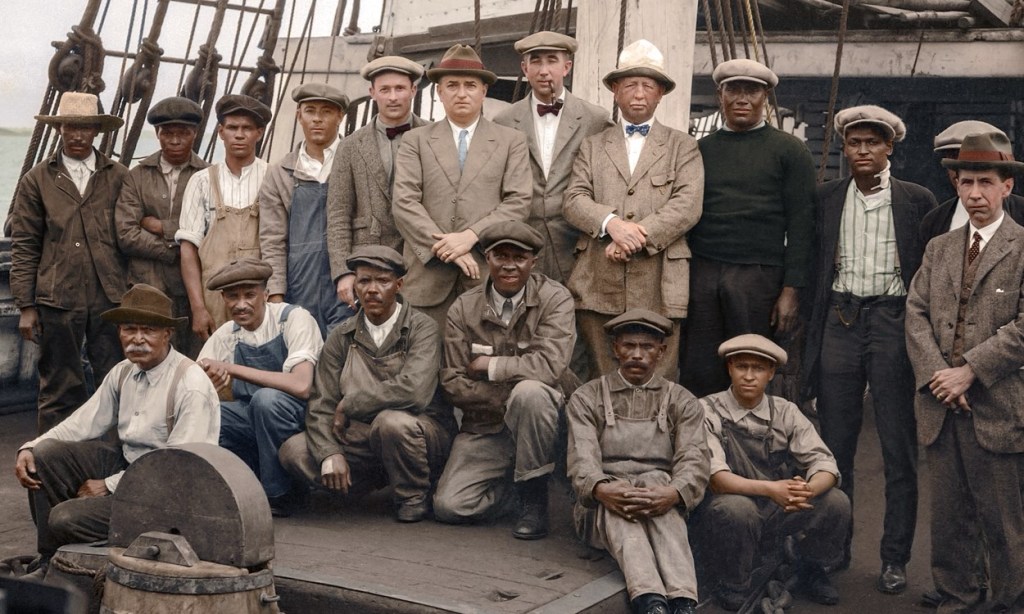
Those who could handle these grueling voyages were often able to move up the ranks. Boatsteerers were the men who harpooned whales, and Black and indigenous men were considered the best boatsteerers of all. Because the best boatsteerers often became ship captains, many Black men became captains decades before slavery ended, and they were just as feared and respected as any white captain.
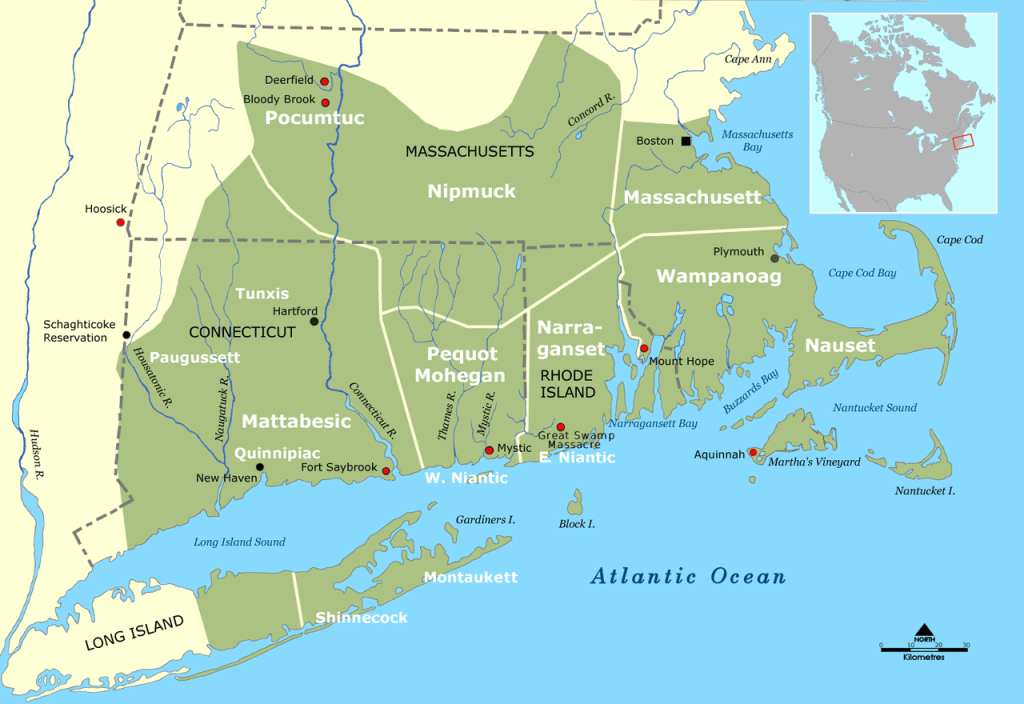
For 200 years, New England was the whaling capital of the world. Although commercial whaling has European origins, Native Americans in New England and Long Island taught white settlers how to hunt whales in the 1600s. As these Native Americans became increasingly marginalized and oppressed by white people, they found friendship with African Americans, and the two communities became intertwined.
Paul Cuffe – The First Black Whaling Captain
Because of these blended communities, many Black whalers, such as Captain Paul Cuffe, were of mixed African and Native American descent. Paul Cuffe, in particular, is famous because he used whaling to become the richest Black man in the United States. Let’s dive into his incredible story.
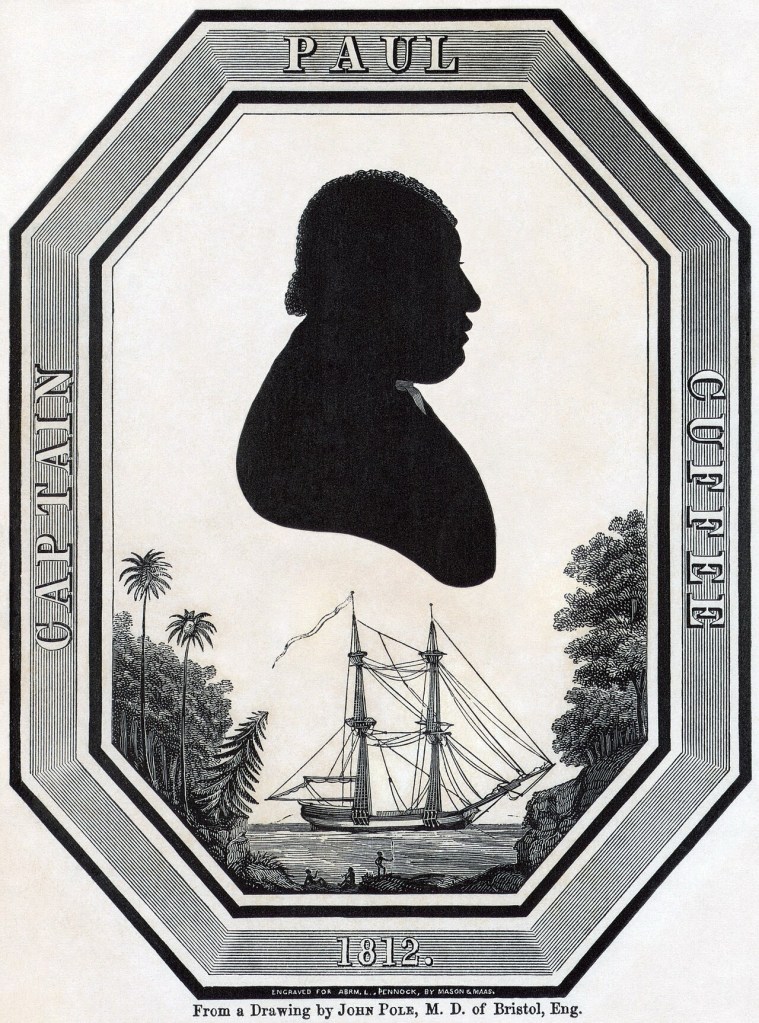
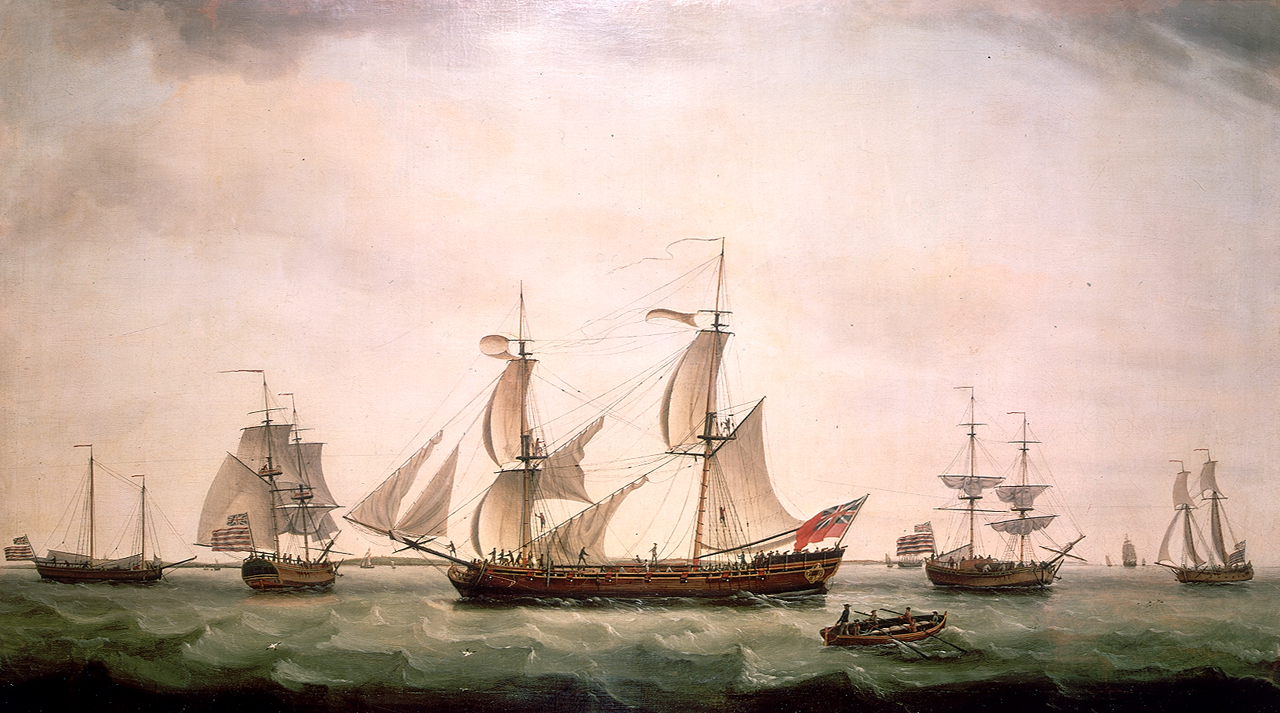
Born a free man in Massachusetts in 1759, Cuffe started sailing on whaleships in his teens in the early 1770s. During this time, he became a masterful navigator.
On one whaling voyage in 1776, he got swept into the Revolutionary War. He and his crew were captured by the British and were held as prisoners of war in New York City for three months. Once they were freed, he returned to the sea. In 1779, he used a small sailboat to sneak through the British blockade to deliver goods to Nantucket, eluding warships and pirates.
But Cuffe was not just a mariner; he was also an early advocate for civil rights. In 1780, as the Revolutionary War raged on, he and his brother refused to pay taxes because free Black people did not have the right to vote in Massachusetts, so they petitioned to government to end taxation without representation. Although they were unsuccessful, their efforts convinced the state to grant voting rights to all free male citizens three years later.
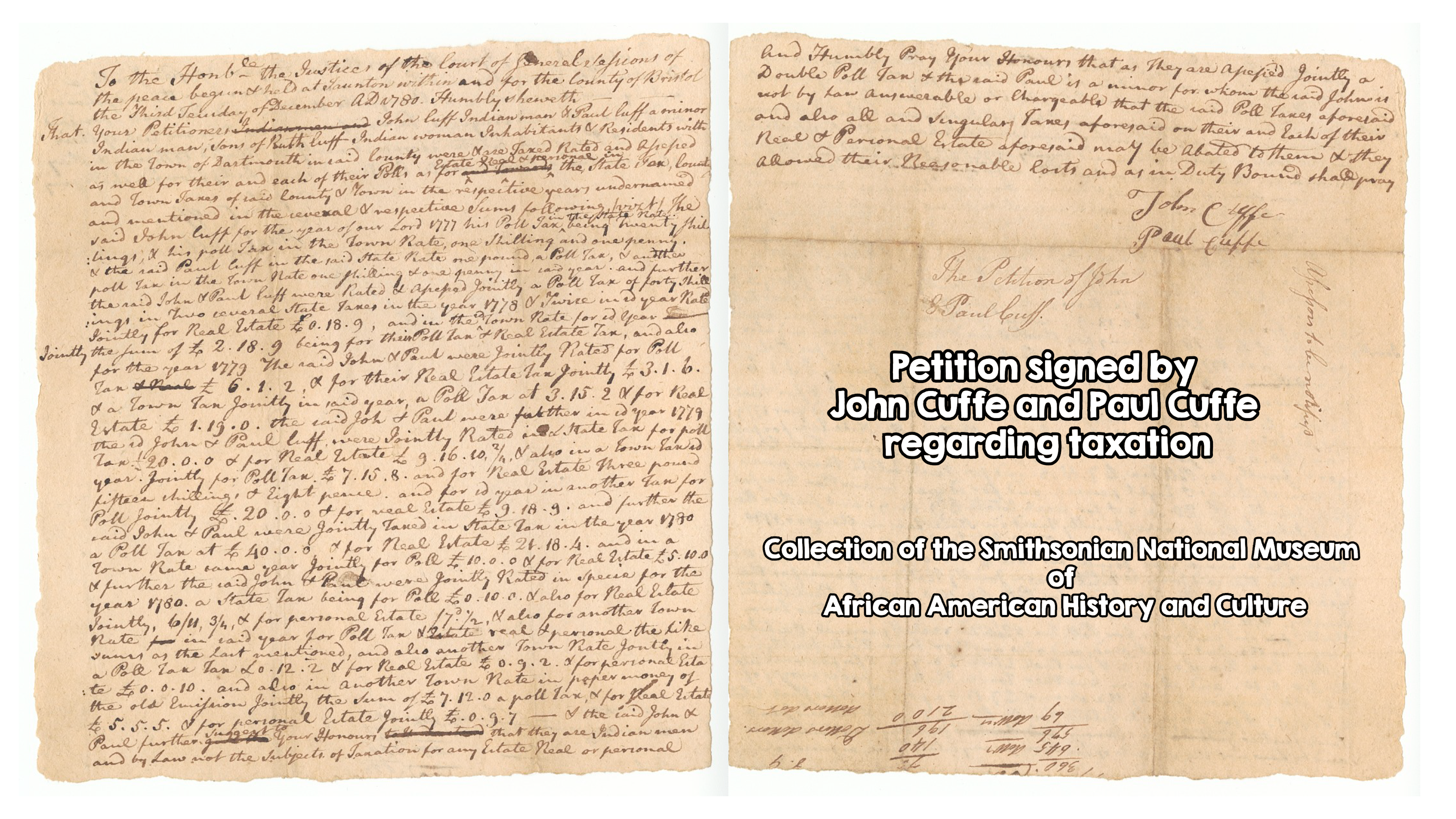
Collection of the Smithsonian National Museum of African American History and Culture
After the war ended, Cuffe and his brother-in-law, Michael Wainer, entered a partnership to establish a shipping business along the Atlantic Coast. Over time, they built up capital and expanded their fleet, and they even built their own shipyard. They started with small open boats, but they quickly worked their way up to schooners and even a 268 ton ship named Alpha. Of all of his ships, though, Cuffe’s favorite was a 109 ton brig named Traveller.

Some of the men’s ships were used for whaling while others were used for cargo transport or fishing. They were often crewed by their family members, filling their coffers with coins and securing generational wealth. Cuffe, though, was not a greedy man, and he used his money to lift up all people who were in need. In a historical slam dunk, he created and funded the first racially integrated school in the United States. Yet, he had further aspirations.

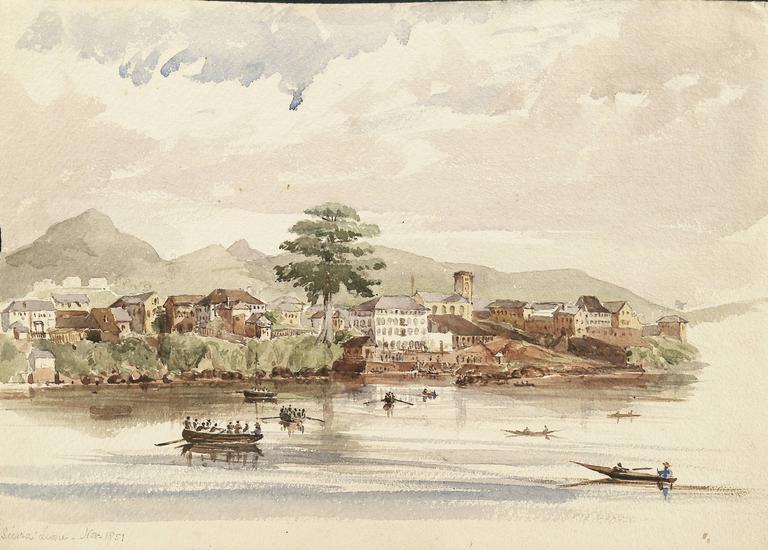
In the early 1800s, he became involved in a movement to build a colony of free Black people in Sierra Leone, which had been established by the British. In 1810, he sailed to Sierra Leone to see the state of the colony. There, he met with the colony’s Black entrepreneurs, and they founded the Friendly Society of Sierra Leone, which sought to increase prosperity and industry among the free peoples in the colony.
Despite his success, he did not receive a welcome party when he returned to New England in April 1812. Tensions between the U.S. and Britain had increased, and the U.S. had placed an embargo on all British goods, including those from Sierra Leone. U.S. Customs Agents seized his favorite ship, the Traveller, and all of her goods.
In response, Cuffe marched down to Washington, D.C., to appeal his case. There, he met President James Madison, who invited him to the White House. This may have been the first time a free Black man met with the president in the White House.
President Madison decided that Cuffe had not intentionally violated the embargo and ordered his cargo returned. Unfortunately, when the War of 1812 began, it interrupted travel and trade, and his finances were wrecked. On top of that, he had to abandon one of his ships in Chile because she was not seaworthy.
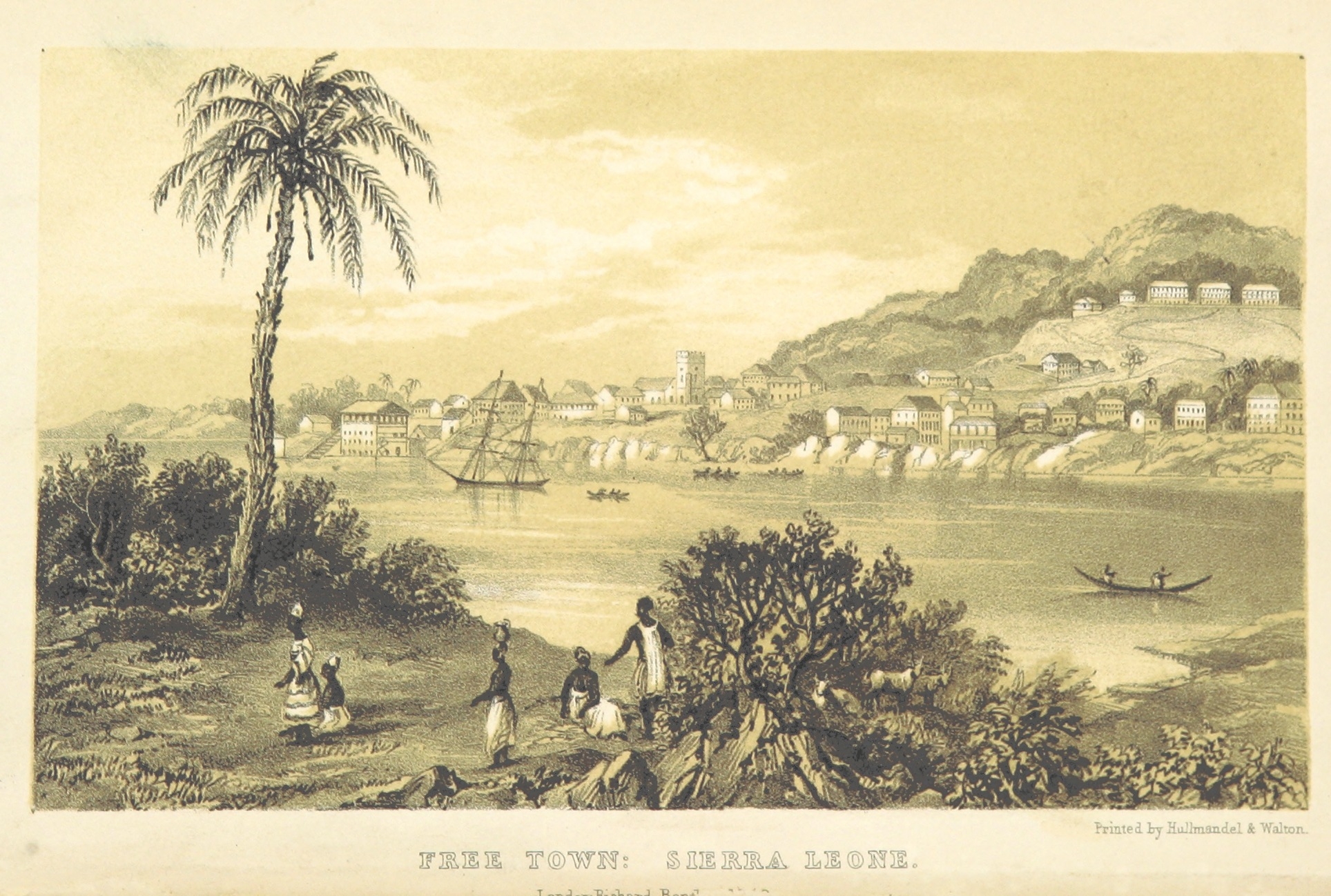
Once the war ended in 1814, he got his finances back in order and set out on his final voyage to Africa in December 1815. This time, he brought along thirty-eight free Black colonists: eighteen adults and twenty children. They arrived in Sierra Leone in February 1816. Cuffe himself considered moving his family to Sierra Leone, but his Native American wife wanted to remain in the land of her ancestors, so he returned to America and remained there until his death in 1817.
Cuffe may have been the first Black whaling captain, but he certainly was not the only Black man to make major waves in the whaling industry.
Absalom Boston
In 1822, Absalom Boston became the first Black man to captain a whaling ship with an all Black crew. Like many other whalers, he was of African and Native American descent, and he continued a long tradition of using whaling for upward mobility.
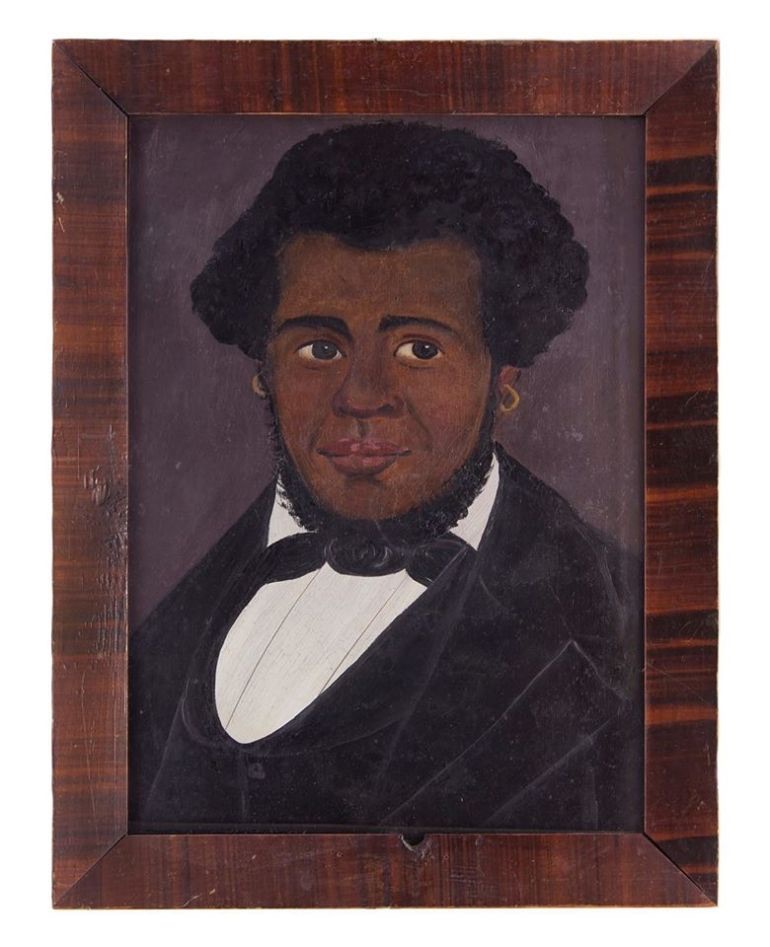
Captain Boston and his crew embarked on a six month voyage aboard their ship the Industry and returned home with 70 barrels of whale oil and the entire crew safe and intact. After their historic venture, Boston retired from the sea and focused on becoming a business and community leader. He joined forces with a fellow captain named Edward Pompey to lead the Nantucket abolitionist movement.
In 1845, he successfully sued the Nantucket government to integrate the public school system over 100 years before Brown vs the Board of Education. By the end of his life in 1855, he was quite wealthy and owned a lot of real estate, including an inn, a store, and multiple homes.
Temple’s Iron

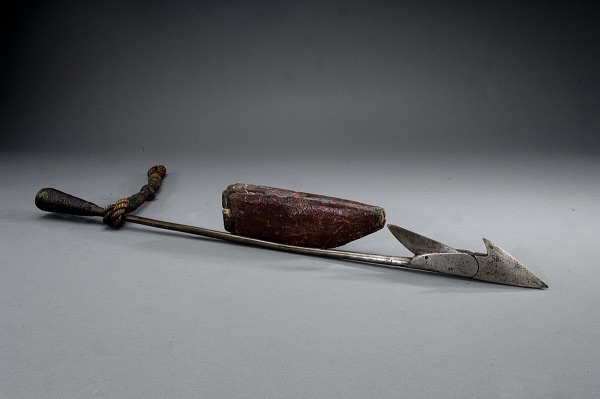
A statue honoring Lewis Temple stands in front of the New Bedford Free Public Library. Photo courtesy: NPS
A few years after Absalom Boston’s historic voyage, another Black man named Lewis Temple revolutionized the whaling industry. In 1835, Temple invented a harpoon toggle tip that prevented whales from pulling free. Known as “Temple’s Toggle” or “Temple’s Iron”, it was based upon Inuit and Native American harpoon tips and was quickly adopted by many whaling ships. Unfortunately, Temple never patented his invention, so other people stole his design and sold it as their own.
Pyrrhus Concer & The Pacific
As whale populations decreased, American whaling ships explored new whaling grounds in the Pacific. While sailing south of Japan in 1845, the whaleship Manhattan rescued 22 shipwrecked Japanese sailors. Serving as crew aboard the Manhattan was a Black sailor named Pyrrhus Concer.
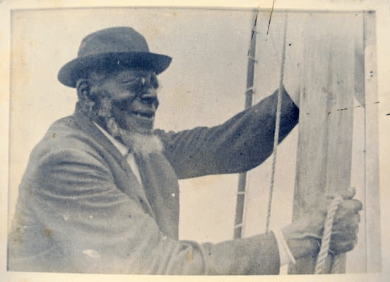
At that time, Japan was closed to the world, but the Manhattan needed to return the Japanese sailors home, so they headed north to Tokyo. In a rare decision, Japan allowed them to enter Tokyo Bay, making them the first American ship to visit Tokyo.
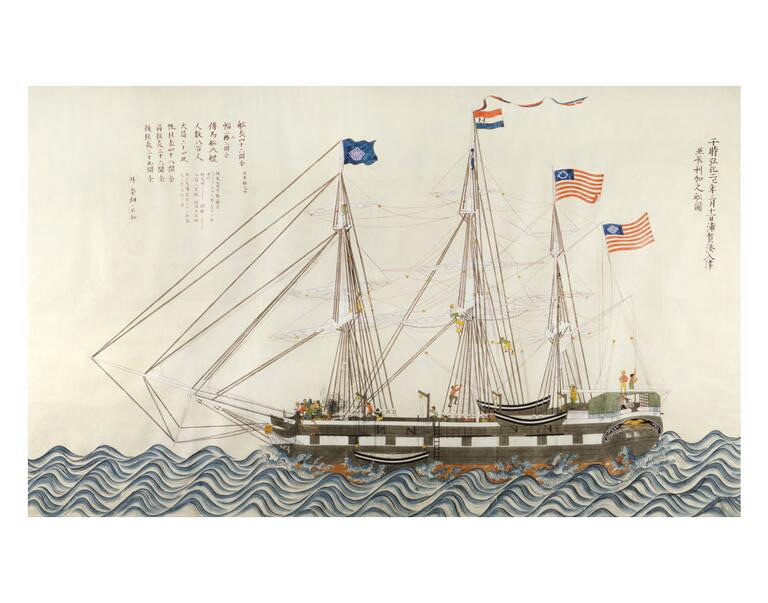
However, the Japanese did not allow any of the whalers to set foot on land. Instead, they boarded the ship to greet them. Pyrrhus Concer and a Shinnecock Native American man were of particular curiosity to the Japanese, and they were depicted in drawings of the event.
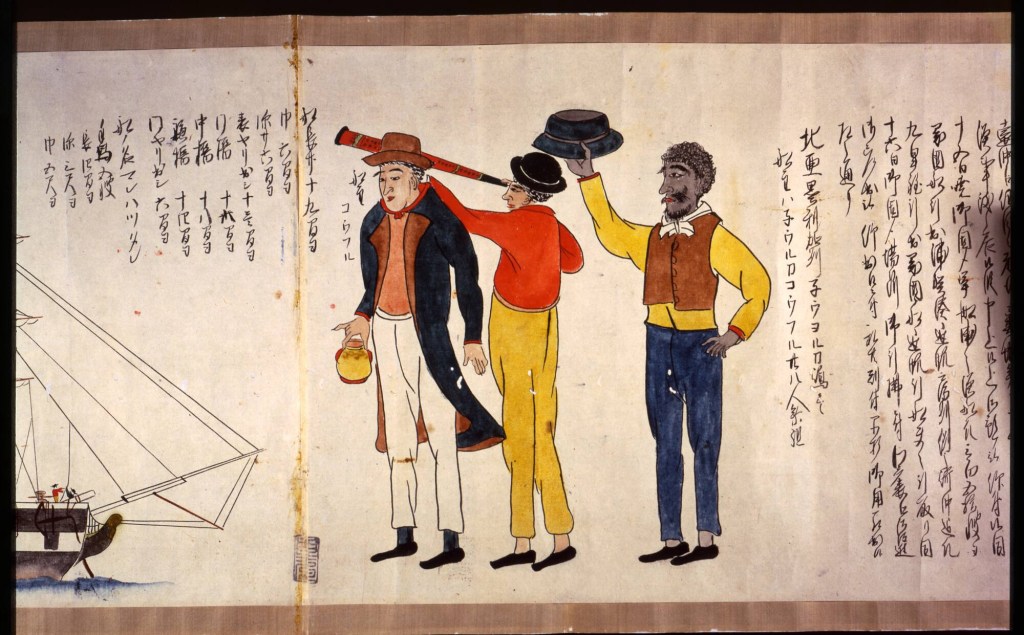
Pyrrhus Concer is depicted on the right.
Courtesy of the New Bedford Whaling Museum
After his historic voyage, Concer returned home to Long Island. There, he bought a house, started numerous businesses, and became very wealthy.
The Decline of American Whaling
American whaling peaked in the mid 1800s and steadily declined after that. In that same time period, the Civil War changed the nation forever. African Americans across the United States finally gained their freedom and could find better opportunities outside of whaling.
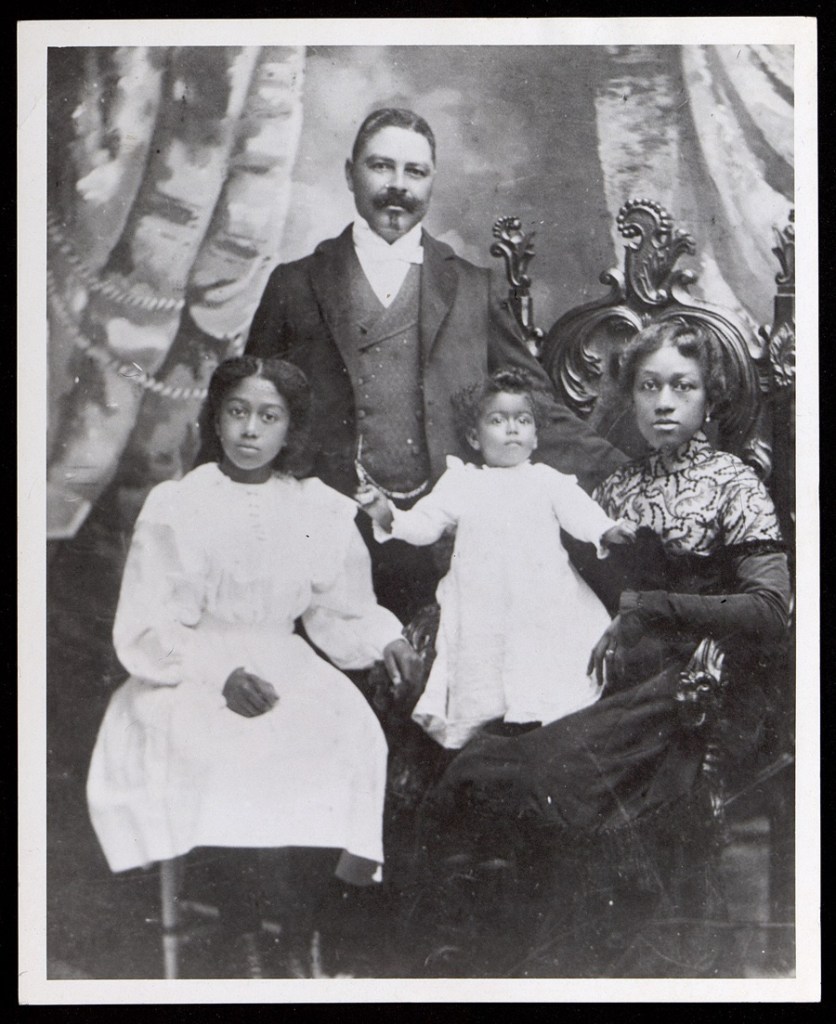
However, some men of color remained in the whaling industry. Captain William T. Shorey was one of those men. Starting in the 1870s, Shorey worked his way up from cabin boy to captain. He became know as “Black Ahab” and was the only Black captain on the west coast of the United States. Like previous whaling captains, his crews were diverse and talented, and he made a fortune hunting whales at sea.
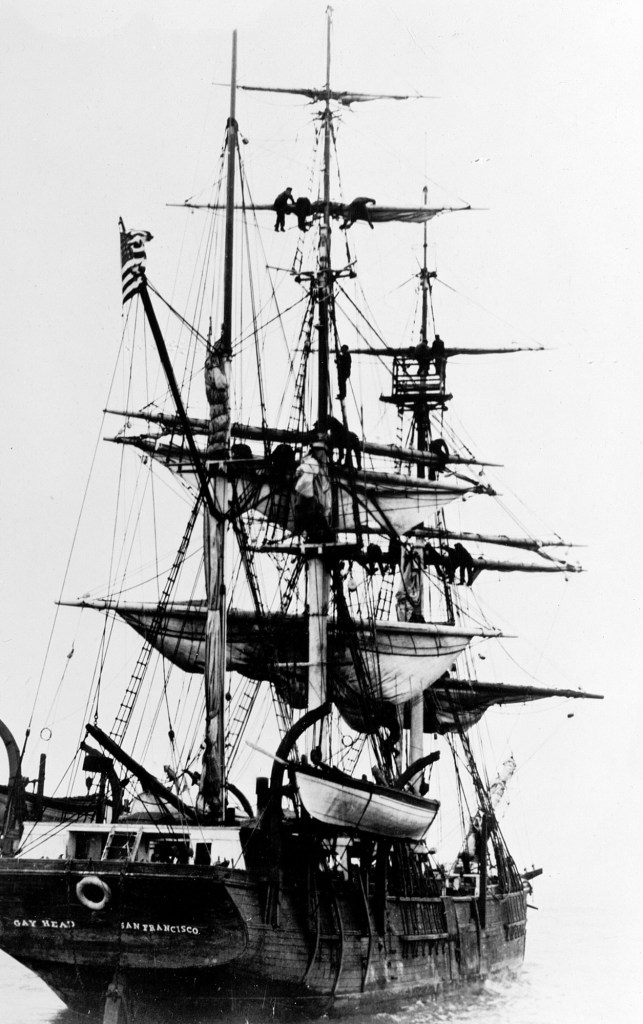
By the time Captain Shorey retired in 1908, American whaling was on its way out. The last successful American whaling voyage left New Bedford in 1927. Photos of whaling crews from the 1920s reveal that the ships remained diverse until the end. Today, whaling may be gone, but the men of color who helped build the industry left an everlasting legacy.
Further Resources
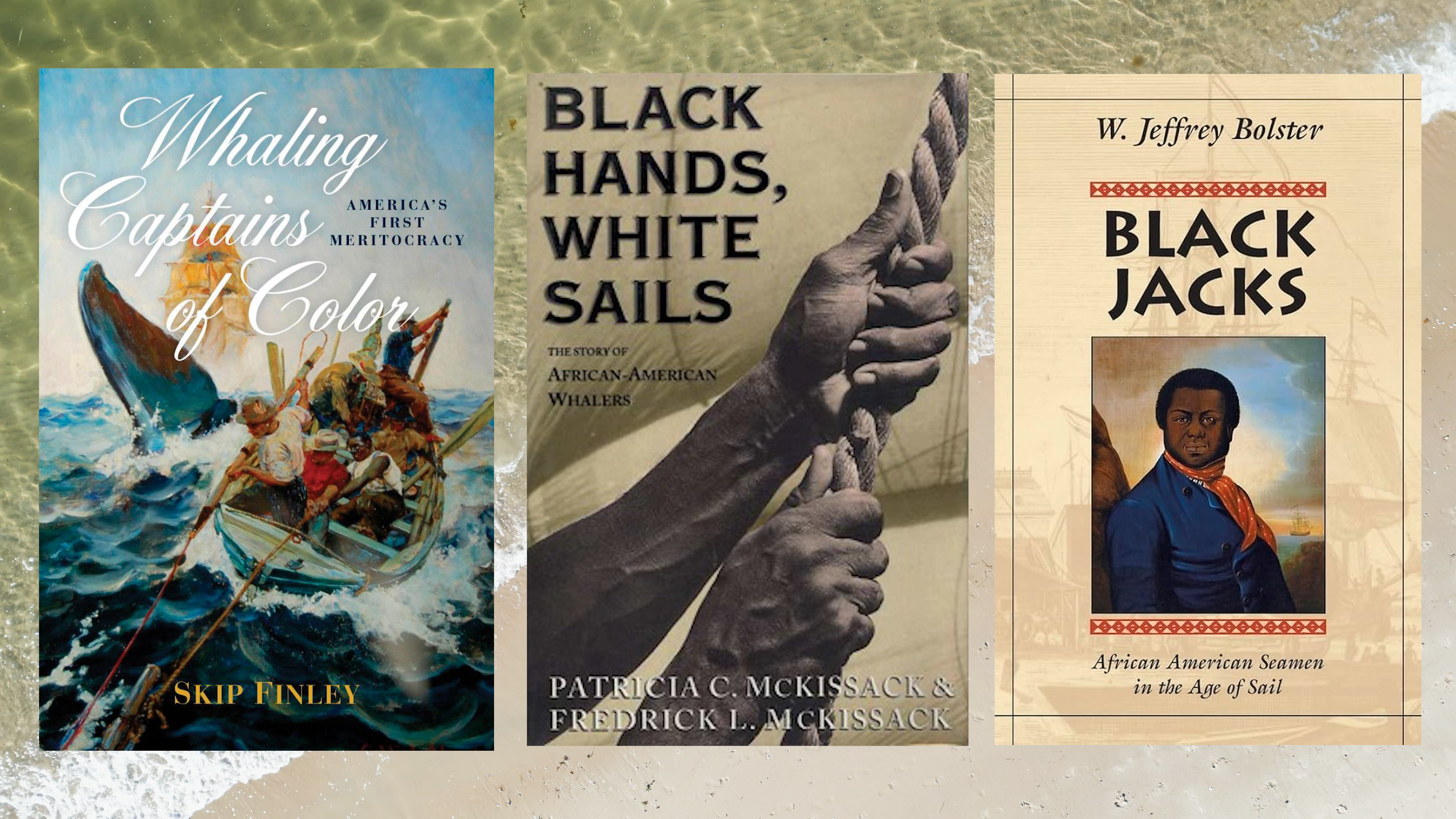
To learn more about Black whalers, I recommend reading these books:
1. Whaling Captains of Color by Skip Finley
2. Black Hands, White Sails: The Story of African-American Whalers by Patricia and Frederick McKissack
3. Black Jacks by W. Jeffrey Bolster

 Tidewater Teddy