
How do you setup an aquarium without dooming your fish? You just get a tank, fill it with water, and add some fish and decorations, right? Wrong. There are a few extra steps. I’m only talking about freshwater tanks here because saltwater tanks are on another level.
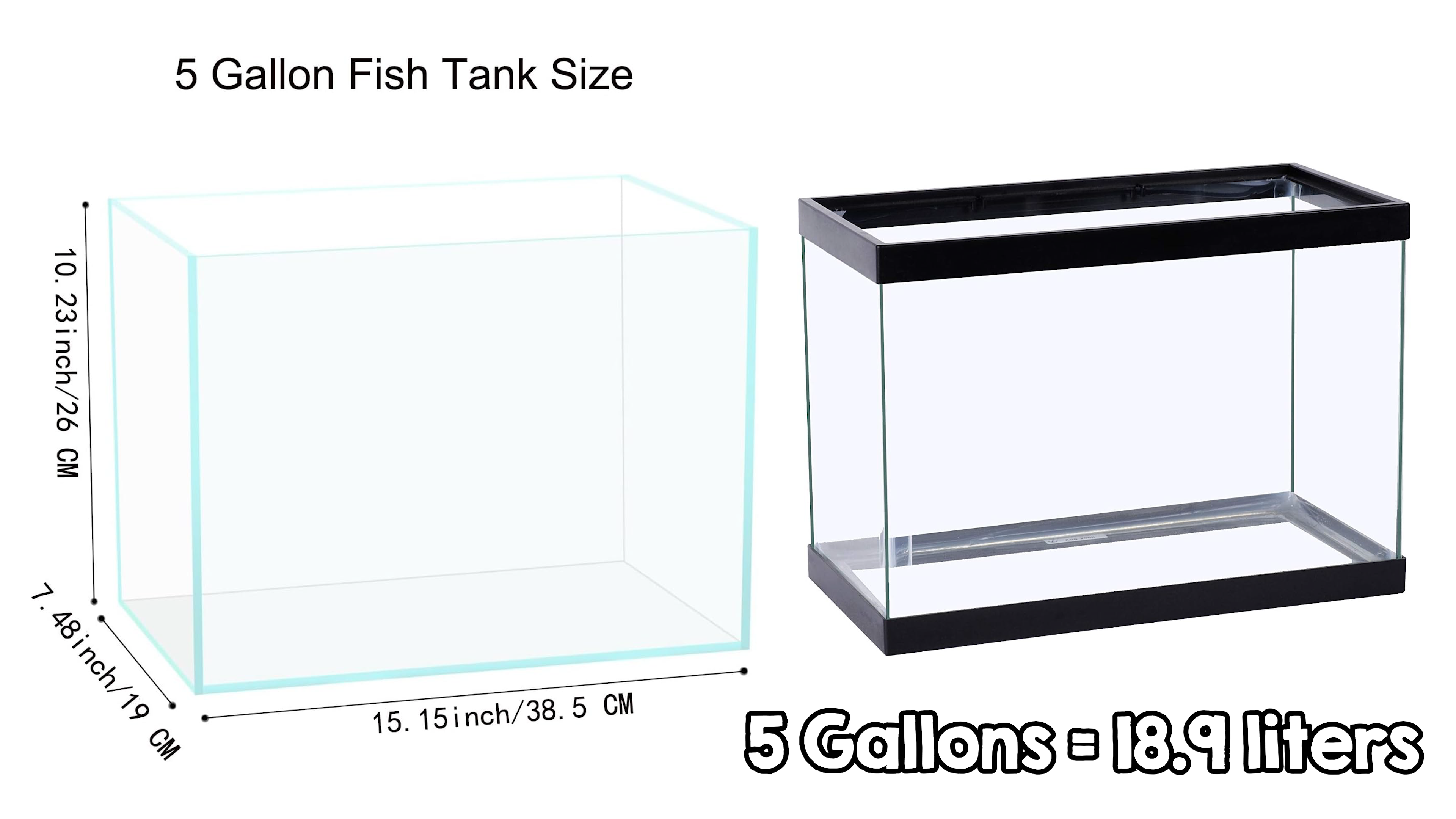
First off, think about the fish you want; then, go from there. You need a tank that can fit the fish. Fishbowls are way too small for anything but a few shrimp. If you want fish, get something that is 5 gallons and up. If you’re not American, that is 20 liters and up.
Bettas are often kept in tiny tanks and bowls, but that’s like keeping a dog in a tiny pen all day. And don’t even get me started on goldfish. They get HUGE, so generally, the best tank for them is a pond, although they can be kept in bigger tanks.
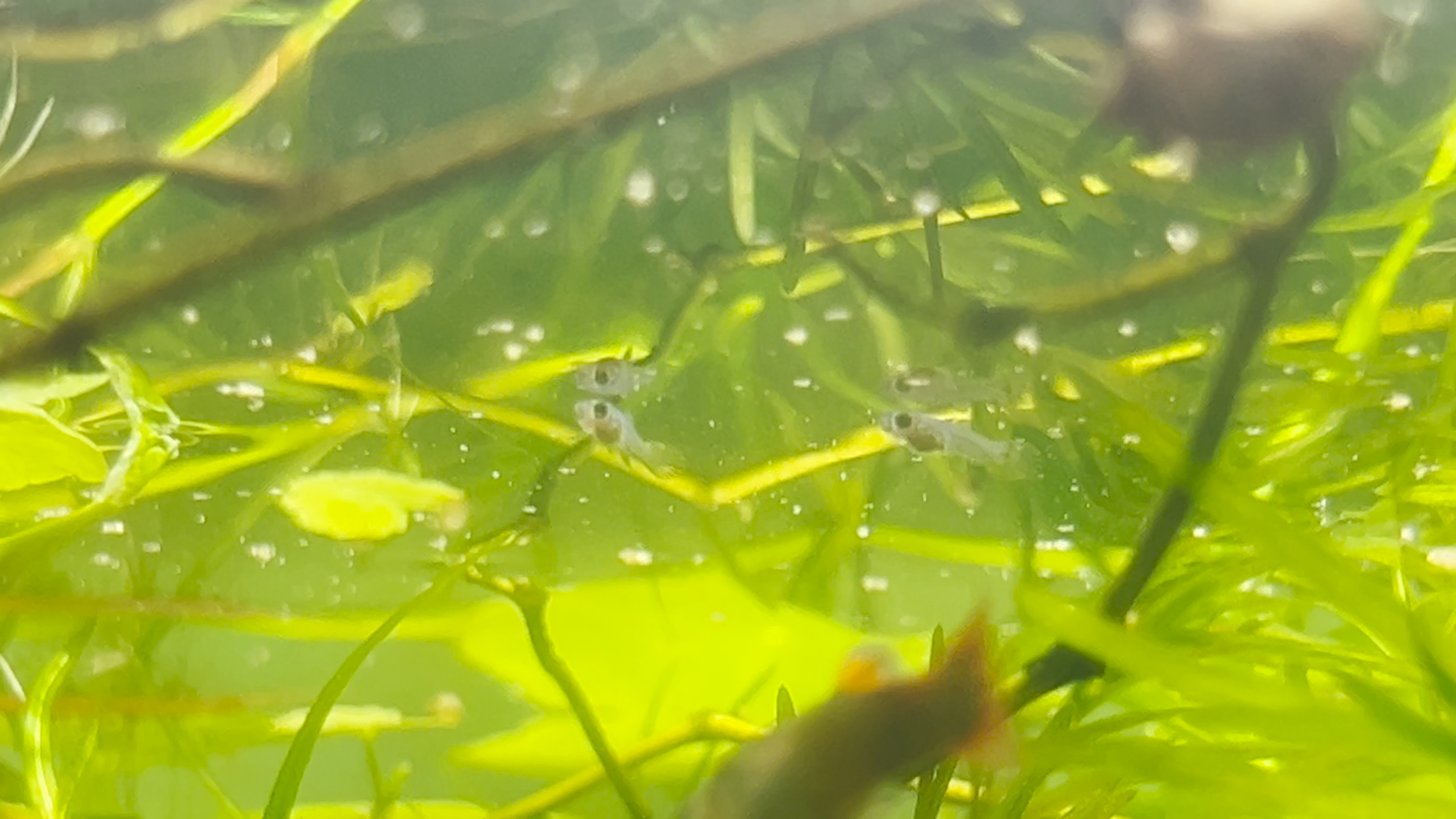
There are many other fish that are just as (if not more) beautiful than goldfish that are smaller and less of a hassle. Guppies, mollies, and platys are a popular choice because they come in all sorts of beautiful colors and are common at pet stores. But, bear in mind, these fish breed constantly and give live birth, so they can quickly overcrowd a small tank. Less than a month after adding guppies to our 29 gallon tank, baby guppies started appearing near the surface.
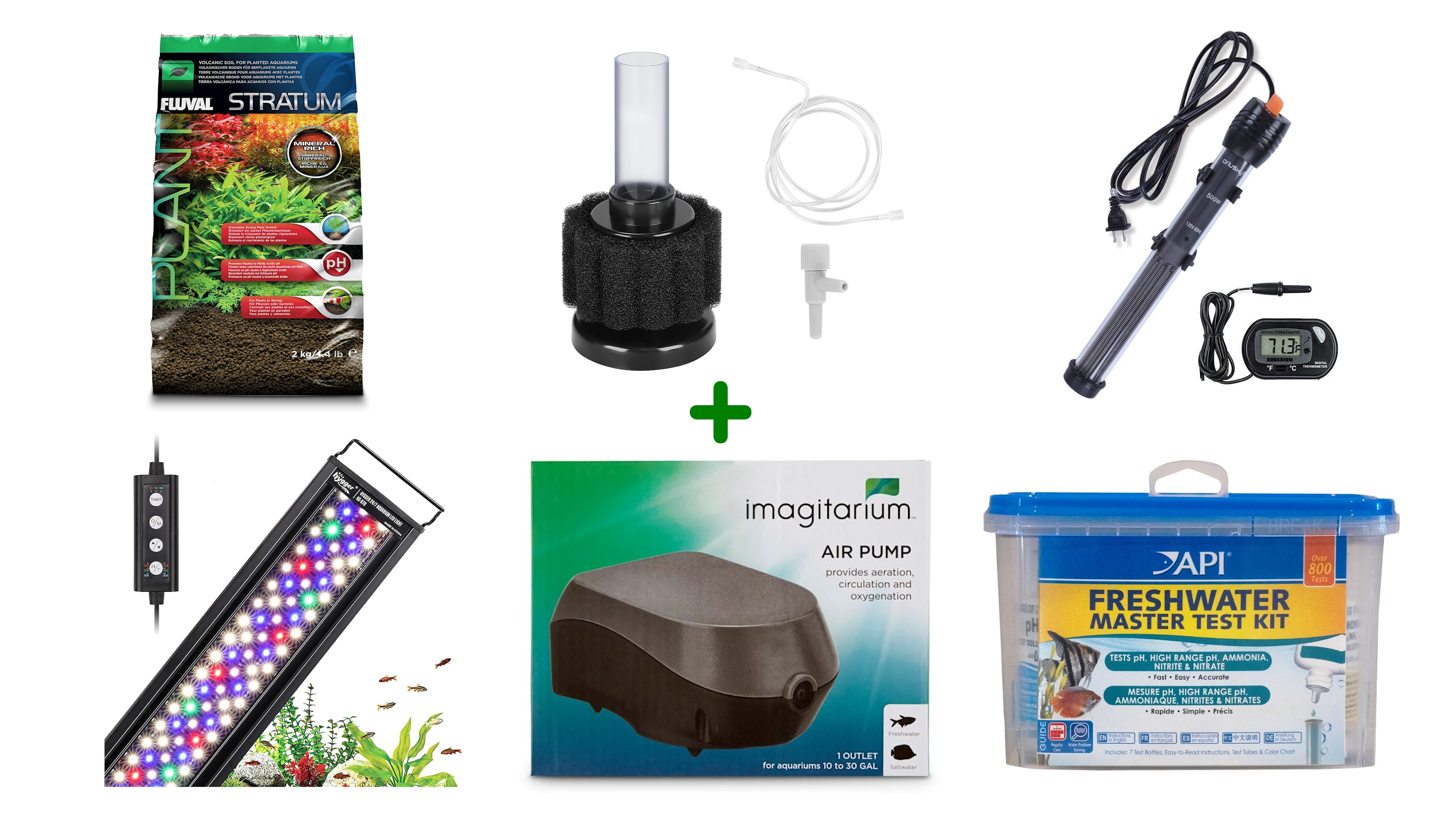
Once you’ve got an idea of the fish you want, get the tank and the accompanying aquarium supplies. You’ll need substrate, a light, a filter, a heater, and a testing kit. You should also get some live plants and other places for fish to hide. The plants will help keep the tank clean and oxygenated.
A tank lid is optional, but I recommend one because fish jump, and water evaporates. Water evaporation can increase humidity in your house and encourage mold growth. A tank stand is also optional, but if you decide to use furniture already in your home as a stand, it needs to be strong enough to hold the weight of the water.
Lastly, you’ll need water. You can use tapwater from your house, but you’ll need a water conditioner to remove the chlorine and toxic chemicals from it. If you plan to add shrimp or other invertebrates, make sure the water is free from copper because copper is deadly to invertebrates. If you want to skip the water conditioner, you can buy big bottles of spring water or distilled water and fill your tank with those. If you use distilled water, though, you’ll need to add minerals.
Okay. It’s time to setup your tank. Place the tank and make sure all four corners should be flat and even. There should be even pressure on all four corners of the tank. Once you’ve got your tank setup, add your substrate. Aquasoil and sand are a good combination for plants.
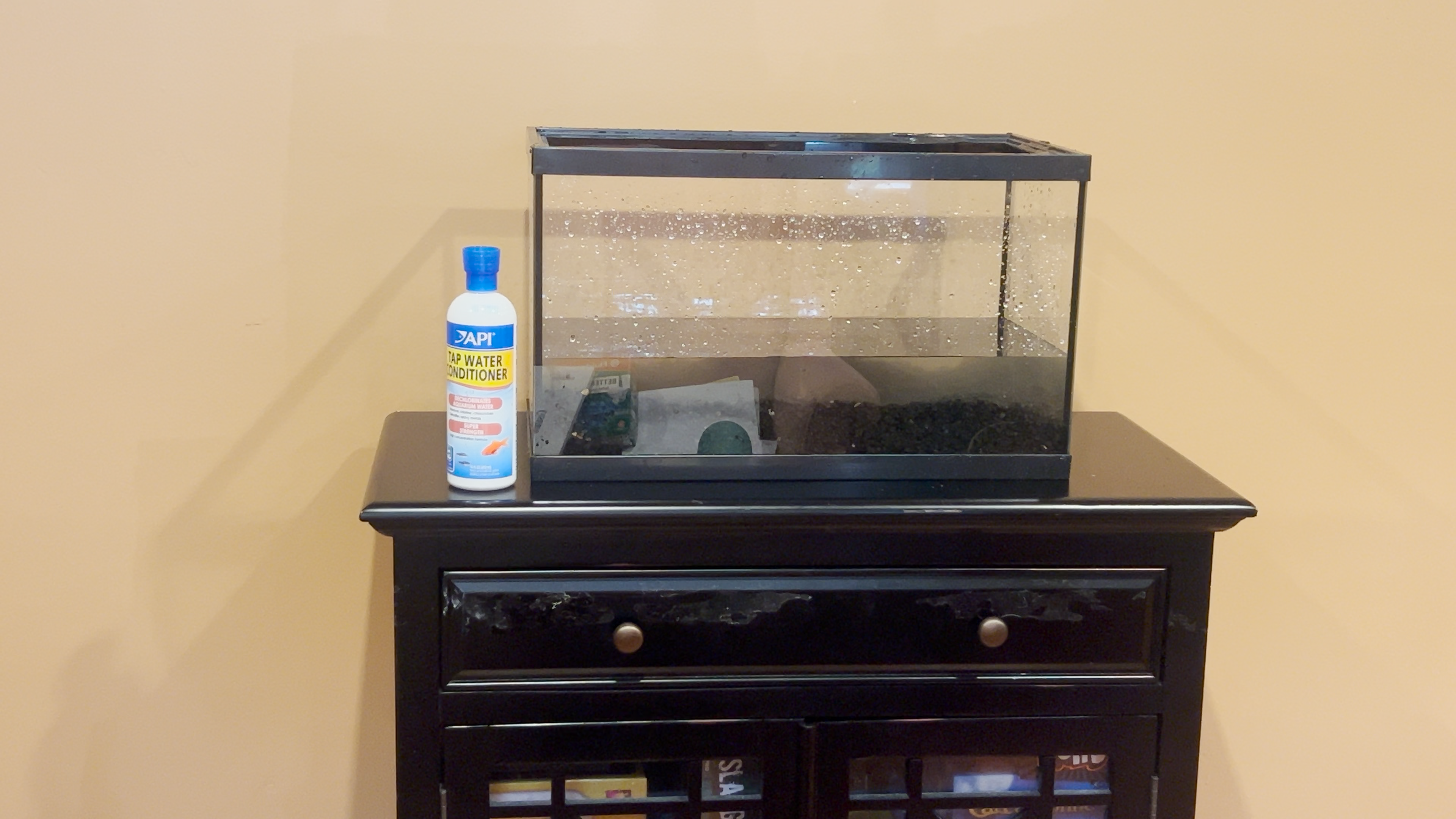
The next steps don’t need to be in order. You can fill your tank first, or you can add your plants, filter, and heater first. However, do NOT plugin your heater when there’s no water in the tank because it can overheat and explode.
If you got a lid, put it on top of your tank. Many lids have a small plastic strip at the back that needs to be cut to accommodate your filter and heater, so make sure you take care of that first.
Lastly, plop your light on top of your tank. This will be critical to the survival of your plants, and the overall health of your tank.
Now, we wait. Your tank will need time to go through a process called “cycling”, which is named after the nitrogen cycle. This cycle is important because it establishes beneficial bacteria that takes care of fish poop, which can cause deadly ammonia spikes. To monitor your tank’s progress, you’ll need to use your test kit to check for high levels of ammonia and nitrates. Once those levels are low or gone, your tank is fully cycled.
Cycling can take weeks or months, so you’ll have to decide how long your willing to wait before adding fish. You have two paths: fish-in cycle or fish-less cycle.

If you choose fish-in cycle, you can add fish right away, but you can only add a few to start. You’ll have to test your water daily and make water changes, if necessary, but you can buy bottled bacteria to jumpstart the nitrogen cycle.

The other method is the fish-less cycle, which can take a bit longer. First, you add some fish food, decaying leaves, and/or bottled bacteria. Once again, you’ll need to use a test kit to check your ammonia and nitrate levels.
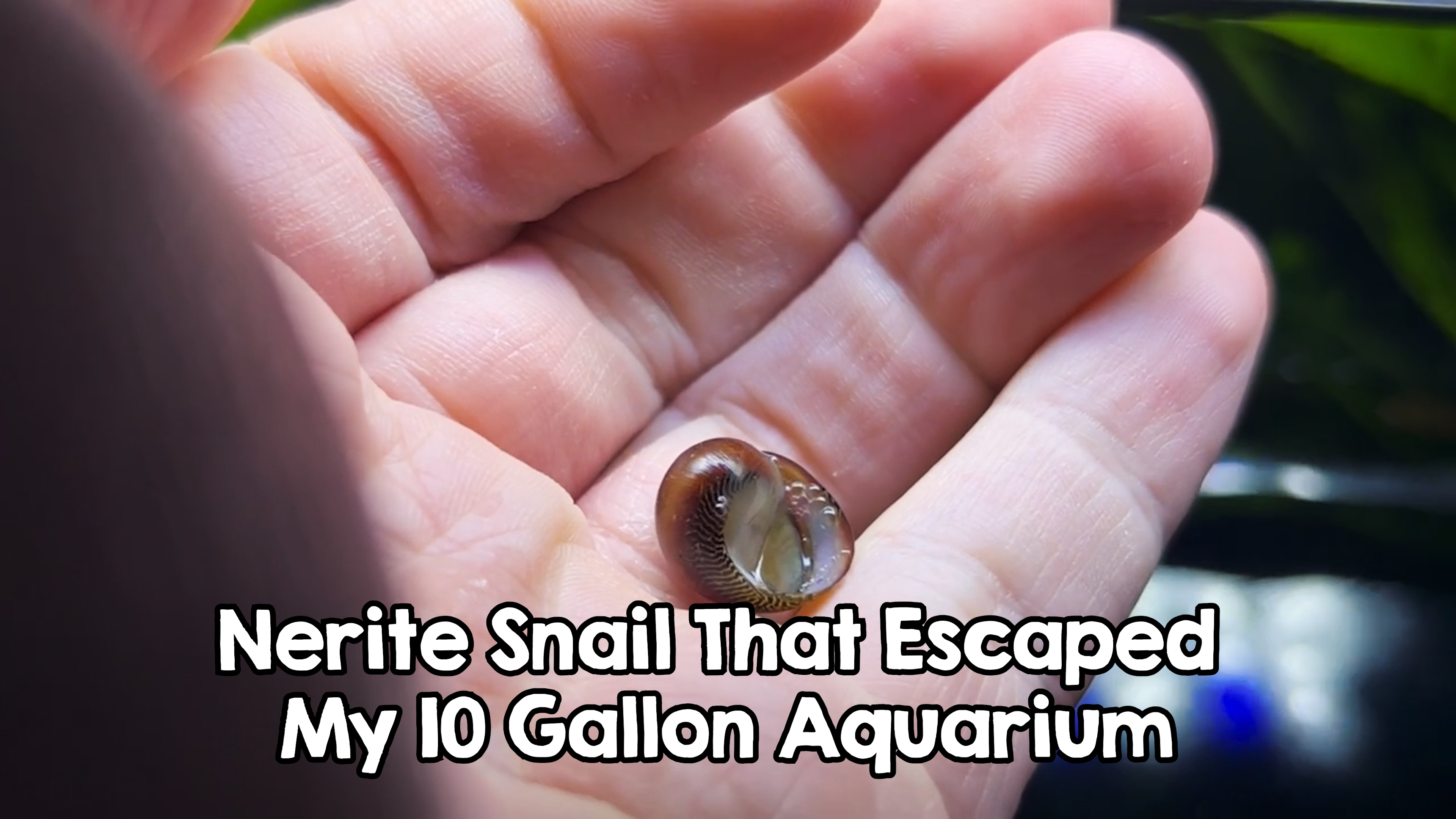
Once your water parameters look good, your tank is ready for business! I can’t give you specific advice on how many fish you can add, but if you want a lot of fish, I recommend getting smaller species like tetras, rasboras, and minnows. If you want some natural algae control, get some shrimp and snails.

When you add your fish, you need to acclimate them to the temperature and conditions of the tank. To reduce fish stress, you should turn off the tank’s lights and float your fish in their pet store bag for 15 to 20 minutes. You can also cut the top of the bag and add some tank water.
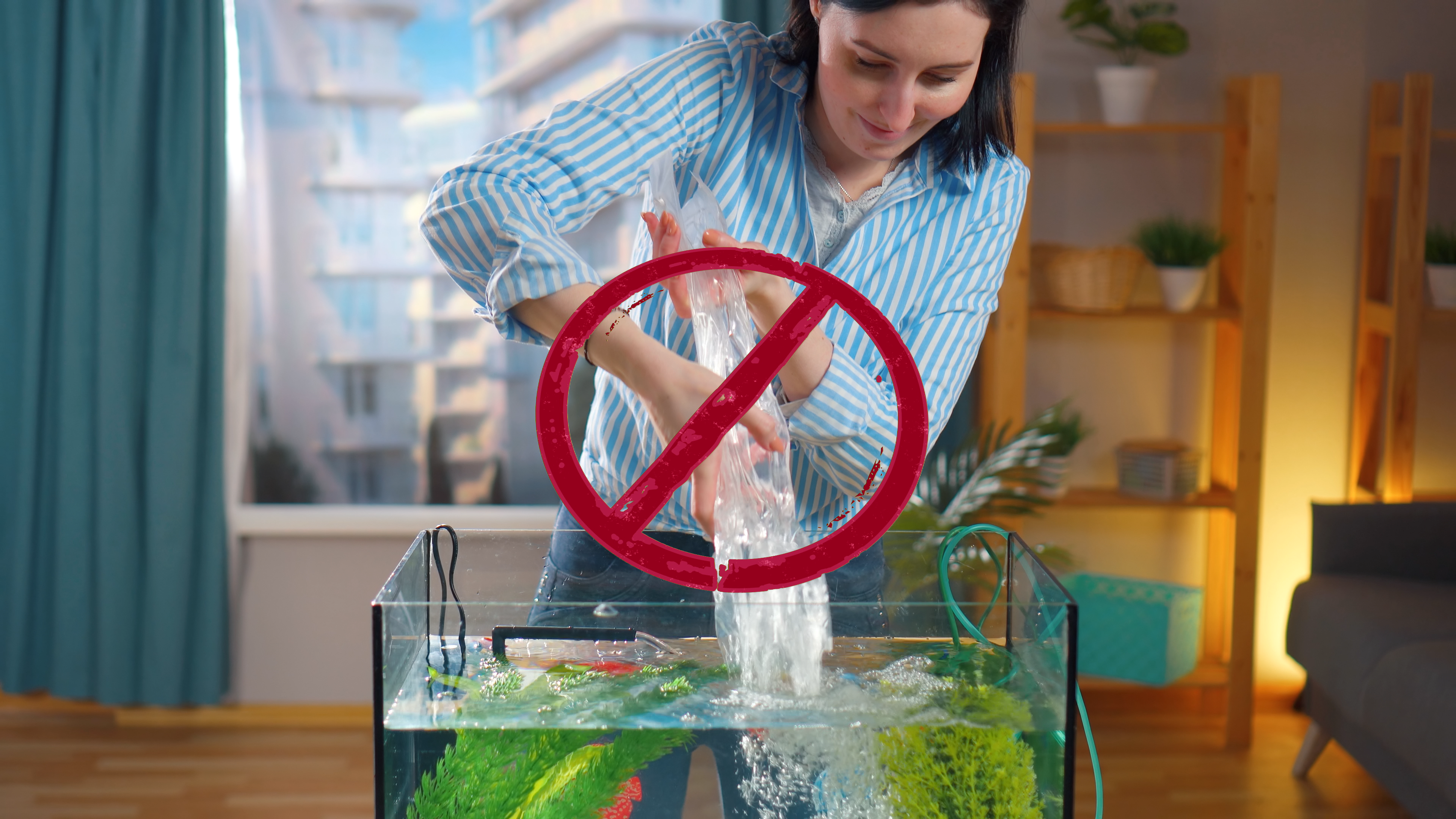
When you add the fish, do NOT dump them out of their bag. You do NOT want the pet store bag water getting into your tank because it can mess up the water quality. Instead, use a net to scoop the fish out of the bags and put them in the tank.

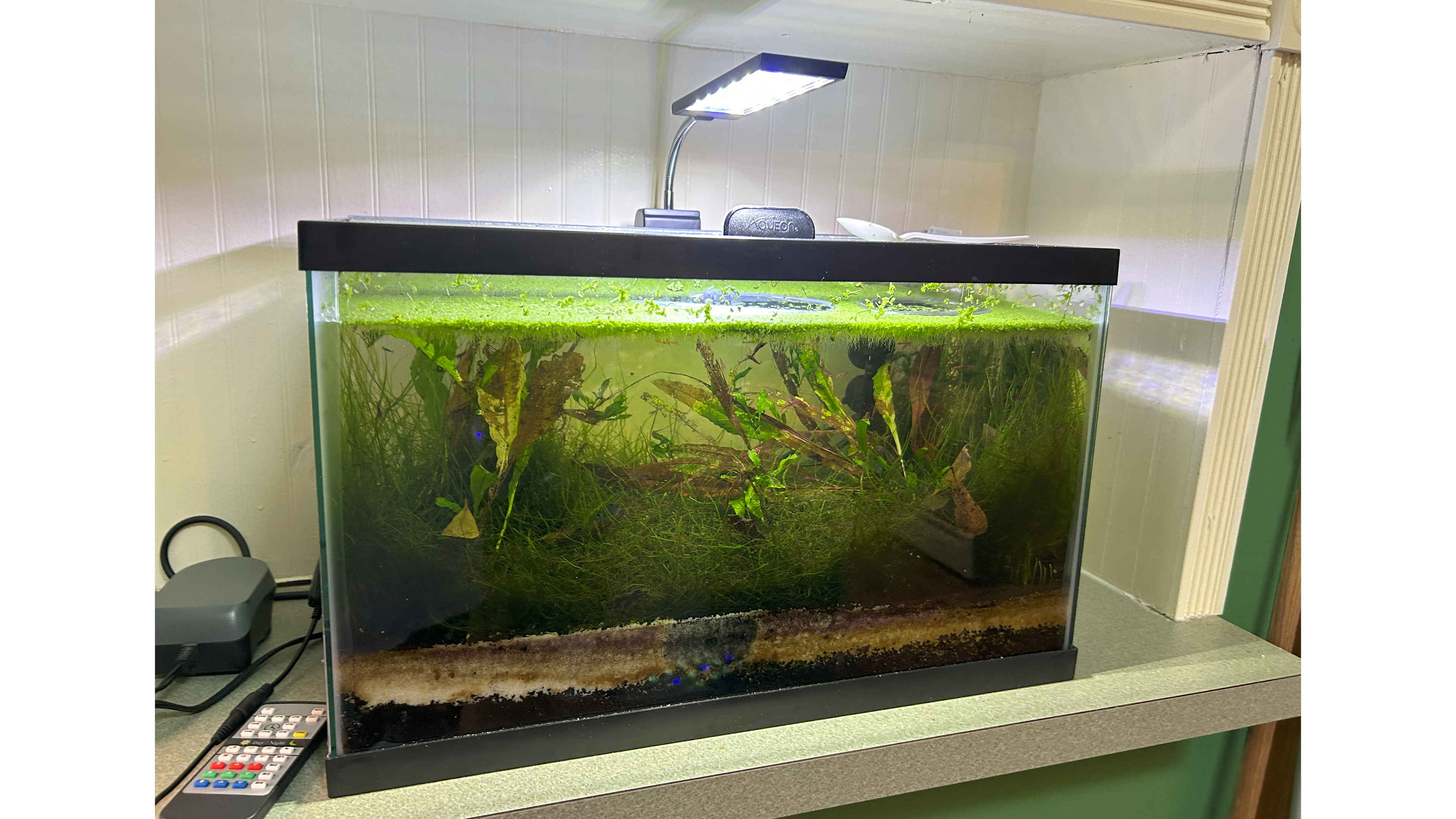
Now, I’m not going to give advice on maintaining your tank because every tank is different. Some tanks are almost self-sustaining while others require constant attention. It depends on your preferences. Look at these tanks here. The ones on the left have a lot of plants, and the ones on the right have no plants. Guess which ones requires more attention? The ones without the plants.

Personally, I take a more naturalistic approach because I want my tanks to be as low maintenance as possible. If you want to use this method, add as many plants as you can, and keep fewer fish. This adds oxygen and subtracts ammonia. You can go down a rabbit hole of low maintenance, low tech tanks, but I’m not going to cover that here. Enjoy your new aquarium!
If you liked this article, please give it a like, leave a comment down below, and follow Tidewater Teddy. Thanks, and have a great day!

 Tidewater Teddy