
Does life exist on other planets? Probably, but we haven’t found it yet. However, our own planet Earth is home to otherworldly organisms that can survive extreme conditions, including the vacuum of space. These creatures offer us a glimpse into what we can expect from alien lifeforms.
Tardigrades (aka Water Bears)
First up are Tardigrades, which are also known as water bears. These microscopic animals look like mini-aliens, and they are tough as heck. They can endure extreme heat and cold, extreme high and low pressures, air deprivation, radiation, dehydration, and starvation. Obviously, these talents are useful in space.
In 2007, water bears were launched into low Earth orbit and exposed to the vacuum of space for 10 days. Some were also exposed to solar ultraviolet radiation. When they were brought back to Earth, 68% of the water bears exposed the the vacuum of space survived and were able to lay eggs. However, those that were also exposed to the vacuum of space AND full solar UV radiation did not do well. Only three survived these harsh conditions.

What’s cool about water bears is that, in space, they enter their own version of suspended animation. When there’s no water, they dehydrate and basically turn into sleepy raisins. When they’re placed in water again, they re-hydrate and spring back to life.
In 2019, an Israeli satellite carrying a group of water bears crash landed on the moon, stoking fears that they could colonize it. However, there is no liquid water on the moon that could re-hydrate them, so they likely did not survive.
Lichens
Next up on our list of space cadets: lichens. Lichens already look like they come from an alien world, and they inhabit the harshest regions on Earth, so it’s no surprise that they are suited for space. These bizarre beings are formed when fungi team up with algae or cyanobacteria. The fungi provide shelter, water, and minerals, and the algae and cyanobacteria provide food using photosynthesis.
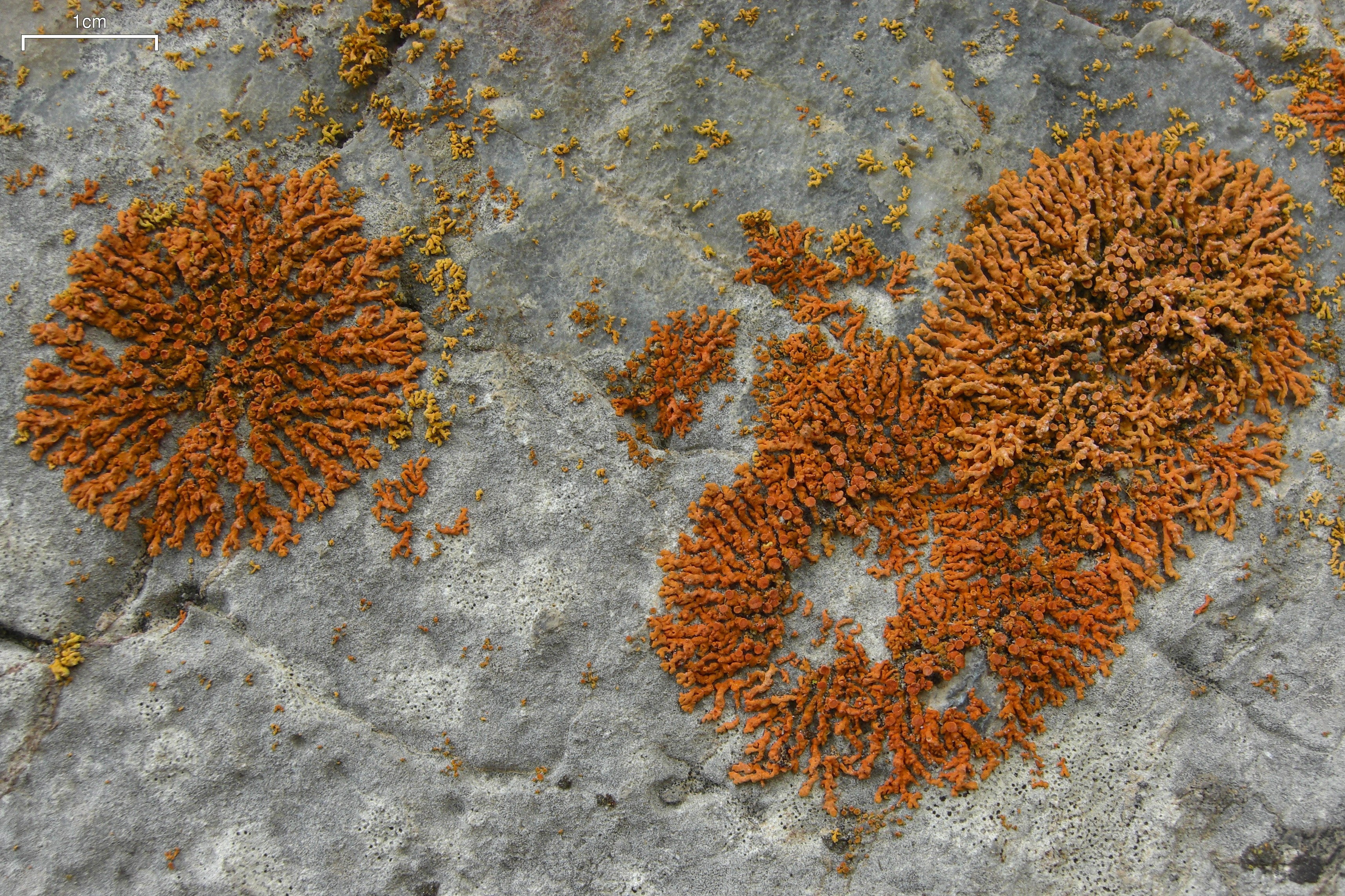
Experiments on the satellite FOTON M3 and on the International Space Station have revealed that lichens are even tougher than Tardigrades. For 18 months, lichens known as Rusavskia elegans was exposed to the full vacuum of space, solar UV radiation, cosmic rays, and varying temperatures. They were also exposed to conditions that simulate life on Mars. After returning to Earth, 71% of the them remained viable, which suggests that lichens could colonize other planets, including Mars.
Bacteria
The Earthlings best adapted for space are also Earth’s oldest residents: bacteria. Having lived on Earth for over 3 billion years through all sorts of cataclysms, bacteria are the ultimate survivors. For example, Deinococcus radiodurans, which is one of the most radiation resistant organisms known, was recorded surviving outside the International Space Station for three years.

But bacteria’s extremeness doesn’t end there. In 2004, while NASA scientists assembled and cleaned spacecraft, the bacteria Bacillus safensis evaded detection at Kennedy Space Center in Florida and the Jet Propulsion Laboratory in California. They were then unknowingly sent to Mars, where they may have contaminated the Martian landscape. Interestingly, they grow faster in micro-gravity than on Earth.
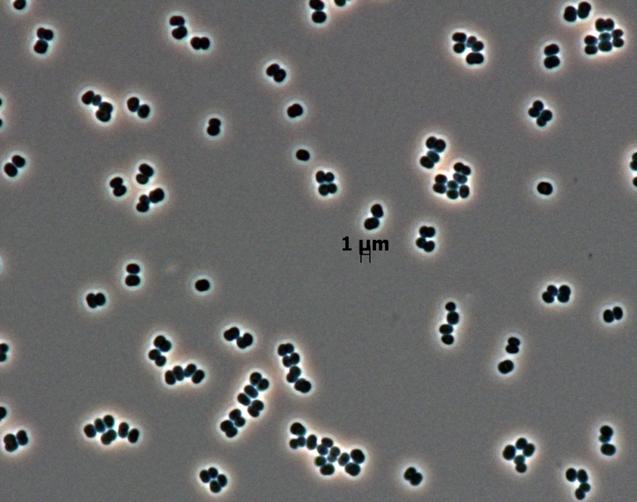
In 2007, another bacteria known as Tersicoccus phoenicis was discovered while cleaning the Phoenix lander at Kennedy Space Center. A couple years later, it was found at the European Space Agency’s space center in Guiana over 4,000 km (2,500 mi) away. In both cases, this bacteria survived spacecraft sterilization procedures and may have also been sent to Mars.
Despite the accidental introduction of bacteria to Mars, scientists have floated the idea of deliberately introducing cyanobacteria to make the Mars into a habitable planet. When cyanobacteria first appeared on Earth billions of years ago, it produced oxygen and soil, and it could do the same on Mars.
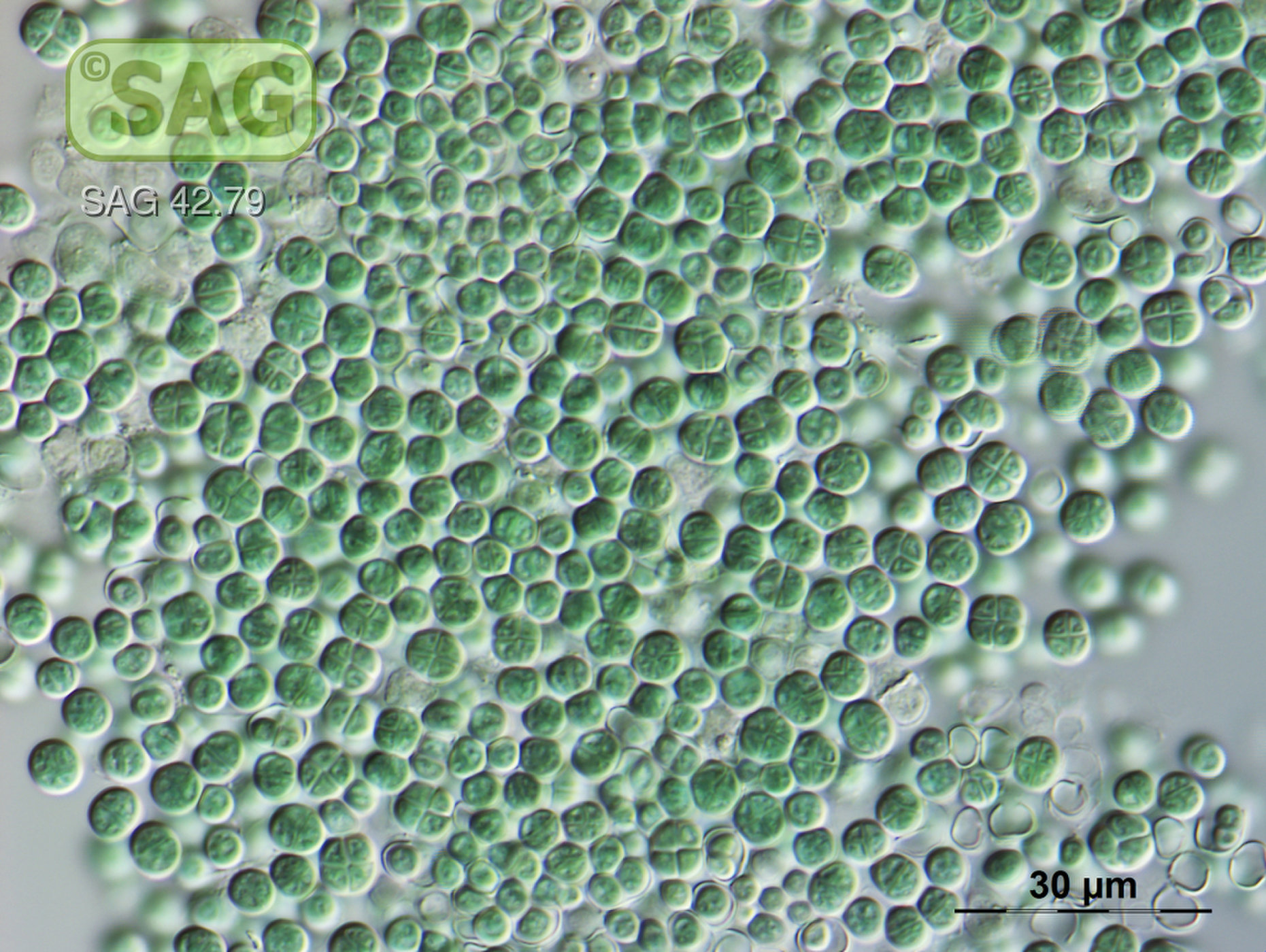
The species known as Chroococcidiopsis has been on the radar of astrobiologists for decades. It has been studied in space with simulated Martian conditions with great success, and it may be pivotal in the future of space colonization.
If you liked this article, please give a like, leave a comment down below, and follow Tidewater Teddy. Thanks, and have a great day!

 Tidewater Teddy