
In the animal kingdom, survival is the ultimate battle, and there’s often little room for long-term relationships. Yet, the nature of, well, nature has caused some animals to evolve monogamous partnerships that can often last for life. Here are 10 animals that prefer to stick together.

1. Mimic Poison Frog
The mimic poison frog is the first amphibian known to practice monogamy. Scientists conducted paternity tests on 12 pairs of frogs and found that 11 of them were socially and genetically monogamous. Unfortunately, the 12th male frog was socially monogamous but not genetically, as he had also fathered tadpoles with another female.
But cheating frogs aside, they are amazing parents. When they raise their babies, they split up the parental responsibilities. After mating, the male will guard the eggs until they hatch. Then, he will carry the babies to their own private plant pools and call out to the female to make sure each tadpole is fed. Meanwhile, the female will provide the babies with unfertilized eggs, which are very nutritious and help them grow.
The tadpoles’ plant pool nurseries are incredibly small and have little to no nutrients, so the cooperation between both parents is critical to their babies’ survival. Babies raised by widowed female frogs often have slower growth and lower survival rates, so for these frogs, their lifetime bonds have kept their species alive.

2. Prairie Voles
Only 3-5% of mammals are monogamous, and prairie voles among the few that fall into this category. Male and female voles will form pair bonds that will last the duration of their lives. They will huddle together, groom each other, and share nesting and child-rearing responsibilities.
Due to their human-like social behavior, these small rodents are of special interest to scientists, and they have identified two hormones are responsible for their behavior: oxytocin and vasopressin. Female voles have more oxytocin receptors than other vole species, and these receptors are located more densely in the reward system of their brains. This makes them addicted to their male partners. Oddly enough, even without oxytocin“, they often still “fall in love”, so perhaps, the role of famous “love hormone” is not as great as we think.
Male voles, on the other hand, have a longer gene for their vasopressin receptors than other, less committed voles. This helps them bond with their female partner and show aggression towards all other females. However, a male with fewer vasopressin receptors will stray away and mate with other females.

3. Foureye Butterflyfish
Believe it or not, fish can also mate for life. While scuba diving in Key Largo, I filmed some foureye butterflyfish hanging out in pairs on the coral heads. I did some research and discovered that foureye butterflyfish are one of the few fish species that practice obligate, social, and genetic monogamy.
Scientists believe that the fish use the black spot on their sides (called an ocelli) to confuse predators and identify each other. When a pair is separated, they can find each other using these unique markings. They are truly star-crossed lovers!

4. Caribbean Cleaning Goby
The Caribbean cleaning goby is another monogamous fish. In this case, males and females both fend off potential suitors. The male will aggressively attack other males to protect his “wife”, and the female will aggressively attack other males to protect her “husband”. That’s one way to protect your spouse from harassment.
5. Most Birds
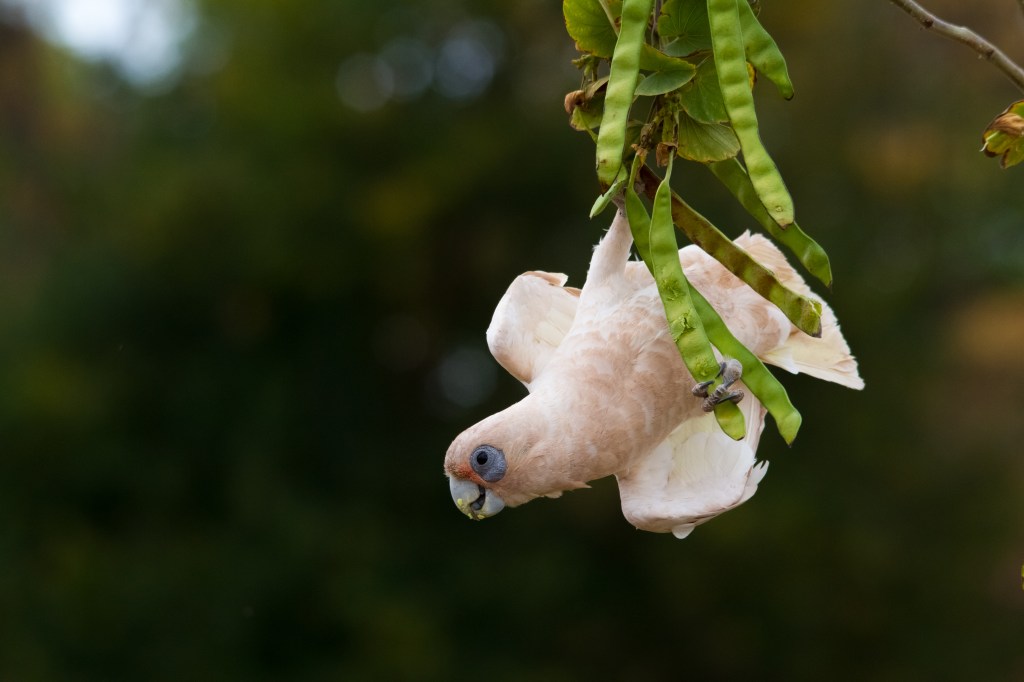
Over 90% of bird species form socially monogamous pair bonds. That doesn’t mean most birds mate for life, but it does mean they stick together for a season to raise their young. You can see evidence for that in a bird nest outside your window or the bird cage in your home. I mean, lovebirds got their name due to their strong lifetime bonds.
Some of the most monogamous birds are albatrosses, eagles, puffins, swans, parrots, cranes, and New World vultures. These birds generally remain completely committed to each other for life. They will not separate unless one of them dies, or they fail to breed.
Many monogamous birds will reunite during the breeding season and separate afterwards, but some birds, such as the scarlet macaw, never leave each other’s side. In fact, scarlet macaw couples are never alone unless one of them is incubating their eggs. They also show affection by preening each other and licking each other’s faces.
However, not all bird species are equally devoted. Some birds, such as the northern cardinal, will form pair bonds, but both the male and female will seek outside partners, even while bonded. In the case of the cardinal, up to 35% of their nestlings are from a different partner. Yeesh.
6. Shingleback Lizard
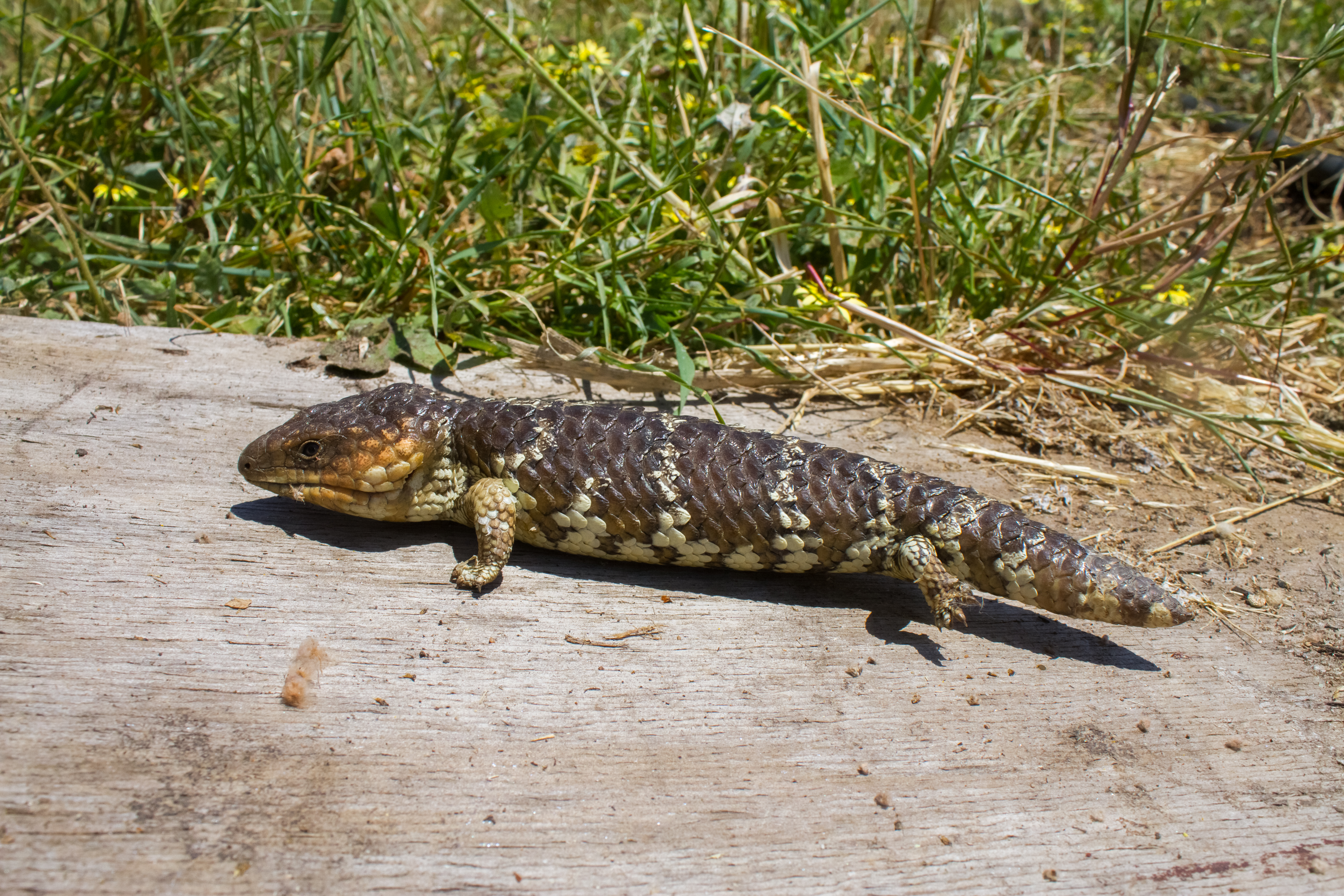
The shingleback lizard is, perhaps, the only reptile that’s known to be monogamous. They don’t stay together all year, but they do return to each other right before breeding season every year. Some of them have reconnected for 20 years in a row, which is some serious commitment.
One of the main reasons for this strong bond is because female shingleback lizards love attention. Male lizards often have to prove themselves by following the female for a couple weeks before mating. Once they become a pair, the female will choose him every year because she knows he will always give her the same level of attention. However, if he gives her less attention one year, she may find a new partner the next year.
7. Dik-Dik
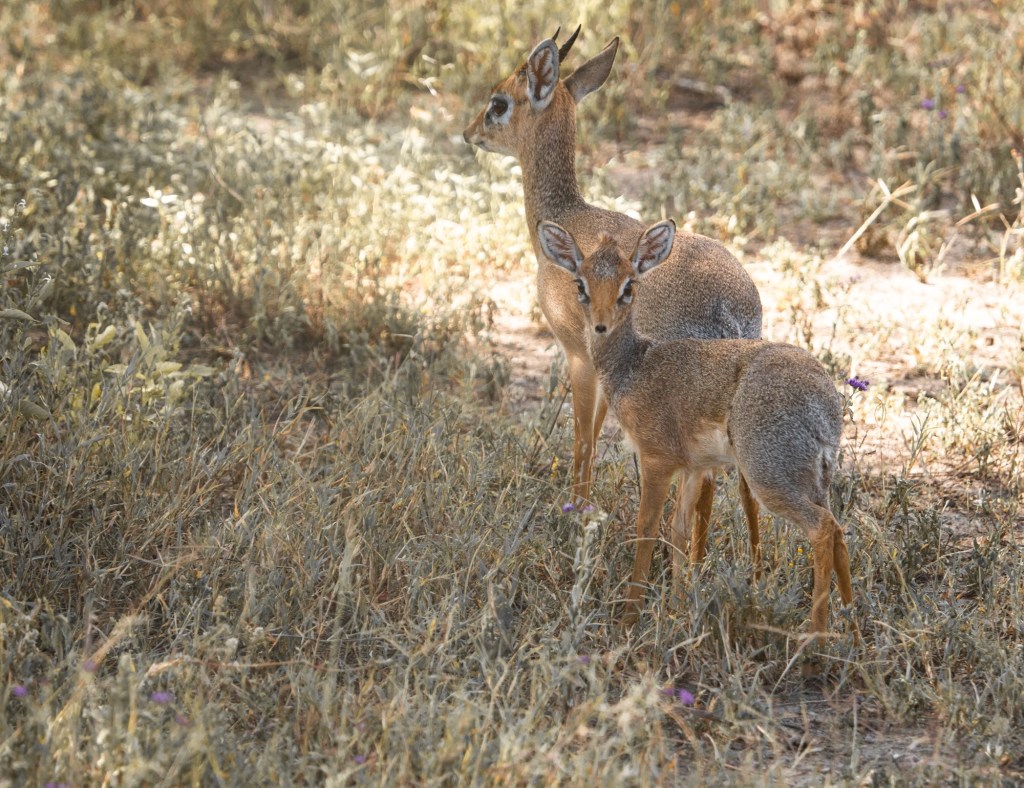
Dik-diks are tiny antelopes that tend to stick together for life. In fact, they will spend 64% of their time together. This is likely due to the sheer amount of predators, making it too dangerous to look for love elsewhere. Tragically, males (but not females) will cheat, if given the opportunity, so maybe this one is more of a situationship than a lifelong commitment.

8. Mantis Shrimp
There are over 520 living mantis shrimps species, and remarkably, a few of them are monogamous. When these predatory shrimp form a pair bond, they share a burrow and split up their duties. The female shrimp will lay the eggs and take care of them in the burrow. Meanwhile, the male shrimp will venture out to hunt for food to share with the female in their burrow. Who would’ve thought shrimp would participate in traditional gender roles?
9. Coyotes
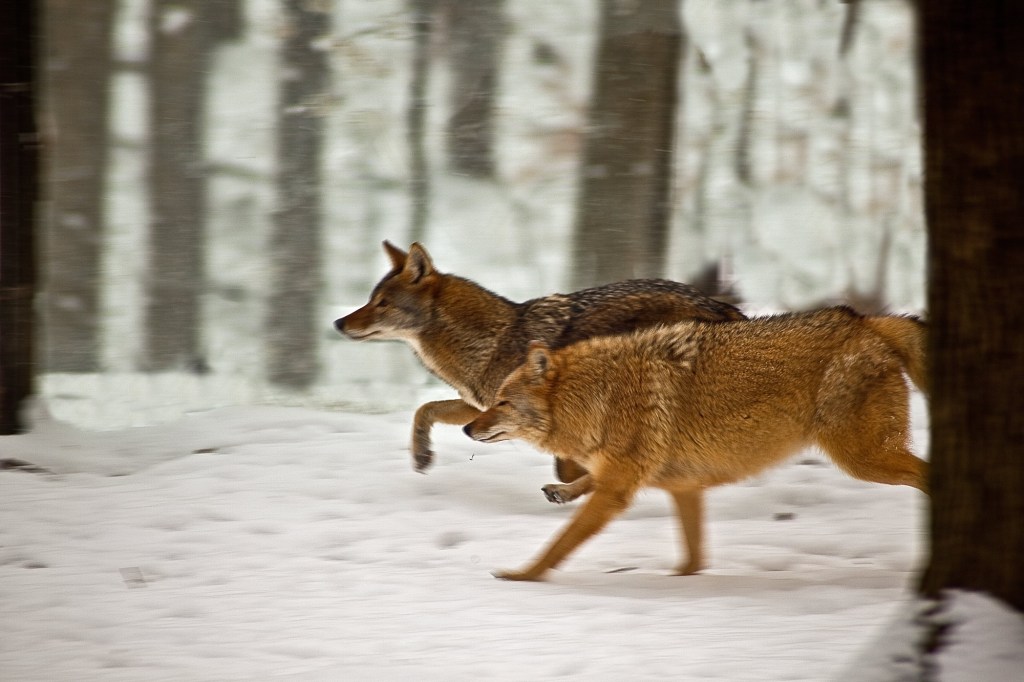
Coyotes and wolves both form lifelong bonds. However, wolf packs are complex and not all wolves are 100% monogamous. Coyotes, on the other hand, are strictly monogamous, and bonds between alpha pairs generally only break up when one of them dies. Even in areas where there are high populations of coyotes with abundant food sources, they remain loyal to one another.

10. Termites
Believe it or not, termites stay together for the long haul. Unlike ants and bees where there’s only a queen, termites have a queen AND a king, and these two rule as a true power couple. They are among the only insects that are monogamous. There are also some species of cockroaches that mate for life, but I don’t think many of you want to see those crawling on your screen, so let’s just-let’s cut it here…

 Tidewater Teddy