
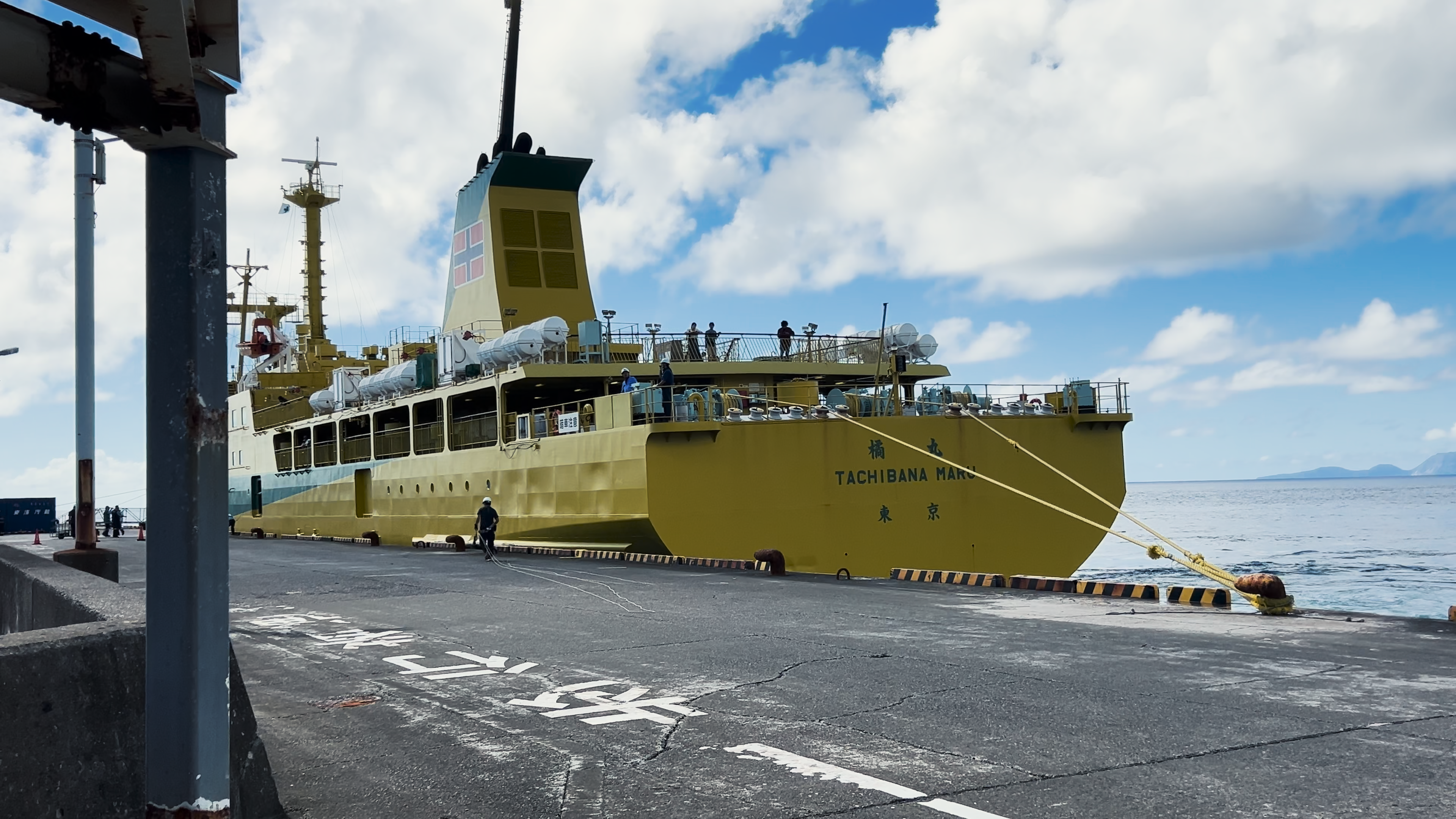
As an island nation, Japan has many ferries connecting its numerous islands, and they are critical lifelines for the island communities they serve. When my wife and I visited Japan in September 2024, we went out of our way to ride one of these ferries, the Tachibana Maru. This ship runs a route along the Izu Islands, starting in Tokyo and, then, going to Miyakejima, Mikurajima, Hachijojima, and back again.
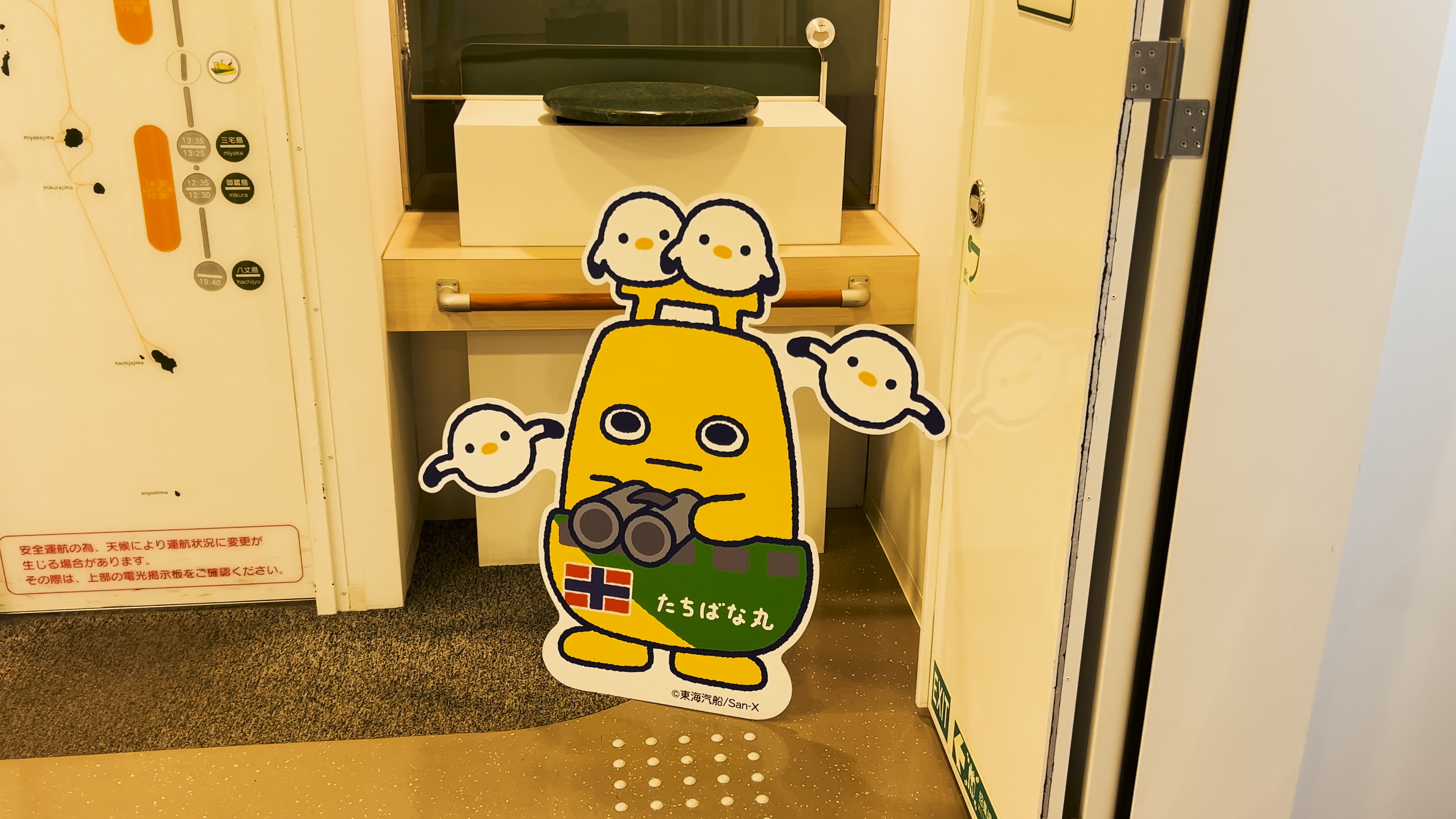
Being a ferry captain myself, I am always fascinated by new vessels in new horizons, and this was an exciting adventure for us. It’s a slower way to travel, but in my opinion, it is much more relaxing than flying. (I mean, you can walk around the boat freely and have a bed to rest your head at night.)
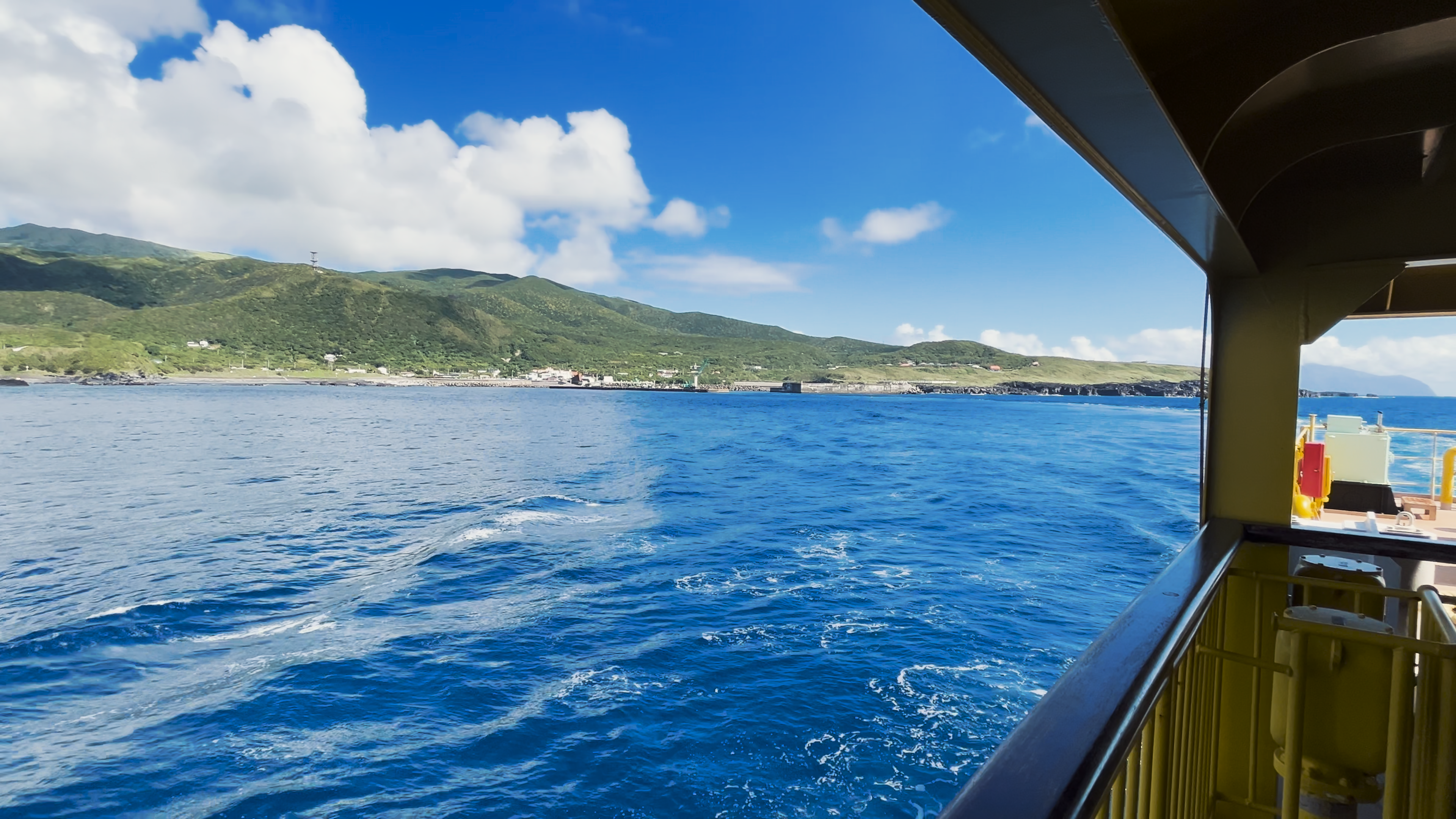
Then, there’s the beautiful scenery that you’d miss while flying high up above the clouds. On this trip, the seas were calm and blue, and the islands were tall and green. If you haven’t seen my video about Tokyo’s Dolphin Islands (or read my article about it), I go into more detail about the islands themselves, both above and beneath the sea.
Boarding the Ship & Going Below Deck
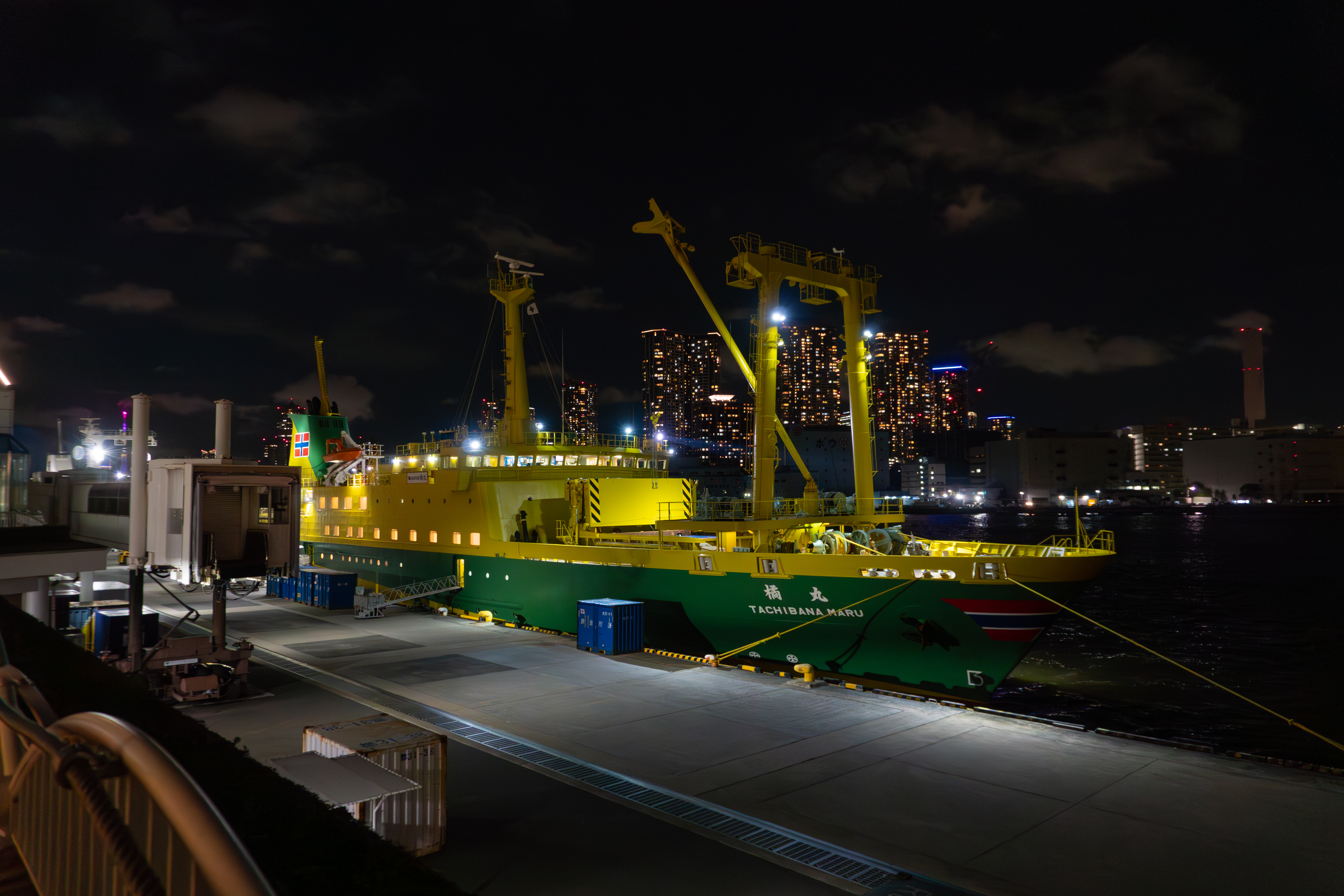
To get to the ferry, we went to Takeshiba Ship Terminal. Here, the two main Tokai Kisen ferries are docked. The green and gold one is the Tachibana Maru while the blue and white one is the Salvia Maru. Our ferry was leaving late at night, and the departure time was 10:30pm.

This ship itself is quite large. She is 118m (387 feet) in length and 5,700tons. She does not carry any cars like the smaller ferries I’ve piloted, but her total passenger capacity is 1,000. Yet, despite all the passengers, when we boarded, everyone was practically silent. This is typical for public transportation in Japan.

Below deck was very quite and clean. We stored our luggage without issue and had no concerns about theft. Like the rest of the country, the ship was pristine and orderly.
Beds

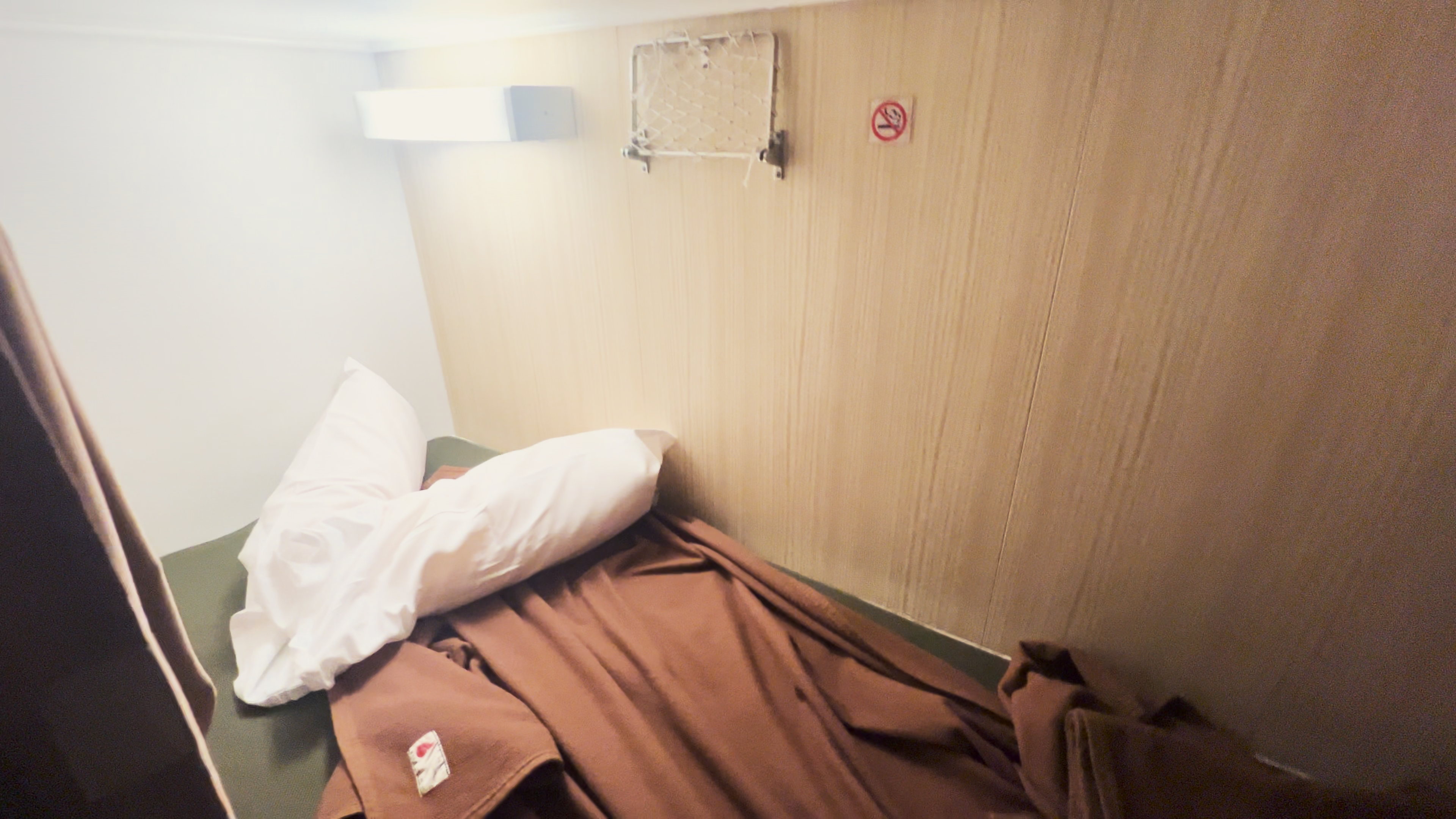
We booked the 2nd Class Special tickets, which featured western style bunk beds. The beds had their own pillows, sheets, life vests, and privacy curtains. They weren’t hotel quality comfort, but having slept on many boats, I personally enjoyed them.


Vending Machines
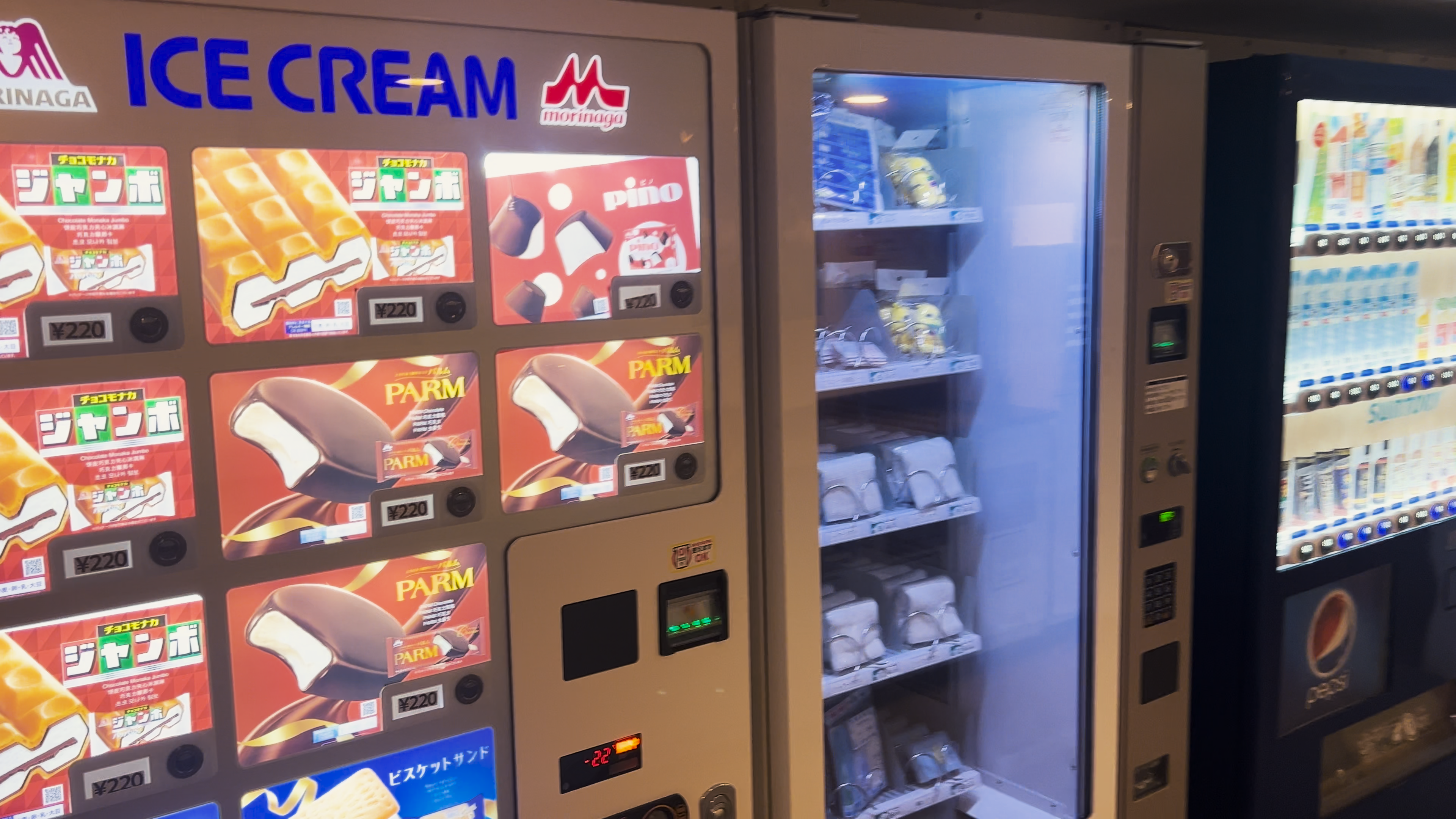
Just like the rest of Japan, the ship had plenty of vending machines. They offered ramen, drinks, ice cream, and even cakes! There was also a vending machine that had towels and little ferry mascot plushies.


Galley
In the galley, there were free beverages, and there was a coin-operated machine, where you could order food. All you had to do was insert your coins, select an item, and print out the ticket. Then, you hand the ticket to the cook, and he/she will prepare it for you.


Arriving at & Leaving the Island
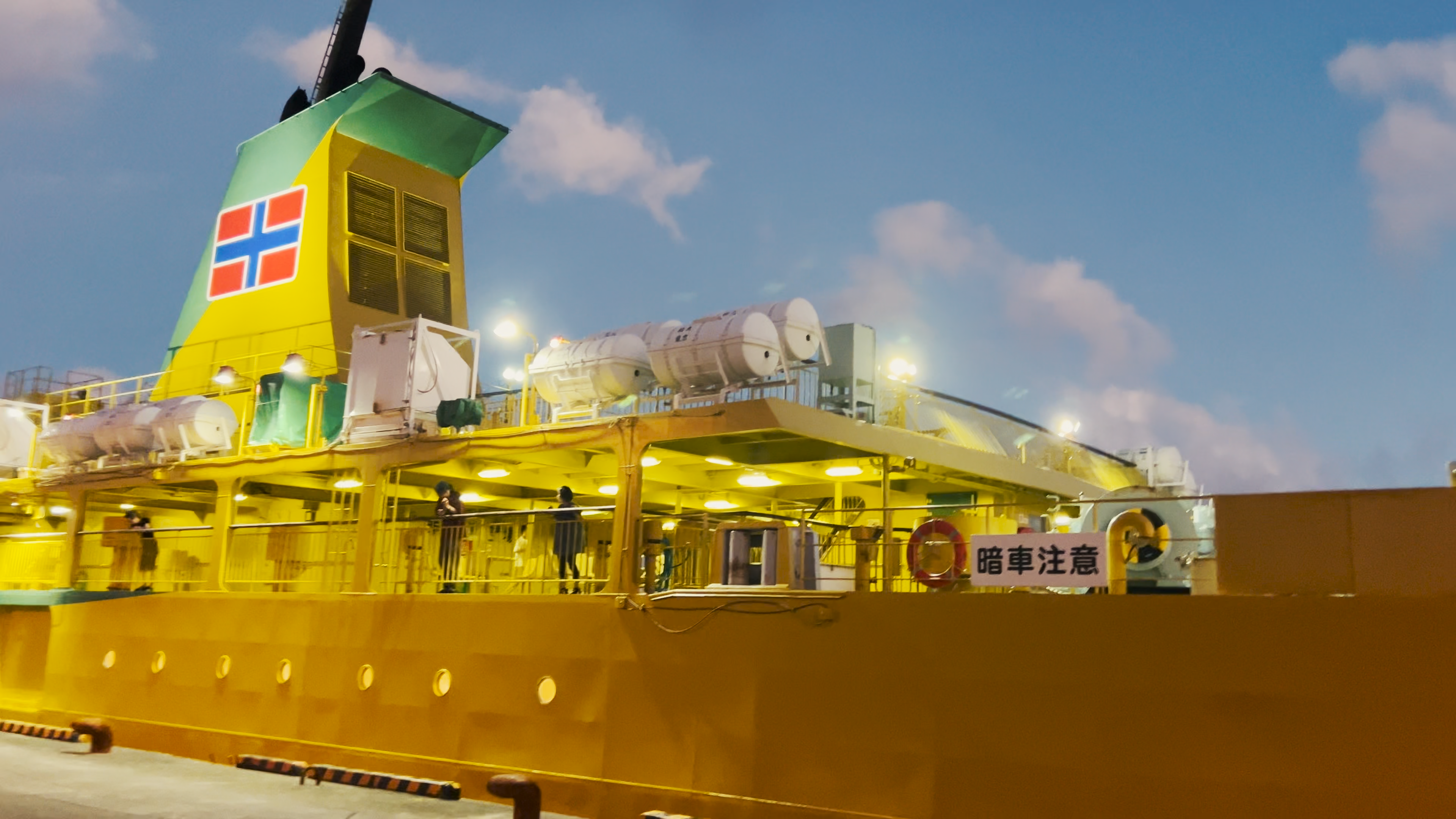
At 5:00 am, we arrived at our destination, an island known as Miyake-jima, and stayed there for the night. Like I said, if you want to known more about our experiences on Tokyo’s island, you can read about it here.
The next day, we got ready to return to Tokyo. The ship arrives and departs twice daily. On this particular island, it arrives at 5:00 am and departs at 5:10 am. Then, it arrives again at 1:35pm and departs at 1:45pm. The morning route continues on to Hachijojima, the farthest island on the route, and the afternoon route returns to Tokyo.


Out at Sea
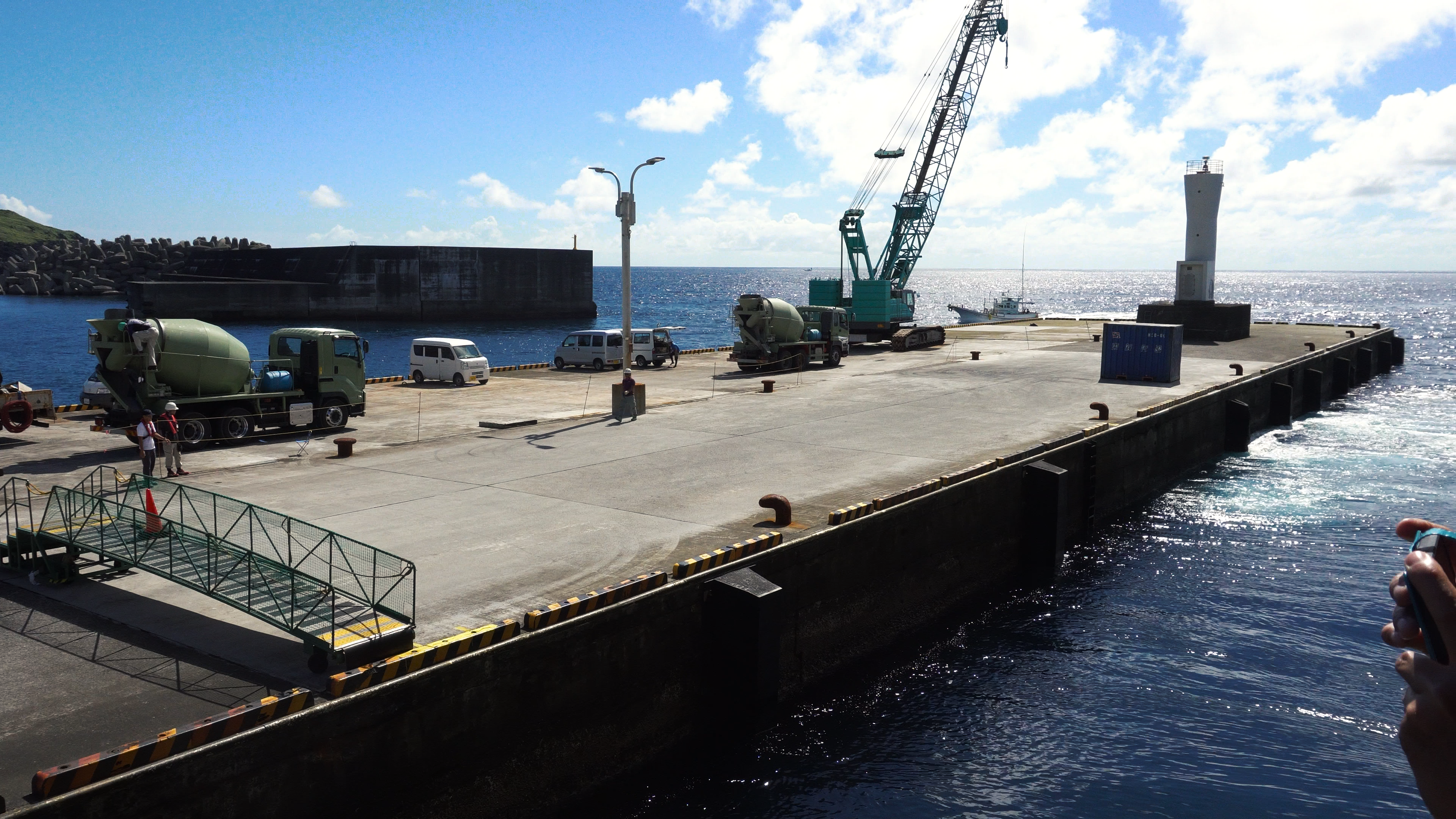
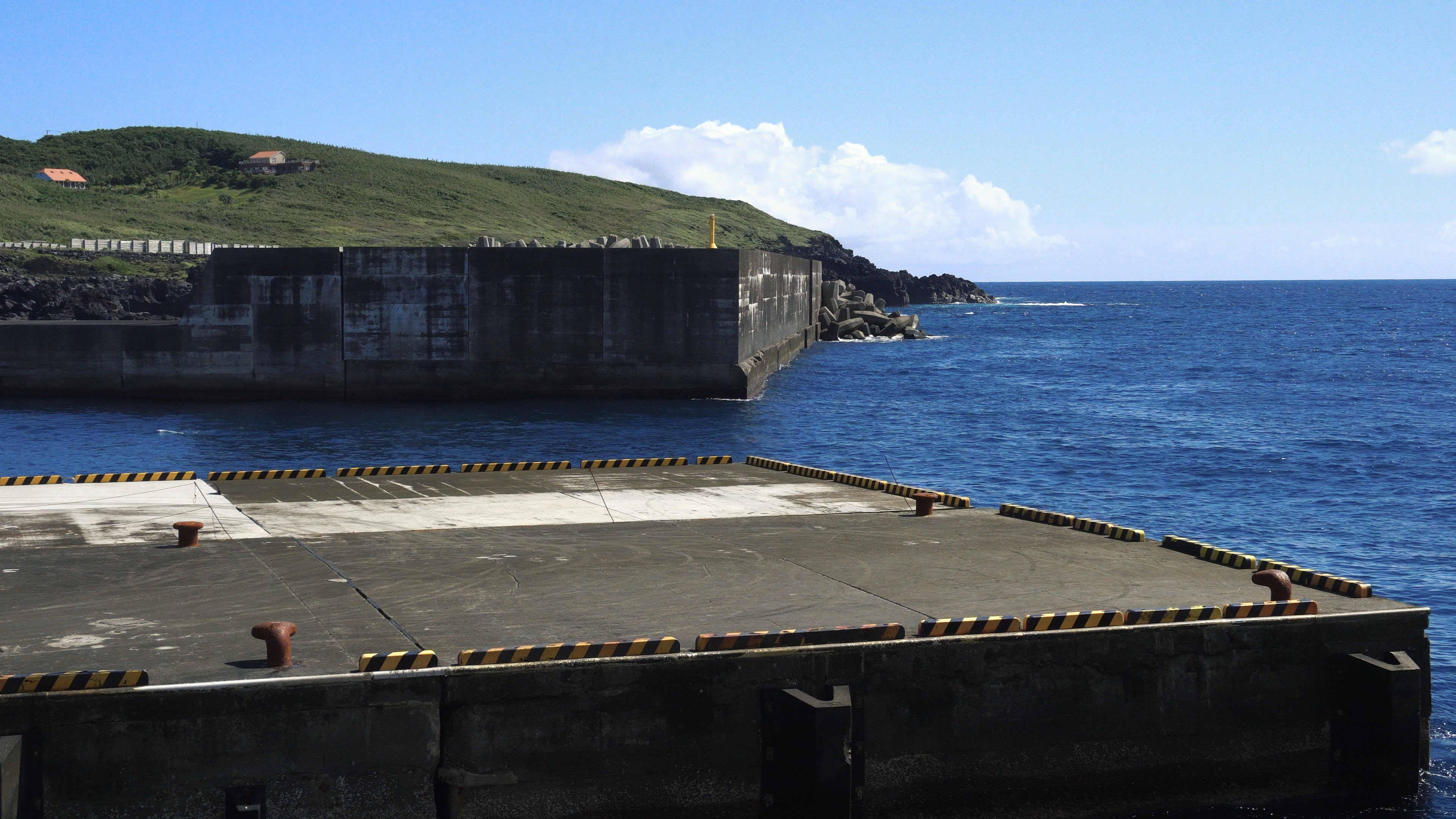
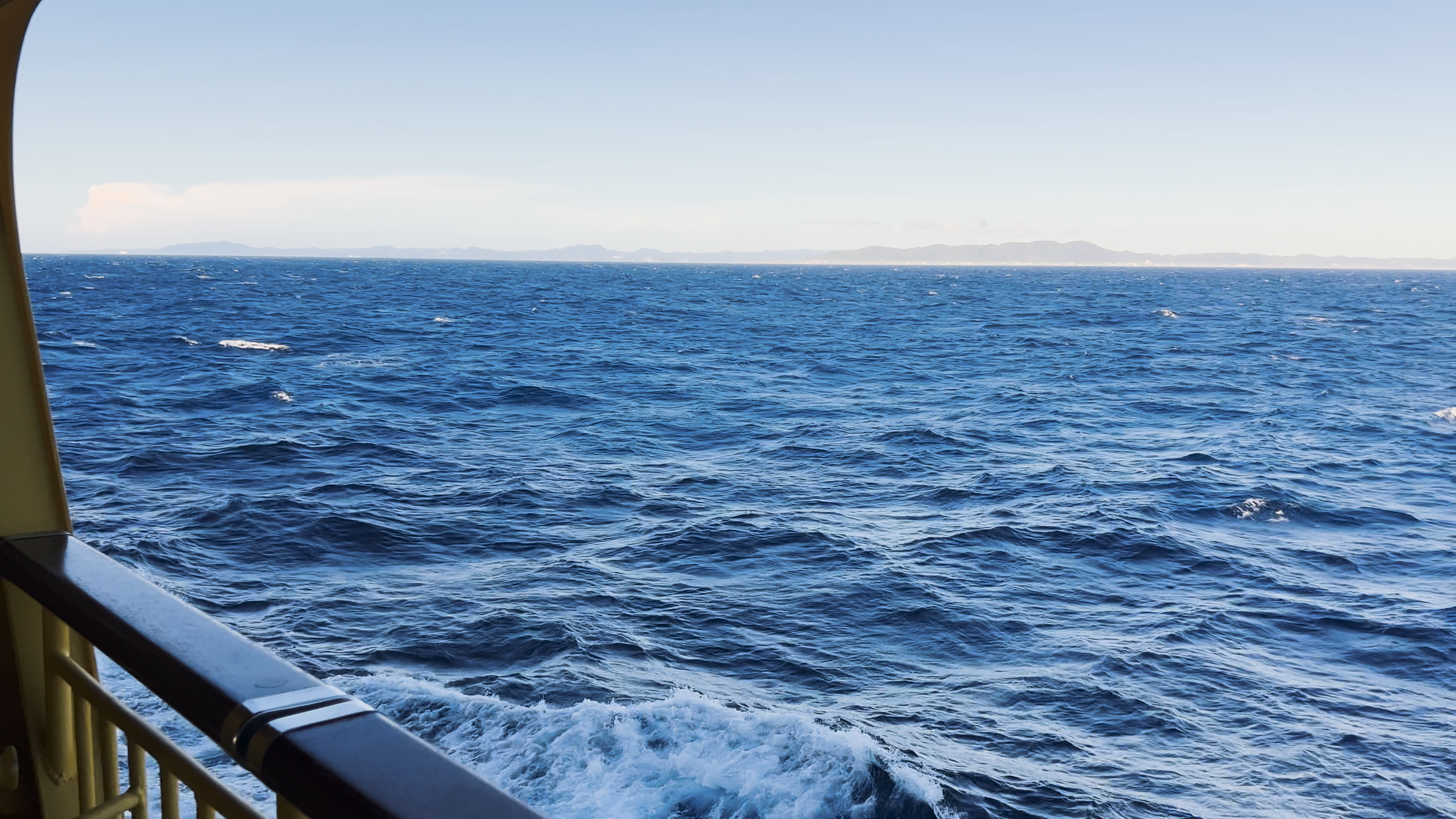
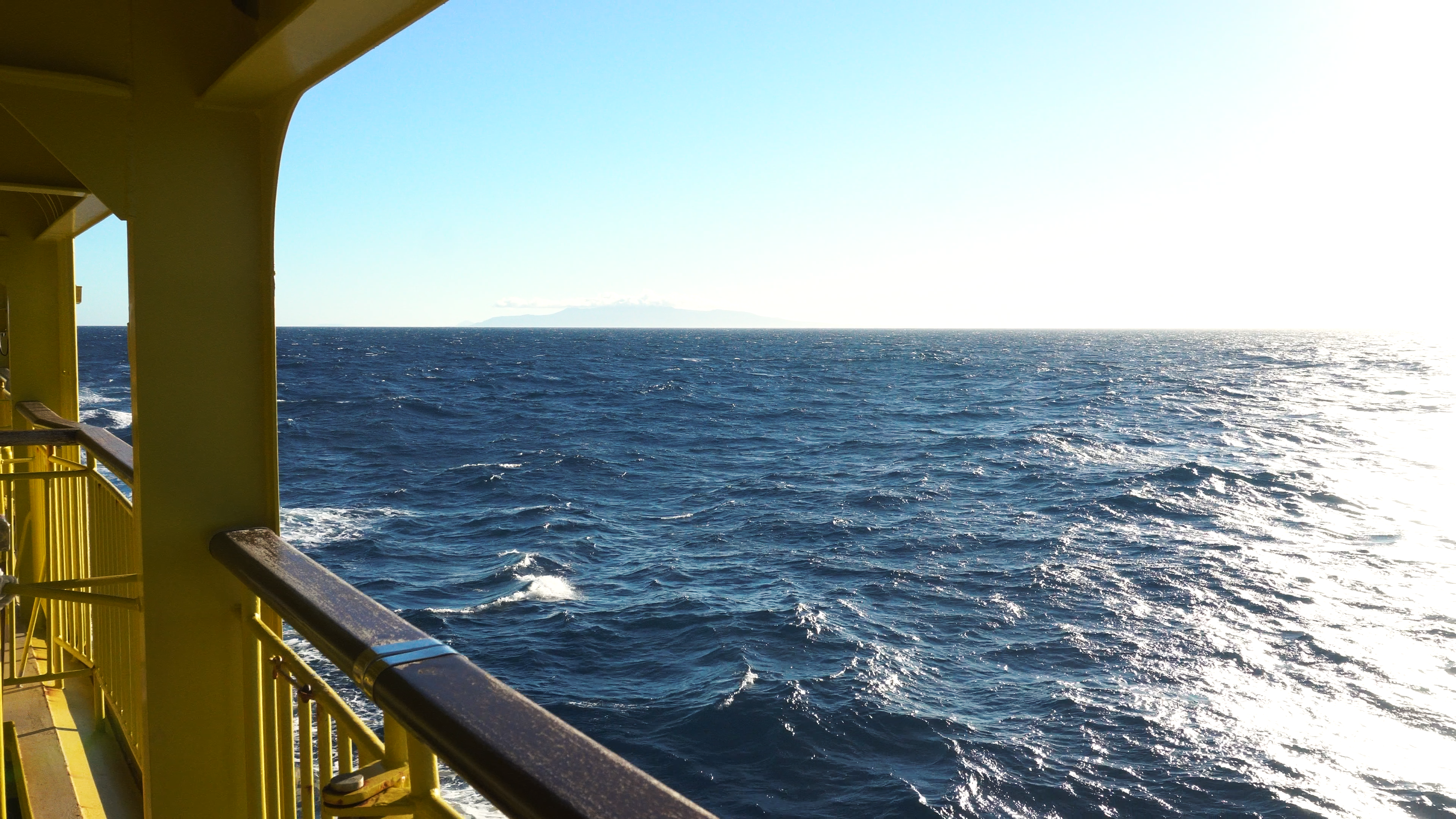
We departed quickly, and everyone said their goodbyes as we pulled away from the dock. Seeing the sights in the daytime was definitely one of the most exciting parts of the trip. Everything was so lush and beautiful!


Returning to Tokyo

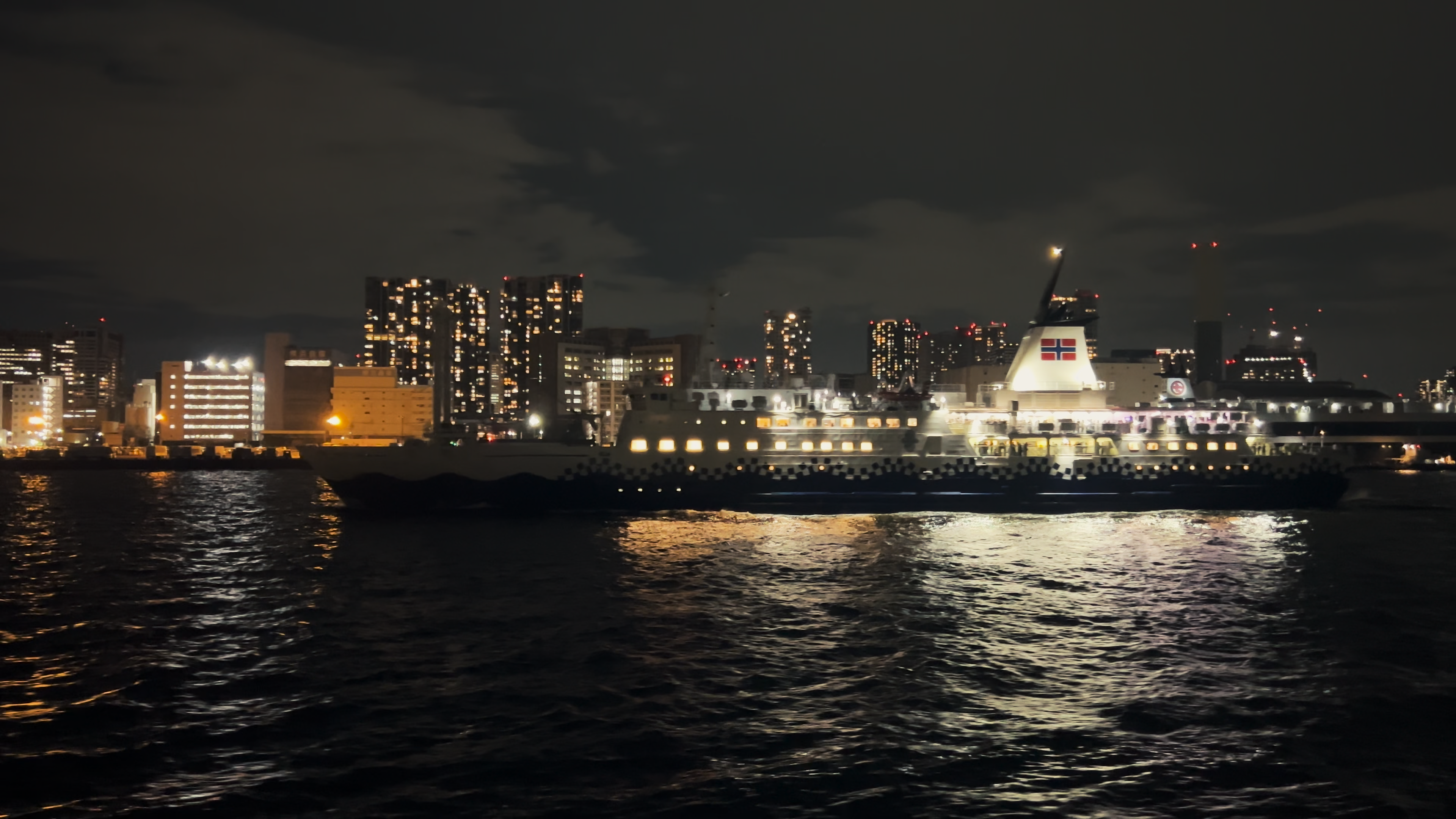
Several hours later, we returned to Tokyo. We got another glimpse of the Salvia Maru on her way out to sea. Not long after, we arrived at Takeshiba Ship Terminal and disembarked around 7:40 pm.


 Tidewater Teddy