
Lionfish are like living naval mines. See those long fins that look like a lion’s mane? Yeah, those are all venomous spines. For an unwary swimmer or diver, these spines can pack quite a punch. But how dangerous can this “punch” truly be? Let’s put on our scuba gear and find out for ourselves!
Lionfish are in a family of fish called scorpionfish. They are called this because many species have venomous spines that sting like a scorpion. The deadliest of all scorpionfish is the stonefish, which has been responsible for multiple human deaths. Yeesh.

Thankfully, there are no documented reports of fatalities from lionfish stings, but getting stung by one is still not a pleasant experience. In a 2016 study of 117 lionfish sting patients, 100% of them experienced swelling and excruciating pain in the affected area. Other symptoms include nausea, vomiting, burning or tingling sensations, abdominal cramps, and elevated heart rates. In the most severe cases, patients experienced anaphylaxis, limb paralysis, and cardiac failure.

For the majority of cases, you just need to treat the pain from the sting, and there’s a very easy fix for that. Because the proteins in lionfish venom break down in heat, soaking the affected area in hot water that’s between 40°C to 45°C (104°F to 113°F) for 30 to 90 minutes will eliminate the pain. So, compared to other dangerous sea creatures they’re pretty tame.

Personally, I have never been stung by a lionfish. I have dived with them many times and been able to get VERY close to them to take photos and videos. However, there was ONE time in Japan where a group of lionfish tried to jump me. I was filming a shoal of lionfish herding a school of baitfish, and two of them started rushing me. This a photo sequence I took as they progressively got closer to me. I have NEVER seen lionfish do this before!
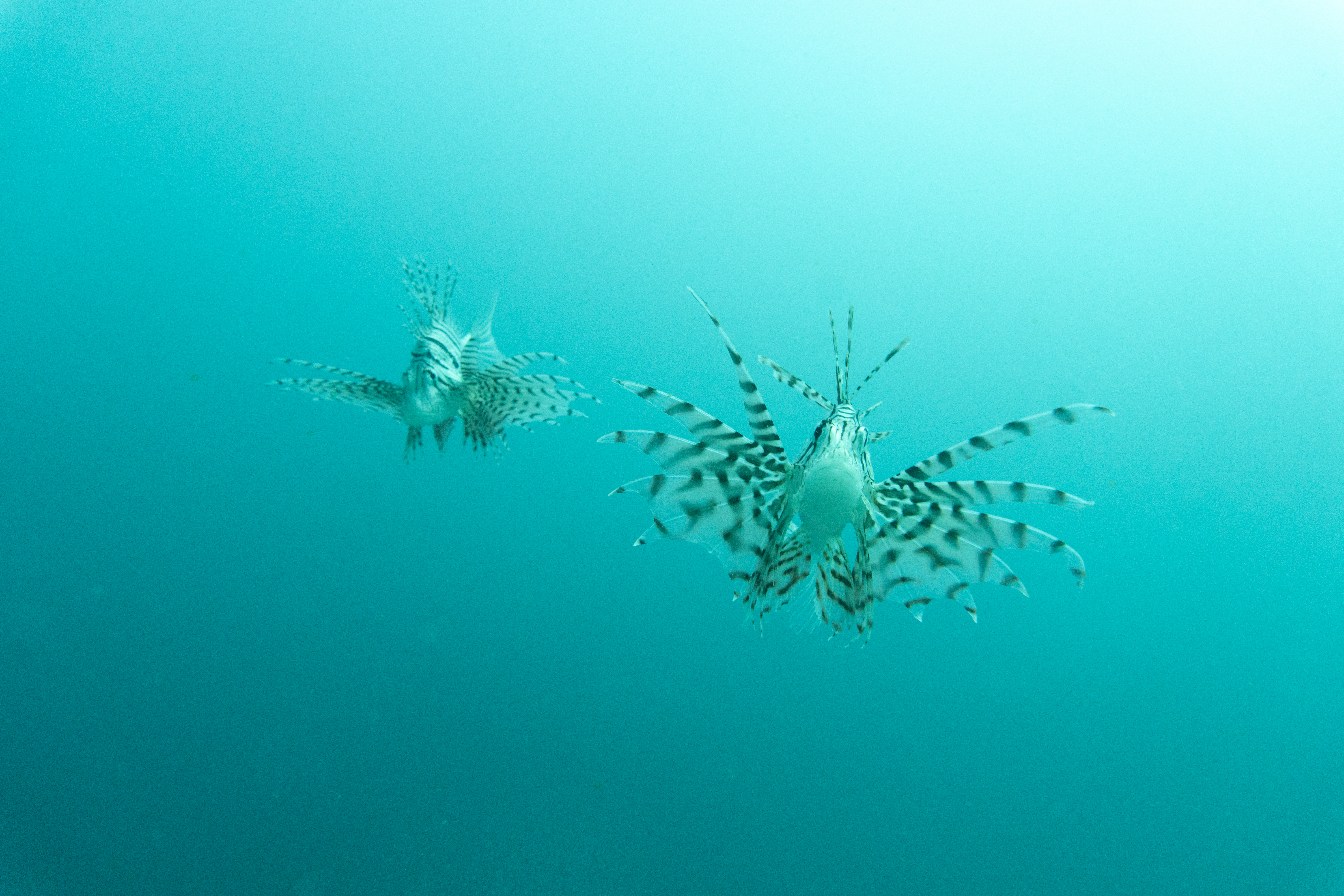
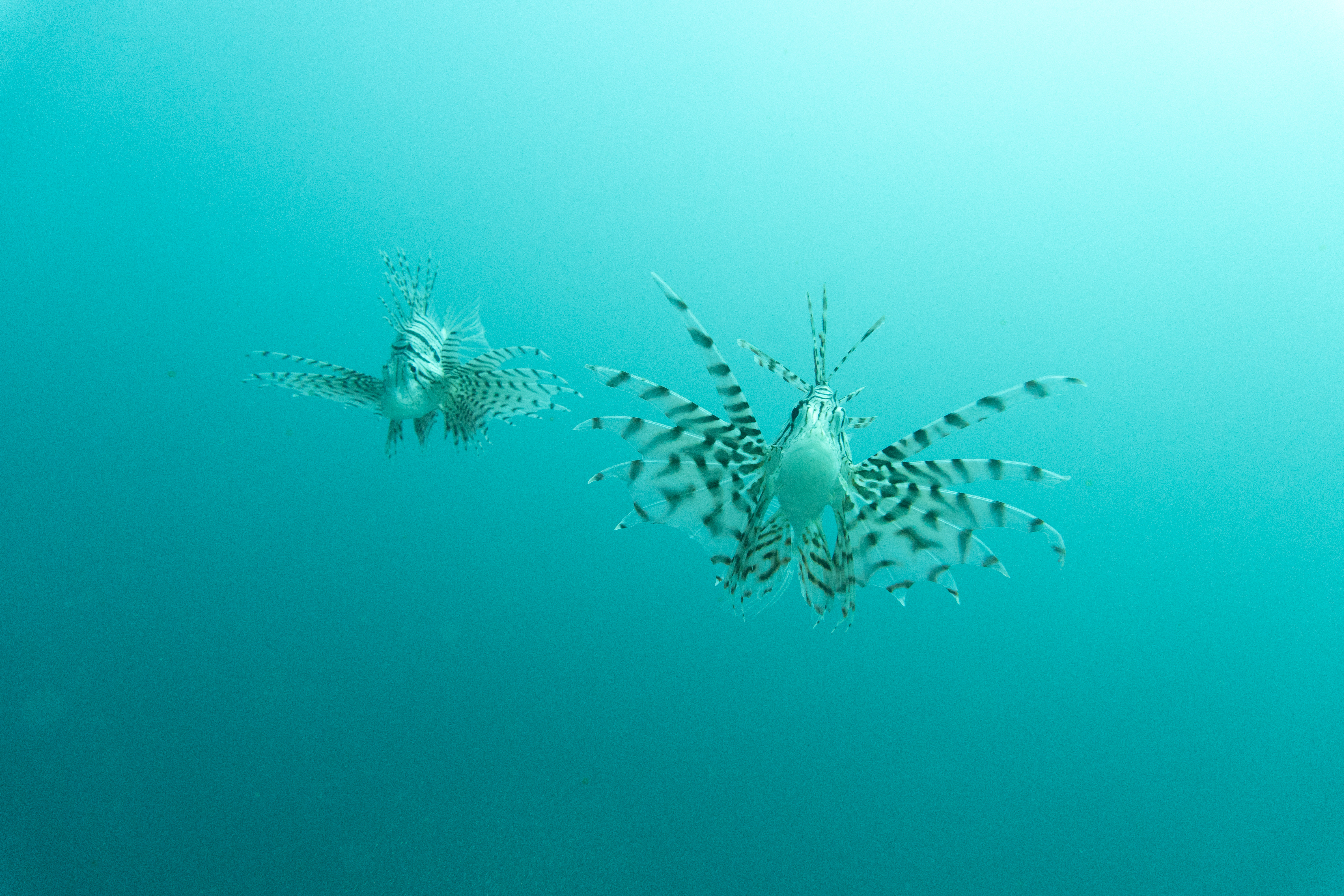


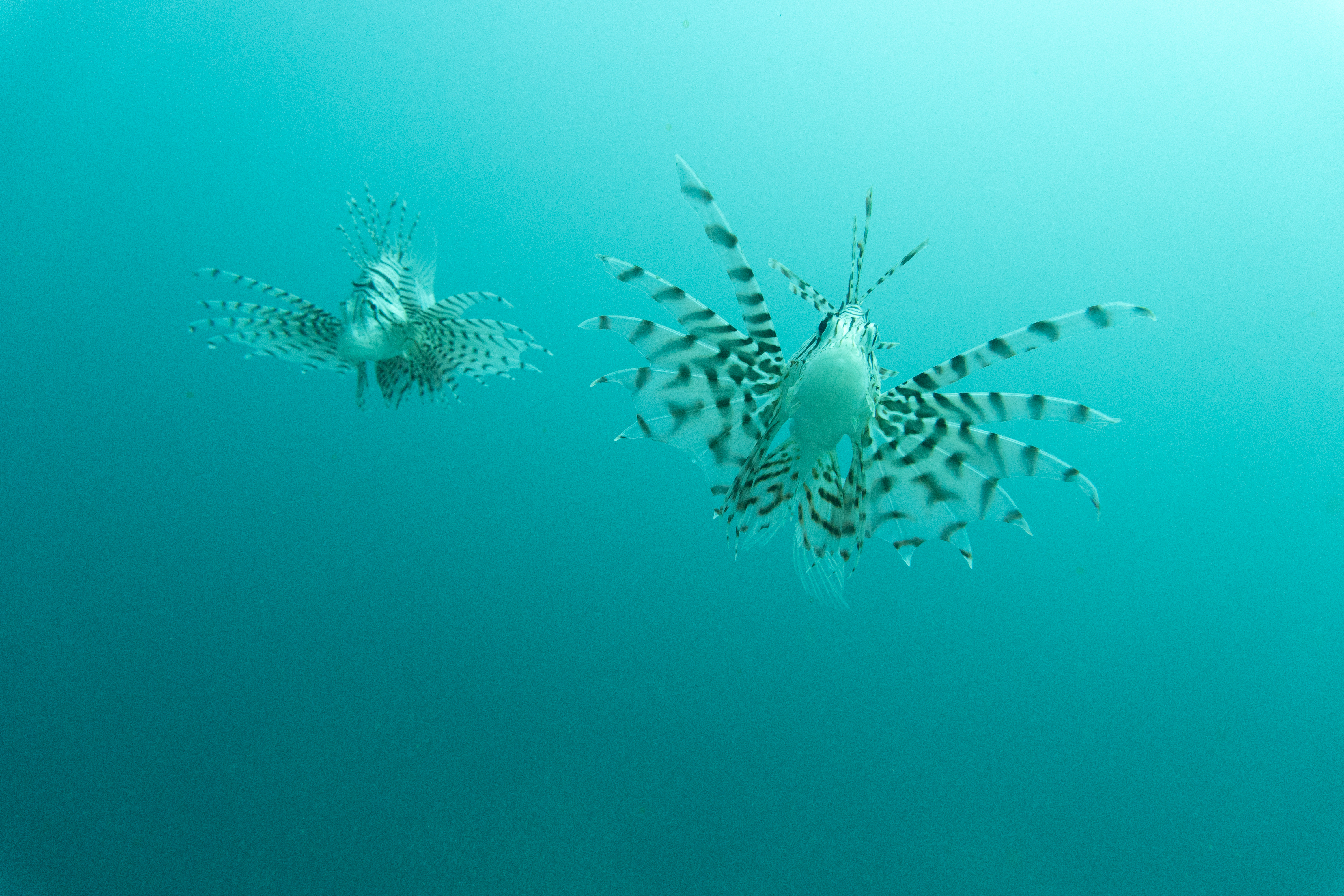
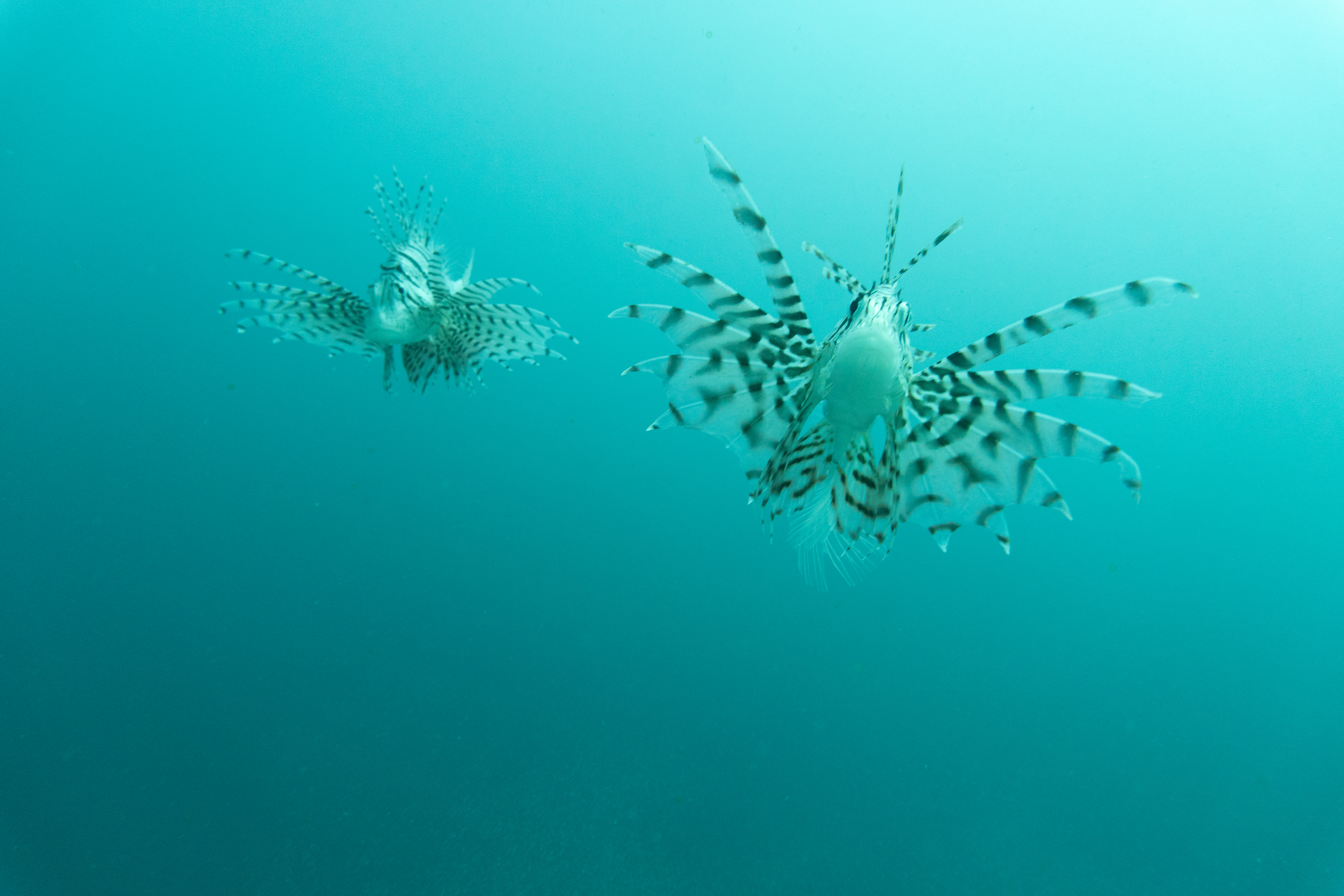
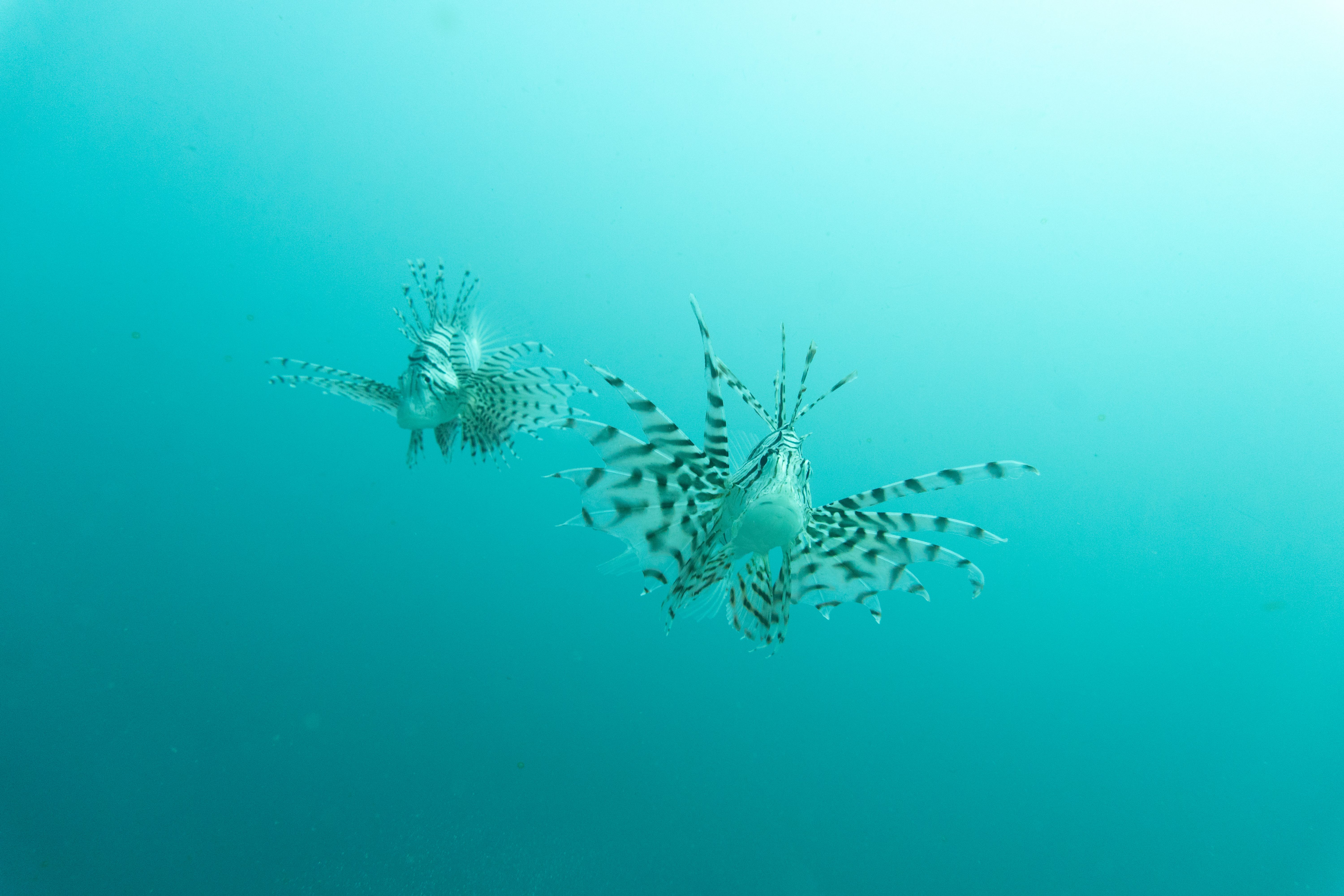
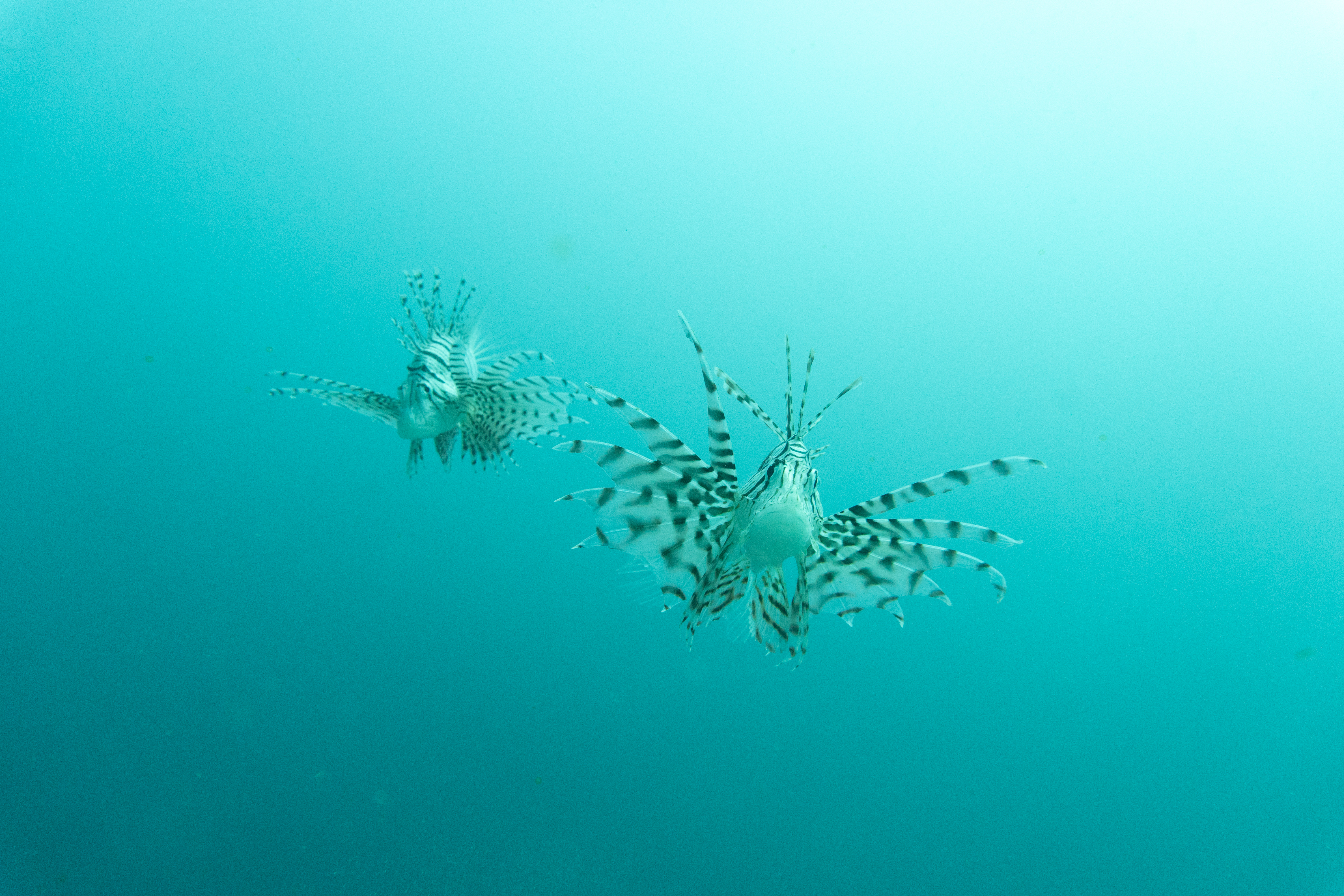

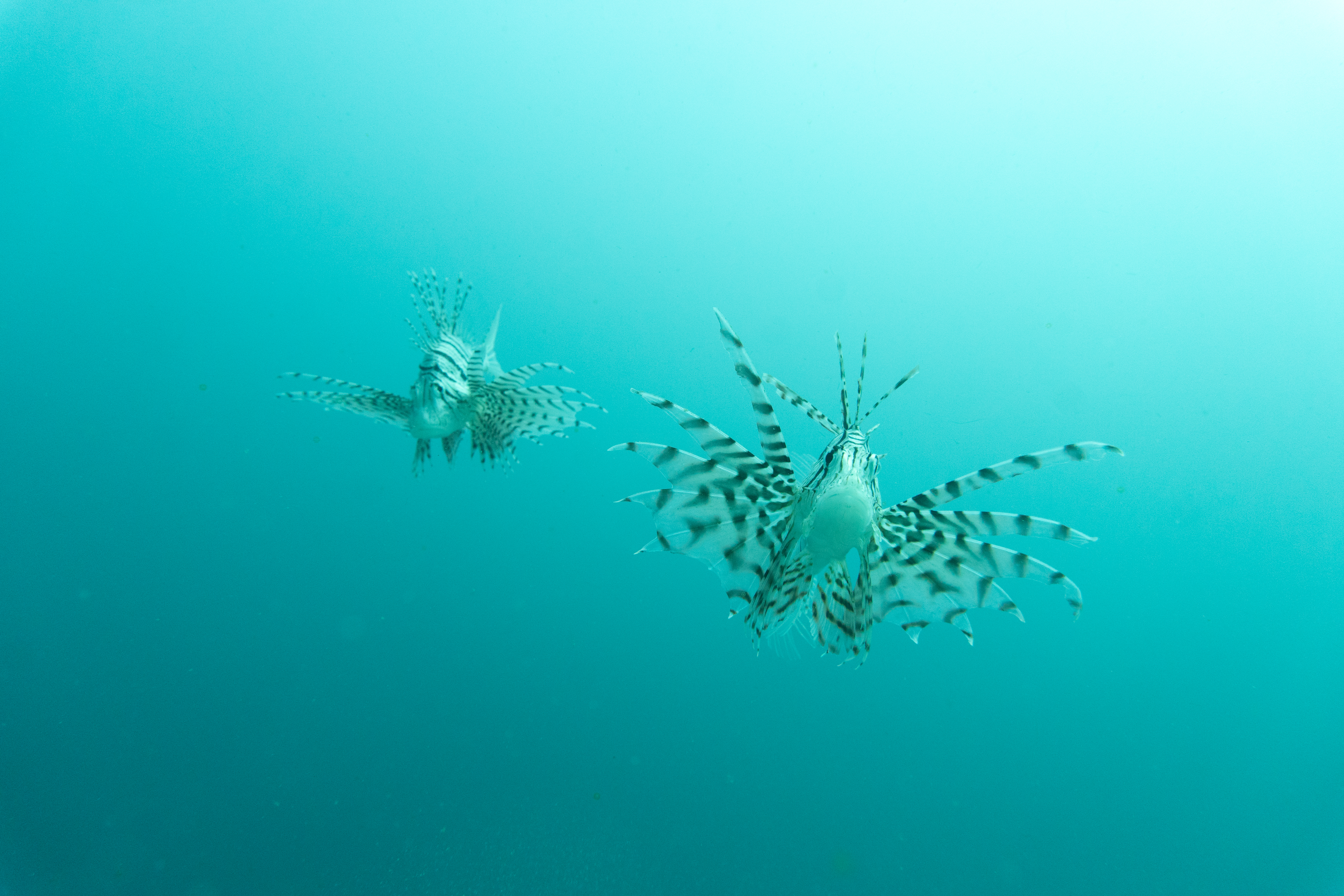
This particular species of lionfish is known as the luna lionfish (Pterois lunulata), and it has a very interesting description on the Japanese version of Wikipedia. This is what is says: “In contrast to its graceful swimming appearance, this fish is aggressive, and if you persistently chase it while diving or taking underwater photos, it will become enraged and attack people.” Of course, there is no citation for this, and the English version of the same article has no such information, BUT from my own experience, it definitely tracks.

So, like most wild animals, if you leave lionfish alone, they’ll leave you alone, too. If you’re unlucky enough to get stung by one, you’ll have a pretty bad day, but at least, you won’t need to arrange a funeral.
That said, I CANNOT end this go without mentioning that lionfish ARE dangerous to marine communities. In the western Atlantic Ocean and the Mediterranean Sea, they are ravenous, invasive species that are decimating native sea creatures, and they have few natural predators. They are not easily fished from the surface, so divers and spearfishers are working hard to keep them under control. Hopefully, the lionfish invasion can be stopped before it’s too late.

If you liked this article, please give it a like, leave a comment down below, and follow Tidewater Teddy! Thanks, and have a great day!

 Tidewater Teddy