
Hello there! I recently created a new wildlife documentary featuring footage from my adventures in the Australian Outback years ago. I’ll be making several more videos like these because I have gathered a LOT of footage over the years. The video and script are featured below! Enjoy!
Millions of years ago, this was a lush, green paradise. Over time, the climate shifted, and it became an arid, dehydrated land known as the Outback. Here, temperatures can get as high as 50°C (122 °F), and water is scarce and more valuable than gold. For humans and livestock, clean water sources are tapped underground and piped to the surface, and for wild animals, these man-made structures are unintentional blessings.
In Western Australia, this leaky faucet (or tap, as Aussies would say) has become an oasis for thirsty creatures. In the puddle below the faucet, a flock of zebra finches has gathered to drink and bathe. These colorful birds drink 24 to 28% of their body weight in water every day, and they will only drink in large groups like these, where they feel safe from predators. But these birds aren’t alone. Bigger birds are here as well. Emus.

These awkward looking creatures are the second tallest birds on Earth, and they’re also the second fastest running bird. (The tallest and fastest bird on Earth is the ostrich, in case you were wondering.) Cautiously, they wander about with their long legs and massive feet. Emus don’t have sweat glands, so in the heat, they pant to maintain their body temperature, much like dogs do.
One emu has found a leaky pipe and has dug a huge hole to collect the water. Crouched on the ground, it dips its head into the makeshift watering hole. Emus can go days without water, but they typically drink once a day and may drink for up to 10 minutes.
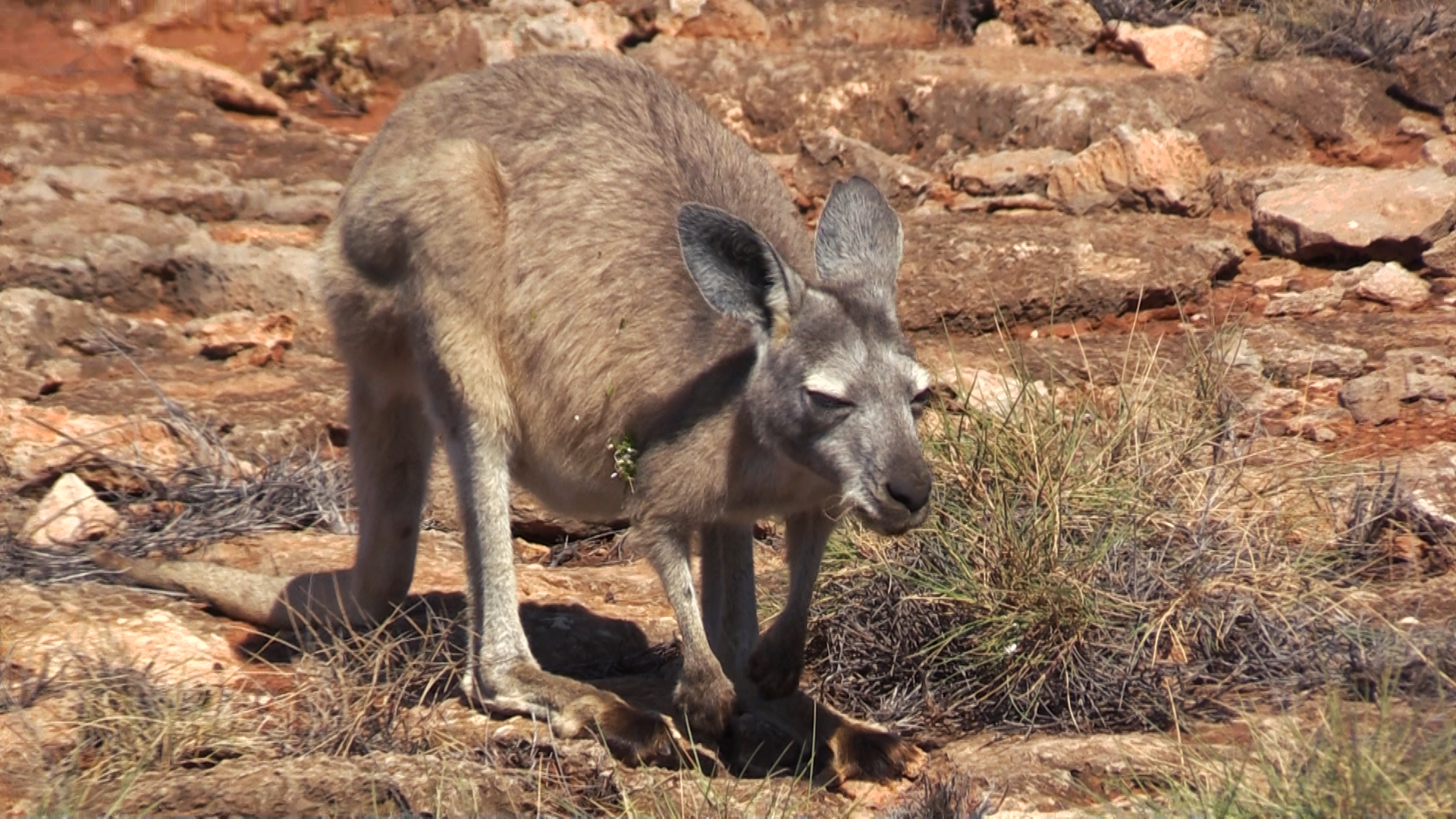
In a nearby bush, a mother kangaroo has brought her Joey over to the faucet in hopes of quenching their thirst. Most kangaroos are crepuscular, which means they’re only active at dawn and dusk. So, during the hottest parts of the day, they are usually resting or sleeping in the shade. This one here looks like he just rolled out of bed on a Monday.
Elsewhere, a blue tongued skink is on the move. These lizards are named for their remarkable blue tongue, which they use to startle and ward off predators. Because of their unique appearance and personalities, these chubby reptiles are popular pets and can live 20 years or more in captivity. Interestingly, they also are viviparous, which means that they give birth to live young, instead of laying eggs.

Further inland, in what’s known as the Red Centre, are more bizarre creatures. This is the thorny devil. It looks weird; it walks weird; and it has a weird way of drinking water. Using its unique keel-like scales, it can collect water just by touching it and channel it directly to its mouth. This allows it to drink dew that has formed on its body as well as the water in damp sand under its feet. (I attempted to demonstrate this in the wild, but the thorny devil wasn’t thirsty. They’re not exactly the most extroverted reptiles.)
Some Outback animals will go to even greater extremes in search of water. Bush flies will perch themselves on human faces, drinking water from sweat, tears, and saliva. (That’s me there being harassed by these insects.) But guess what? These flies breed in poop, so they’re not the most hygienic creatures. That’s why they can spread harmful diseases, such as E. coli, Salmonella, and even Chlamydia. Yuck.
But bush flies aren’t the only bugs out here. This jumping spider has caught an insect that’s almost as big as itself. These little guys are expert hunters with deadly accuracy; yet, they are harmless to humans. There are more than 6,000 species of jumping spiders, and they are found on every continent, except Antarctica. They have even been found on the slopes of Mount Everest, so it’s no surprise that they live out here.
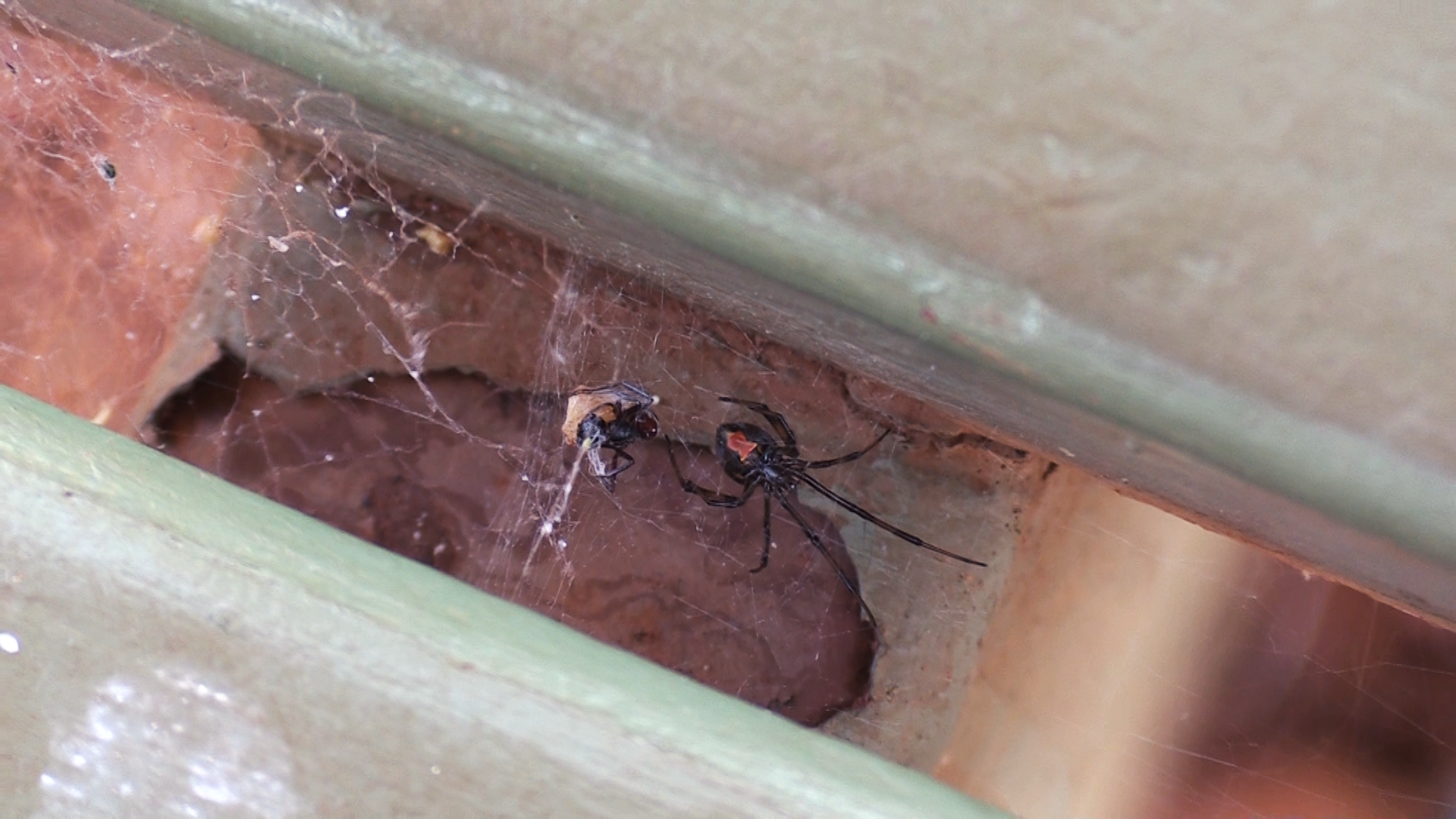
Yet, there are more dangerous spiders in the shadows. Underneath this picnic table is a redback spider. This venomous spider is related to the infamous black widow and a bite from it can send you to the hospital.
On the ground below, another venomous bug lurks. This is an Australian giant centipede. Growing up to 14 centimeters (5.5 inches), it is the largest centipede in Australia. It is also extremely fast, and I had a lot of trouble following it with the camera.
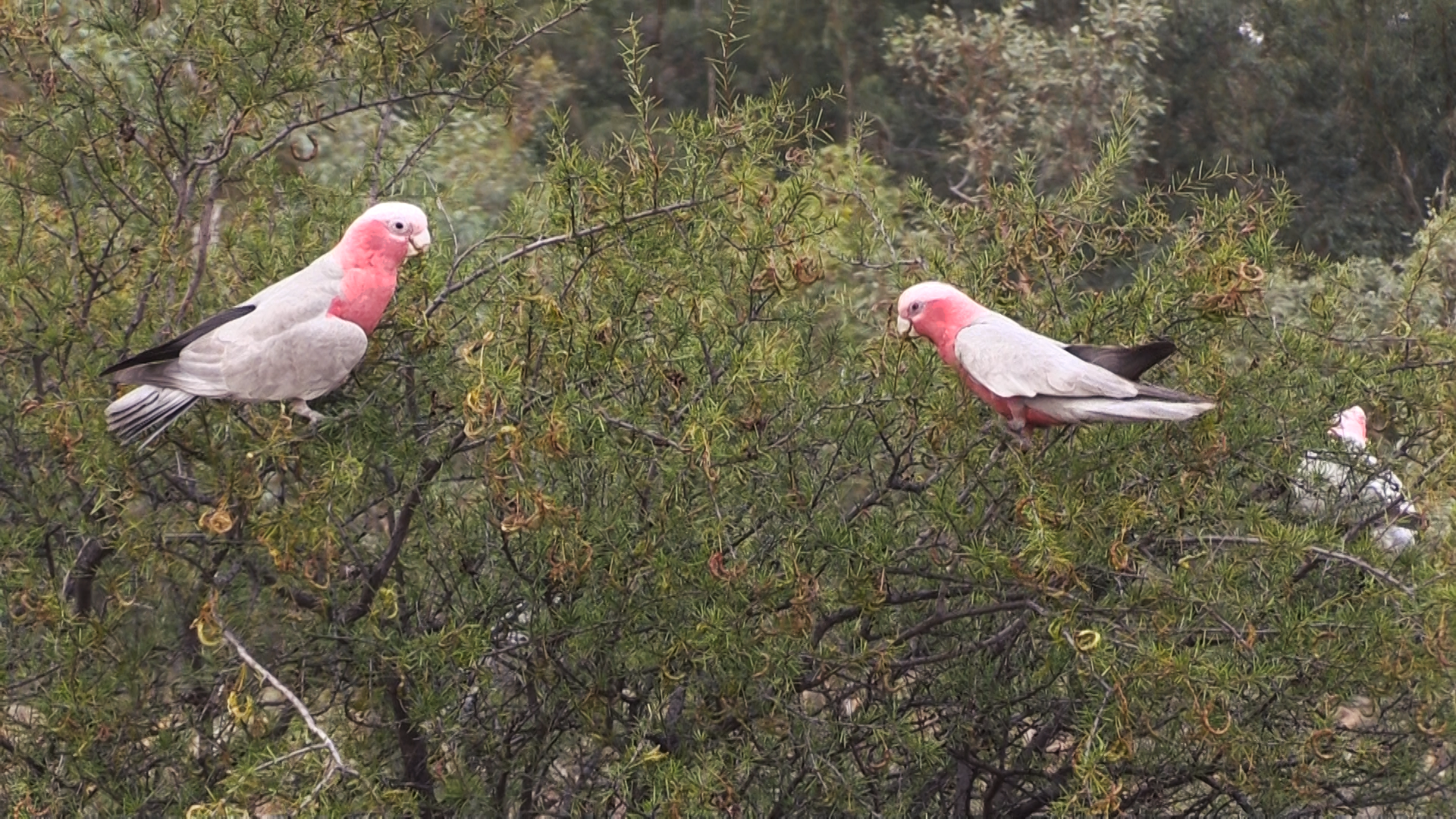
Nearby, pretty pink cockatoos known as galahs are feeding on acacia seeds. Their beaks are made of keratin, and like fingernails, they’re constantly growing and need to be worn down. Biting hard food and items is one way these birds accomplish this. However, sometimes, they will bite objects out of boredom. Huge flocks of galahs have been known to kill trees by stripping them of bark and leaves, just because they can.
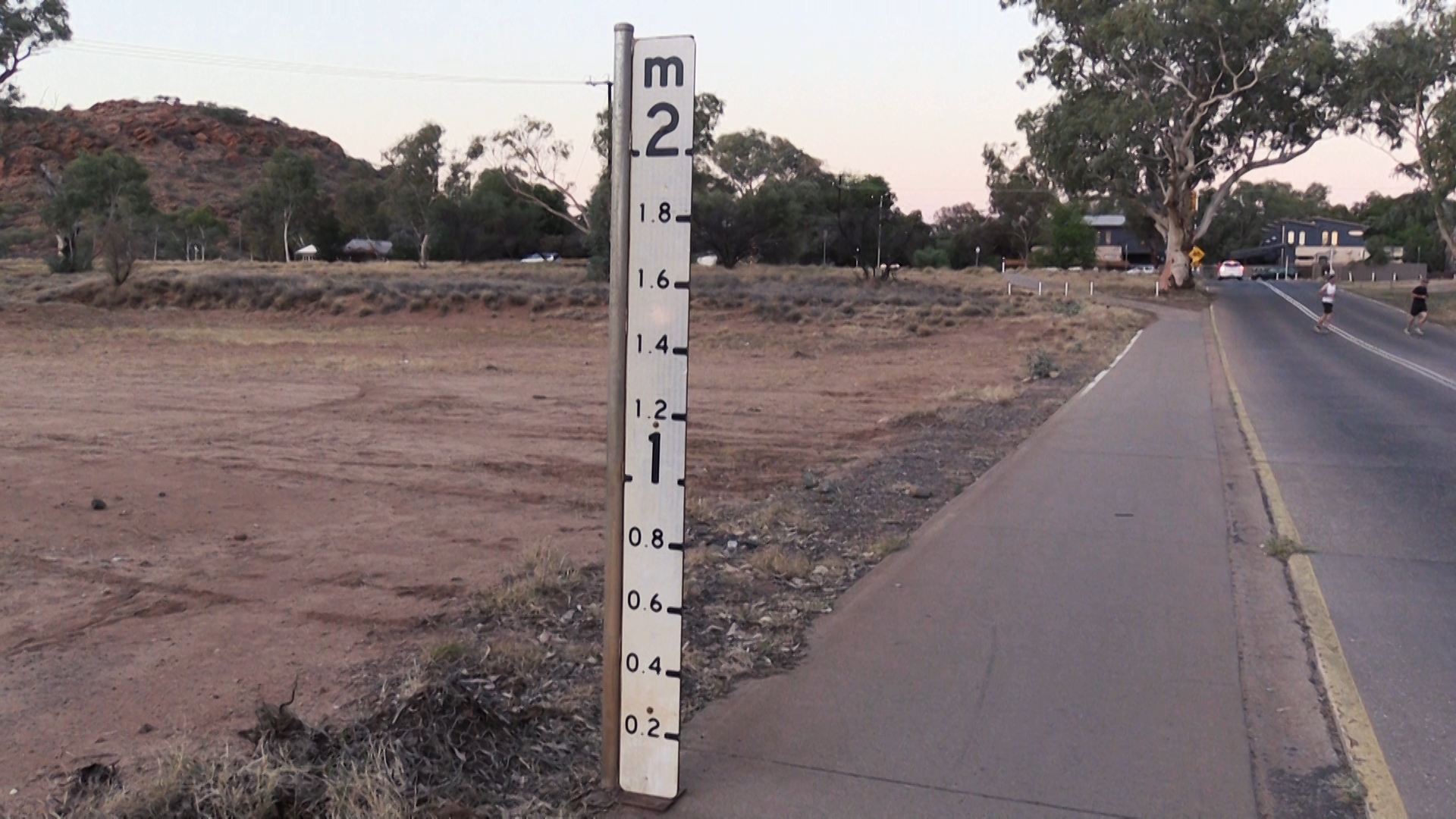
When it finally rains in the Outback, it can completely change the landscape. In the town of Alice Springs, a dry riverbed weaves through the quiet desert community. Known as the Todd River, this river is more land than river. Water only flows through here a few days a year, but when it does, it can flood the town in minutes!
Hello there! Aside from the drone footage, this is all stuff that I filmed while wandering the Outback years ago. If you liked the video, please give it a like, leave a comment down below, and subscribe to Tidewater Teddy! Thanks, and have a great day!

 Tidewater Teddy